

Significant Political Sentiment: Ruto’s Coast Tour: Title Deeds, a Refinery and the Fight for Raila’s Vote
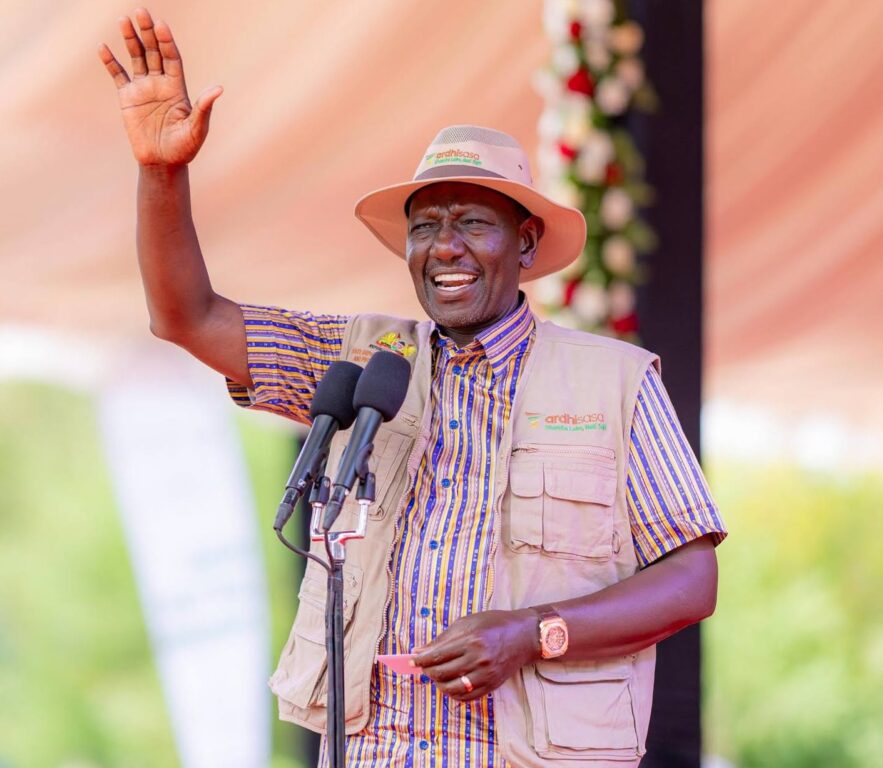
When President William Ruto began his Coast tour on 26 September, the itinerary was carefully crafted to highlight development projects and political messaging, signalling a strategic effort to reshape regional allegiances.
The eight-day tour opened in Taita-Taveta, with Kwale, Kilifi, Mombasa, Tana River and Lamu to follow, and its centrepieces are the issuance of about 200,000 title deeds and a refinery groundbreaking with the Dangote Group.
Read as politics, it is something sharper: a sustained attempt to turn the region Raila Odinga held for two decades into a Ruto stronghold.
Title deeds are the tour’s most potent instrument, addressing the longstanding squatter issue that resonates emotionally across the Coast, and the government’s plan to issue 500,000 land documents underscores its political importance.
Kwale is set to receive 94,175 titles, Kilifi 36,826 and Taita-Taveta’s Mwatate and Voi constituencies 31,31 8, while Mombasa gets just 4,360 and Lamu and Tana River together 22,770.
The heaviest allocations go to Kwale and Kilifi, counties with large rural populations and deep landlessness, which is where a title deed buys the most gratitude per shilling.
Titles are paired with a familiar basket of smaller deliverables. In Taita-Taveta, Ruto promised Sh15 billion for the county’s roads and inspected the 57km Bura–Mto Mwagodi road, which he said had stalled for nearly a decade.
In May, his earlier five-day tour featured last-mile electricity projects, market foundation stones and a stadium in Kilifi. The pattern has become consistently visible, local and quickly photographed.
A Region Visited Often
Ruto spent a week at the Coast in February 2025, promising free electricity connections and the settlement of squatters. The May 2026 tour followed, and now this one.
Three major tours in under two years suggest a deliberate strategy to prioritise the Coast, with repetition designed to set clear expectations and shape voter perceptions ahead of future elections.
Understanding that the political machinery is actively shaping the Coast’s future can inspire confidence and hope among the audience about regional progress.
Mining Cabinet Secretary Hassan Joho has emerged as Ruto’s chief campaigner in the region, and his alignment reads as positioning for the 2032 succession. Mombasa Governor Abdulswamad Nassir has urged Coast voters to back Ruto in 2027, framing it as following Raila’s tradition of coalition-making.
The unresolved bargain is the deputy presidency. Coast leaders have rallied behind Joho as their preferred candidate for the slot, while some ODM insiders argue it should go to Nyanza.
Ruto’s tour benefits from that ambiguity, because every Coast leader who hopes the slot will come their way has a reason to stand on his platform. The danger is that ambiguity cuts both ways; if the slot goes elsewhere, the Coast’s goodwill could curdle.
The Refinery: Ambition and Open Questions
The promise of the Lamu refinery creating about 60,000 jobs can foster optimism and a sense of opportunity for the Coast’s youth and economy.
But the project’s foundations are still being poured in more than one sense. The refinery is estimated to need about $15 billion to $16 billion, and Dangote is still seeking financing for major energy investments.
Experts have questioned whether the project can secure enough crude, funding and supporting infrastructure. The site has no operational oil storage terminals; concerns remain about the impact on Lamu Old Town, a World Heritage site, and the company hopes to finish by 2030.
Construction is expected to take about three years, which means the refinery will not be producing fuel before the 2027 election. Politically, then, Ruto is selling a promise, not a result.
Three things will show whether the tour works.
Seeing tangible results like title deeds reaching beneficiaries and roads being completed will build trust and reassurance in the government’s commitments.
Second, the refinery’s financing: a visible capital raise would validate the groundbreaking, while silence would feed the sceptics.
Third, ODM’s internal bargaining over the deputy presidency, which will decide whether the Coast’s elite stays aligned or fractures.