

Trade and Financial Services Round-Up
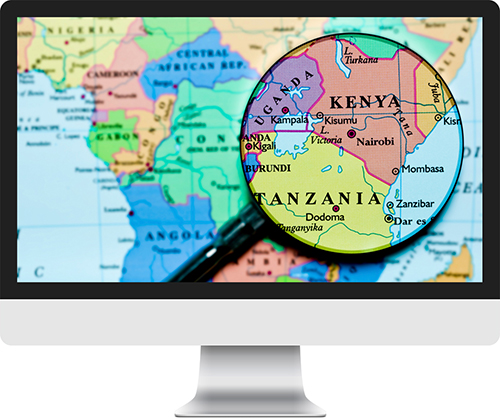
Kenya
Rising Tanker Costs Add Fresh Pressure to Kenya’s Fuel Prices
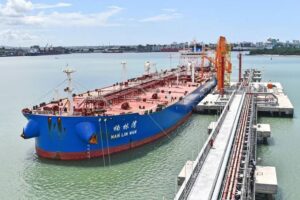 Record-high oil tanker freight rates are adding fresh pressure on fuel prices in Kenya as disruptions to global shipping routes raise the cost of importing petroleum products. Kenya relies entirely on seaborne imports for its petroleum needs, so higher freight and marine insurance costs feed directly into the landed cost used to calculate pump prices. Suezmax tanker rates have risen above $100,000 per day, compared with an average of about $38,000 in 2025, while Aframax rates have reached around $70,000 per day. These higher shipping costs coincide with longer voyages and disruptions to seaborne trade linked to the Middle East conflict, which reduce fleet efficiency.
(Source: Business Daily)
Uganda
Uganda Targets USh490 Trillion in Private Credit to Drive $500B Economy
 Uganda will need to expand private-sector credit from about USh28 trillion to USh490 trillion by 2040 to support its ambition to grow the economy to US$500 billion, according to Finance Minister Henry Musasizi. The target is part of the government’s Tenfold Growth Strategy, which prioritises agro-industrialisation, tourism, minerals including oil and gas, and science, technology and innovation. Musasizi said the required investment cannot be financed by the national budget and conventional bank lending alone, and called for larger pools of long-term “patient capital” to finance projects such as factories, hotels, mines, processing facilities and technology parks. He also urged financial institutions to reduce lending rates, which currently average 18–20 per cent, and to redirect more financing towards productive sectors.
(Source: Monitor)
Tanzania
Njombe Calls for Tighter Market Checks to Curb Counterfeit Goods
 Residents and traders in Tanzania’s Njombe Region have called for stronger market surveillance to prevent counterfeit, expired and substandard products from reaching consumers. They appealed on 19 September 2026 during an education campaign by the Tanzania Bureau of Standards (TBS) to combat substandard and expired goods. Participants urged authorities to intensify inspections at trading centres and ensure products meet required standards before being sold to the public. TBS officials also highlighted concerns about unregulated alcoholic drinks and unsuitable cosmetics, which can pose health risks. Local officials noted the need for greater public awareness of product registration and TBS certification requirements.
(Source: The Citizen)
Rwanda
China-Rwanda Economic Ties Expand Through Trade and Investment
 China-Rwanda economic cooperation continues to expand, with bilateral trade reaching US$849 million in 2025. Rwanda’s exports to China rose by 42 per cent to US$227 million, according to figures cited by Chinese Ambassador to Rwanda Gao Wenqi on 22 September 2026. China is also Rwanda’s largest source of foreign direct investment, with Chinese companies active in sectors including garments, cement, agriculture, food processing and vehicle assembly. The two countries are marking 55 years of diplomatic relations, and cooperation has also extended to infrastructure, healthcare, education, agriculture and technology. Recent developments include the completion of the Masaka Hospital expansion, continued work on the Prince House-Masaka Road, scholarships for about 150 Rwandan students to study in China this year, and specialised training for more than 300 Rwandan experts.
(Source: The New Times)
Ethiopia
Ethiopia Reports Strong Tourism Earnings as Visitor Numbers Rise
 Ethiopia recorded more than 1.6 million international tourist arrivals and over US$5 billion in tourism revenue during the 2018 Ethiopian Fiscal Year (EFY), according to figures reported by the Ethiopian government. These figures point to continued tourism growth as the country seeks to expand the sector’s contribution to the economy through international visitors, cultural and historical attractions, improved infrastructure, and business events. More recent government figures also indicate continued growth in international tourism, with Prime Minister Abiy Ahmed reporting in July 2025 that Ethiopia had recorded its highest-ever number of foreign tourist arrivals. However, the government’s later figures are not directly comparable with the 2018 EFY figures because of differences in the reporting period and measurement.
(Source: ENA)
Sudan
Sudan Seeks Foreign Mining Investment as It Tightens Gold Controls
 Sudan has reached preliminary understandings with about 70 Chinese and international companies interested in investing in its mining sector, following meetings at the China Mining Conference and Exhibition in Tianjin earlier this month. Minerals Minister Nour al-Daim Mohamed Ahmed Taha briefed Prime Minister Kamil Idris on the discussions. The government seeks to attract foreign investment, increase state revenues and reduce gold smuggling. The Prime Minister directed authorities to accelerate the regulation of artisanal mining, strengthen oversight of gold production, and allocate resources to establish the Sudan Centre for Mining and Geosciences, which will focus on training local personnel and strengthening technical capacity.
(Source: Sudan Tribune)
Somalia
Somalia’s Trade Deficit Widens to US$2.13B in Q1 2026
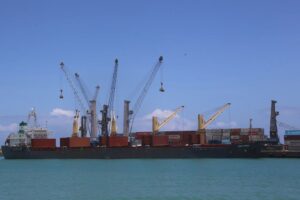 Somalia’s trade deficit widened to US$2.13 billion in the first quarter of 2026, up from US$1.84 billion in the same period of 2025, as imports continued to outpace exports. Imports rose by 16 per cent, reflecting Somalia’s continued reliance on goods sourced from abroad. At the same time, the widening trade gap highlights the imbalance between the value of goods entering the country and those exported. The latest figures, reported in September 2026, underscore the pressure on Somalia to expand domestic production and strengthen export capacity as it seeks to reduce its dependence on imported goods and improve its external trade position.
(Source: FTL Somalia)