

Economic Zones and Fiscal Sustainability: Finding the Right Balance
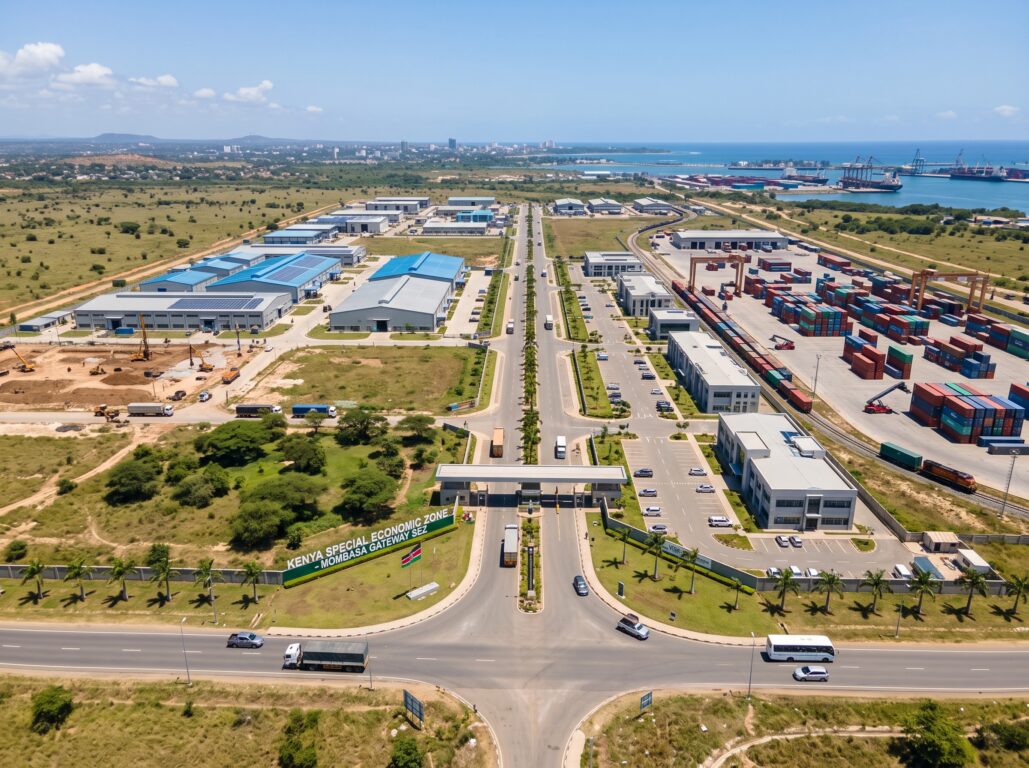
The Kenya Economic Zones Bill, 2026, represents a significant shift in Kenya’s investment policy by consolidating the country’s Special Economic Zones (SEZs), Export Processing Zones (EPZs) and other specialised investment areas under a single legal framework. The Bill seeks to position Kenya as a more competitive destination for domestic and foreign investment through an extensive package of tax, customs and regulatory incentives. At the same time, it raises an important policy question: can Kenya attract investment without weakening its domestic tax base? The answer will depend on how effectively the Bill balances investor incentives with robust revenue protection mechanisms.
Incentives Designed to Attract Investment
The Bill treats tax incentives as a strategic tool for stimulating economic growth rather than merely reducing tax obligations. Licensed developers, operators and enterprises benefit from exemptions from stamp duty, manufacturing licence requirements, county business permits and advertisement fees, as well as the Railway Development Levy on imported machinery and production inputs. Investors are also guaranteed the right to freely repatriate capital and profits, enjoy protection against nationalisation or expropriation, and operate with fewer restrictions on import and export trade.
For businesses, these provisions significantly lower the cost of establishing and operating within economic zones. Reduced compliance costs, streamlined licensing procedures, and predictable investment protections make Kenya more competitive with other regional investment destinations. For multinational firms considering where to locate manufacturing plants or regional distribution hubs, such incentives could prove decisive in investment decisions.
The Fiscal Trade-Off
While attractive to investors, tax incentives inevitably come at a fiscal cost. Every exemption granted represents revenue that the Government chooses not to collect immediately in the expectation that increased investment will generate broader economic benefits over time. The rationale is that new investments will create jobs, expand exports, encourage technology transfer and stimulate industrial growth, eventually broadening the country’s overall tax base through increased economic activity.
However, international experience demonstrates that preferential tax regimes also create risks. Companies may restructure their operations to shift profits into tax-advantaged zones while continuing to serve domestic markets. Likewise, goods benefiting from customs exemptions may be diverted into Kenya’s economy without paying the appropriate duties and taxes. If poorly managed, such practices can erode government revenue and place businesses operating outside the zones at a competitive disadvantage.
KRA’s Expanded Oversight Role
Recognising these risks, the Bill gives the Kenya Revenue Authority (KRA) a central role in protecting the country’s tax base. The Commissioner-General of KRA is a mandatory member of the Kenya Economic Zones Authority Board, ensuring that revenue administration is integrated into the governance of the zones.
In addition, the Authority must notify KRA whenever a licence is issued, detailing the authorised activities and any attached conditions. This enables KRA to monitor businesses operating within the preferential regime from the outset and strengthens coordination between investment promotion and tax administration.
Protecting the Customs Territory
A key safeguard in the Bill is the clear separation between economic zones and Kenya’s customs territory. Goods transferred from the customs territory into an economic zone are treated as exports, while goods entering the domestic market from an economic zone are deemed imports and become subject to the applicable customs duties and taxes unless they originated within Kenya.
To reinforce this distinction, developers are required to physically segregate economic zones through secure boundaries, controlled access points and facilities for customs officers. These provisions are intended to prevent tax-free goods from entering the domestic market without paying the required taxes, thereby protecting local industries from unfair competition.
Compliance and Accountability
The Bill also strengthens compliance obligations for businesses operating within economic zones. Licensed enterprises must maintain detailed books of account, inventory records and stock registers, which must be made available for inspection by the Authority or customs officers upon request. Annual compliance audits are mandatory to ensure adherence to licensing conditions and customs requirements.
Additionally, all financial transactions undertaken by zone enterprises remain subject to the Proceeds of Crime and Anti-Money Laundering Act, reducing the risk that economic zones could be used for illicit financial activities. Together, these measures reinforce transparency while safeguarding the integrity of the preferential tax regime.
Targeting High-Value Investments
The Bill further seeks to ensure that tax incentives are directed towards genuinely transformative investments. It establishes a minimum investment threshold of KSh5 billion for developers, operators and enterprises seeking licences. This requirement is intended to attract large-scale projects capable of generating employment, exports and industrial development rather than allowing smaller businesses to utilise the regime primarily for tax planning. 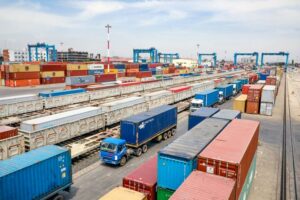
The Cabinet Secretary retains the authority to amend the investment threshold through a Gazette Notice, providing flexibility to adjust the requirement in response to changing economic conditions and investment priorities.
What the Bill Means for Businesses
For businesses, the Kenya Economic Zones Bill presents significant opportunities alongside greater regulatory responsibility. Investors stand to benefit from reduced operating costs, improved customs procedures and greater certainty over capital movement. At the same time, participation in the regime will require stricter record-keeping, enhanced customs compliance, and closer engagement with KRA than in the ordinary business environment.
Large manufacturers, logistics companies and export-oriented industries are likely to be the greatest beneficiaries, particularly those capable of meeting the Bill’s investment threshold and compliance requirements. Businesses considering investment in Kenya will therefore need to weigh the value of the available incentives against the heightened regulatory obligations that accompany them.
Conclusion
The Kenya Economic Zones Bill, 2026 seeks to achieve a careful balance between promoting investment and protecting Kenya’s fiscal interests. Its generous package of tax exemptions and investor protections has the potential to make Kenya a more attractive destination for high-value investment. Equally, its customs controls, KRA oversight, compliance requirements and investment thresholds demonstrate a clear recognition that tax incentives must not come at the expense of the country’s revenue base.
Ultimately, the Bill’s success will depend not on the generosity of the incentives it offers, but on the effectiveness of its implementation. If the Kenya Economic Zones Authority and KRA can enforce the framework efficiently and consistently, the legislation could stimulate industrial growth while preserving fiscal sustainability. If oversight proves weak, however, Kenya risks creating preferential regimes that deliver tax concessions without generating the long-term economic benefits they are intended to achieve.