

Beyond the Pump: When the Dangote Refinery Gets Up and Running
When the proposed US$16 billion Dangote East African Refinery broke ground in Lamu on September 30, 2026, the headline figure was its capacity: 700,000 barrels of crude oil per day. But what does that mean for an everyday Kenyan buying fuel, a manufacturer paying electricity bills, or a farmer transporting produce to market? The answer extends beyond petrol prices. The proposed refinery could change how Kenya sources petroleum products, retains foreign exchange, generates electricity, and develops industries. Its significance lies not simply in producing fuel locally, but in building an industrial hub that links energy supply to the wider economy. These benefits, however, depend on successful construction, commercially competitive operations, and effective regulation.
From Fuel Importers to Fuel Producers
Since the Mombasa refinery closed in 2013, Kenya has relied on imported refined petroleum products. This means the country purchases petrol, diesel, aviation fuel and other products processed elsewhere, leaving its supply chain exposed to international prices, shipping costs, disruptions and foreign-exchange pressures. A refinery in Lamu would offer an alternative: import crude oil, process it locally, and distribute the resulting products to Kenya and neighbouring markets. The crude could come from Kenyan, regional and international sources.
At full capacity, the facility is expected to process 700,000 barrels per day. That is an enormous industrial operation, intended to supply a regional market rather than Kenya alone. The scale could yield economies of scale, potentially lowering production costs per litre and improving the reliability of regional supplies. For motorists, however, a local refinery would not automatically mean cheaper petrol at the pump. International crude prices, exchange rates, taxes, transport, distribution margins and refinery operating costs would continue to influence prices. The real advantage is the potential to reduce some import-related costs and supply vulnerabilities, not to eliminate exposure to the global oil market.
The Money Stays at Home
The foreign exchange benefit could be as important as the fuel itself. Kenya spent KSh511.5 billion on petroleum product imports in 2025, making petroleum the country’s largest import category by value. A refinery would not eliminate these costs, as Kenya would still need to purchase crude oil, much of it from abroad. However, it could replace finished-product imports with crude imports, retain more value through domestic processing and potentially earn foreign exchange by exporting surplus fuel to neighbouring countries. For the shilling, the potential advantage is reduced foreign-currency pressure if the refinery displaces enough finished-product imports. Actual savings would depend on crude prices, refining costs, export earnings, and the share of domestic demand the facility serves.
500MW of Electricity into the National Grid
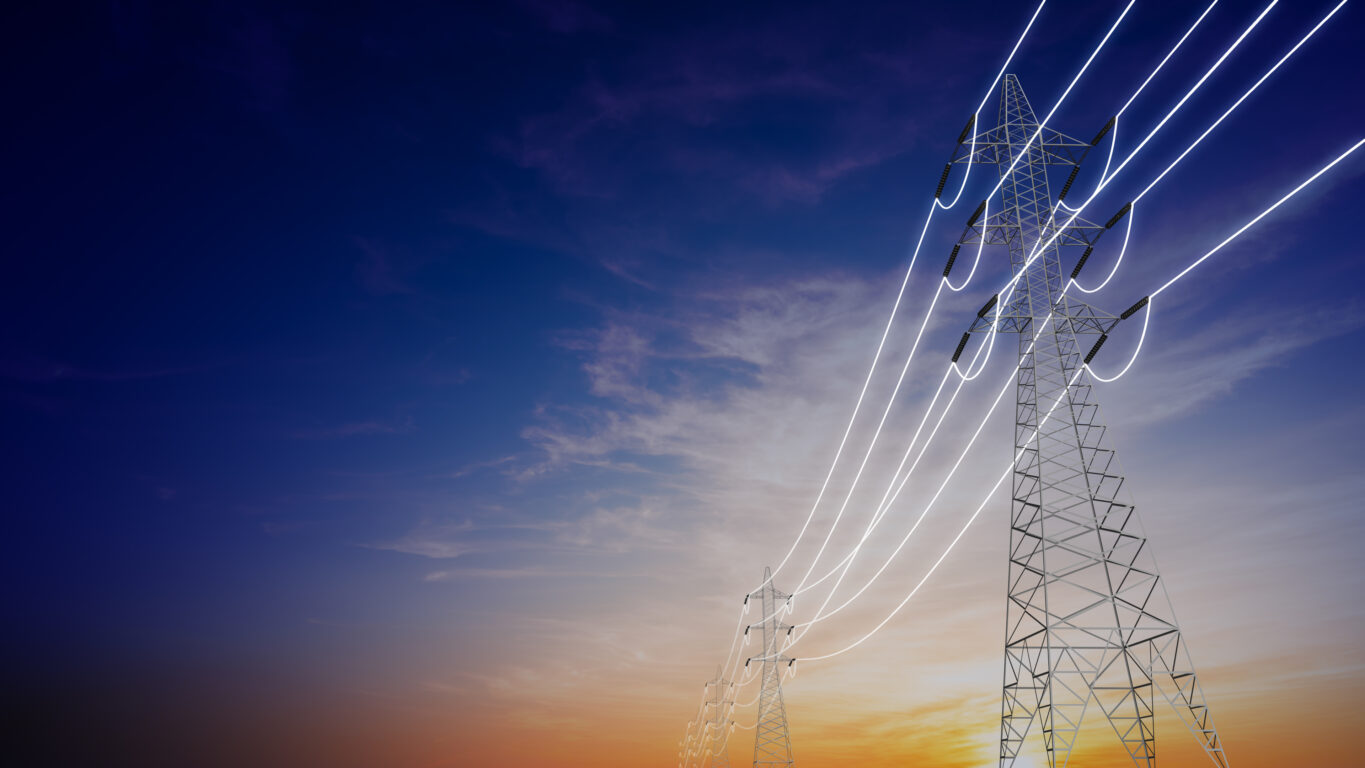
The refinery is planned to include a 1,000-megawatt power plant, with approximately 500MW intended for Kenya’s electricity grid. To put that into perspective, Kenya’s peak electricity demand reached approximately 2,514MW in June 2026. The proposed 500MW contribution would therefore represent about one-fifth of the country’s peak demand. That is a substantial addition. It could provide electricity for homes, businesses and factories, while supporting industrial growth as demand rises. More available generation could also improve supply resilience, particularly if delivered when the grid needs it. However, 500MW measures power capacity, not a guarantee of continuous electricity. The actual contribution would depend on plant availability, fuel costs, grid connections and contractual arrangements. Additional generation would not automatically lower electricity bills: tariffs also reflect transmission, distribution, financing, and other system costs.
Beyond Petrol: Jobs and New Industries
The refinery’s wider significance lies in the manufacturing activity it can support. Processing crude yields fuels, but an integrated industrial complex can also produce petrochemical feedstocks and materials for plastics, packaging, textiles, construction products and other manufactured goods. The project is expected to incorporate chemical and fertiliser-related industries. This could create opportunities for Kenyan manufacturers to source industrial inputs closer to home, reducing transport costs and dependence on imports. Local businesses could also supply construction materials, equipment, food, logistics, maintenance, and professional services.
Employment would extend beyond refinery operators and engineers to include contractors, technicians, transporters, and suppliers. Yet these opportunities will not materialise automatically. Skills development, local procurement and partnerships with Kenyan businesses will determine how much of the investment translates into lasting domestic employment.
Lamu’s deep-water port gives the project the potential to serve markets beyond Kenya, strengthening the country’s position as a regional petroleum distribution and industrial hub. Exporting refined products could generate revenue, deepen regional trade and support infrastructure along the wider LAPSSET corridor. However, the scale also raises important questions. Land disputes, compensation for affected residents and environmental concerns must be addressed, while the refinery’s carbon emissions and coastal impacts require serious scrutiny.
Conclusion
The Dangote refinery’s greatest promise is not simply cheaper fuel. It is the potential to link petroleum processing to foreign exchange savings, electricity generation, manufacturing, jobs and regional exports. For ordinary Kenyans, these benefits will matter only if they translate into measurable improvements in prices, reliability and livelihoods – the groundbreaking marks the beginning of that possibility, not its fulfilment. The real test will be whether the refinery operates competitively, shares its economic benefits widely, and meets the environmental and social responsibilities that come with an investment of this magnitude.