

Every Bottle Counts: Small Actions, Big Impact Through Glass Recycling
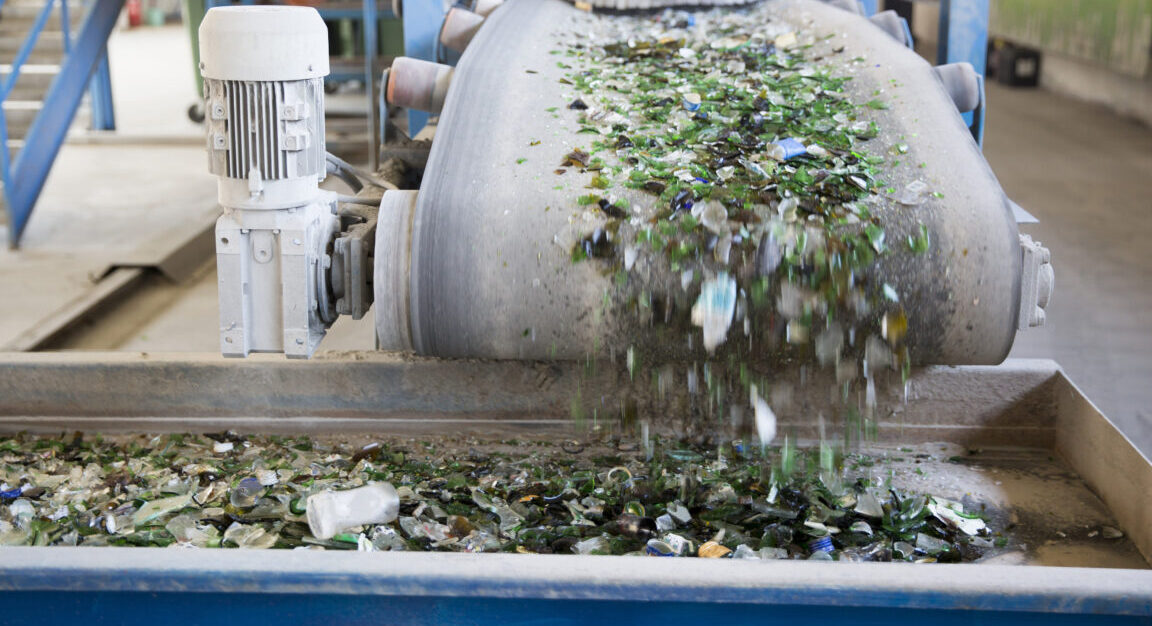
Recycling one glass bottle saves enough energy to power a light bulb for about four hours. This simple fact shows how small everyday actions can have a meaningful impact on the environment. Although glass is easily breakable, it has one remarkable quality – it can be recycled endlessly without losing its quality or purity. This makes glass one of the most sustainable materials and an important part of the circular economy.
In the workplace, sustainability is increasingly integral to everyday business. Offices generate waste from bottled beverages, food containers, and other packaging, much of which is recyclable. Unfortunately, glass bottles often end up in general waste bins rather than recycling bins. By providing clearly labelled recycling stations and encouraging proper waste segregation, organisations can reduce landfill waste and conserve valuable resources.
Recycling glass also supports an organisation’s environmental goals. Producing new glass from raw materials requires large amounts of energy and natural resources, such as sand, limestone, and soda ash. By contrast, recycled glass melts at lower temperatures, reducing energy consumption and greenhouse gas emissions. Every recycled bottle helps reduce demand for virgin materials while keeping valuable resources in circulation.
Workplace recycling programmes also foster a culture of environmental responsibility. When employees recycle regularly, sustainability becomes part of daily habits rather than a one-off initiative. Even broken glass should not be treated as waste – it can be recycled into new bottles and jars without any loss of quality.
The benefits extend beyond the office. At home, families can separate glass bottles and jars from other waste and take them to designated recycling points. This simple habit reduces the amount of waste sent to landfill sites while conserving energy and natural resources. It also provides an opportunity to teach children that, even though glass breaks easily, it can be transformed into new products again and again.
When communities embrace recycling, the impact is even greater. Recycling reduces landfill waste, supports the recycling industry, and helps create cleaner neighbourhoods. Every recycled bottle becomes the raw material for another high-quality glass product, demonstrating that waste can become a valuable resource.
Imagine an office where every employee recycles just one glass bottle each week. Over a year, thousands of bottles would be diverted from landfills, saving energy and reducing carbon emissions. Similar actions in homes, schools, and public spaces further multiply these benefits.
Sustainability begins with small, consistent choices. Recycling a single glass bottle may seem insignificant, but collectively these actions conserve natural resources, reduce energy use, and create a cleaner environment. Whether at work or at home, choosing to recycle glass is a simple step towards a more sustainable future for everyone.
Your bottle has been through enough. Give it a fresh start in the recycling bin.