

Preparing for El Niño: Protecting Your Home, Health and Finances
There is something comforting about a rainy day – listening to the rain, staying indoors and perhaps sleeping a little longer. But that comfort can quickly turn into concern when heavy rains flood homes, make roads impassable, displace families and, in the worst cases, claim lives.
This is the harsh reality El Niño can bring, especially for communities in vulnerable, flood-prone areas. While we cannot control the rain, we can prepare for its impact by getting our finances in order, preparing our homes and looking out for those most at risk.
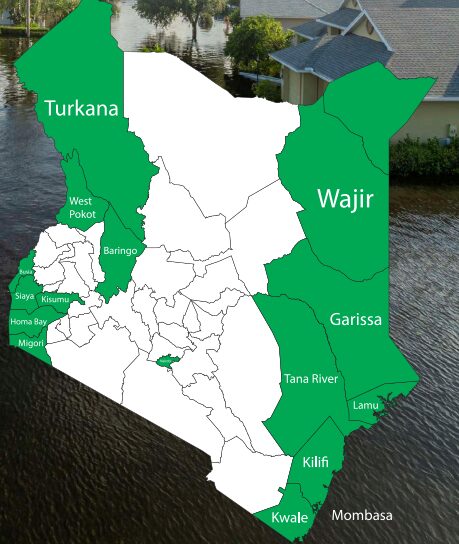
The Government has identified several counties and urban areas requiring heightened preparedness. These include Tana River, Kilifi, Lamu, Mombasa, and Kwale; Busia, Siaya, Homa Bay, and Migori; Turkana, Baringo, West Pokot, and Narok; and Garissa, Wajir, and Mandera. Nairobi, Mombasa and Kisumu have also been identified as high-risk urban centres.
Risks will vary by location. Some areas may face flooding and displacement, while others could experience disruption to transport, essential services, water supplies and livelihoods. Understanding the risks in your area is an important first step.
Here are practical ways to prepare:
Strengthen your Emergency Fund
Heavy rains can bring unexpected expenses, from home repairs and disrupted transport to temporary accommodation. If you do not have an emergency fund, start with what you can afford. Small, consistent contributions can build a useful safety net. If you already have one, consider whether it can cover additional weather-related costs.
Keep Essential Supplies at Home
Flooding and damaged roads can disrupt access to shops and markets. Where your budget and storage space allow, keep a modest reserve of non-perishable foods such as cereals, rice, flour and canned foods. You don’t need to overstock; a small reserve can provide a useful buffer.
Prepare for Colder Weather
Prolonged rain can bring colder conditions. Check that you have warm sweaters, jackets, pyjamas, socks, blankets and suitable shoes. If you have children, check whether they have outgrown their warm clothing.
Know your Flood Risk
Find out whether your neighbourhood has flooded before and whether your home is near a river, stream, drainage channel or low-lying area. Speak to long-term residents and monitor local weather and government advisories.
Consider alternative routes to work, school and other essential destinations. If you live in a particularly vulnerable area, identify a safe place to go if you need to evacuate.
Protect Documents and Valuables
Keep identification papers, certificates, insurance records and financial documents in waterproof folders or sealed bags. Where possible, maintain secure digital copies. Move electronics, appliances and valuables away from floors or areas where floodwater could reach them.
Prepare an Emergency Kit
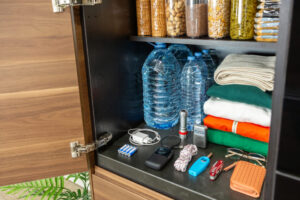
Keep essentials such as drinking water, a torch, extra batteries, a power bank, basic first-aid supplies, hygiene products, essential medication, warm clothes and ready-to-eat food in an accessible place. Households with young children, elderly members or people who require regular medication may need additional supplies.
Have an Emergency Plan
Discuss with your household what you would do if flooding made your home unsafe. Know where you would go, how you would get there and who you would contact. Keep important phone numbers on your phone and in an accessible place.
Stay Informed and Look out For Others
Follow updates from the Kenya Meteorological Department, county authorities and credible emergency-response agencies. Pay attention to warnings about heavy rainfall, flooding and dangerous travel conditions. Avoid relying solely on unverified social media posts when making safety decisions.
Preparedness should extend beyond your household. A little preparation can go a long way. Stay informed, stay prepared and look out for one another.
Check on relatives, friends and neighbours living in flood-prone areas. A phone call, help moving belongings to a safer place or sharing an official warning could make a meaningful difference.
During severe weather, follow guidance from the relevant authorities and move to a safer location when necessary. If you or someone you know needs emergency assistance, contact the Kenya Red Cross Society on +254 703 037 000 or toll-free 1199.