

Sustainability in Today’s Economy: Can Anyone Afford It?
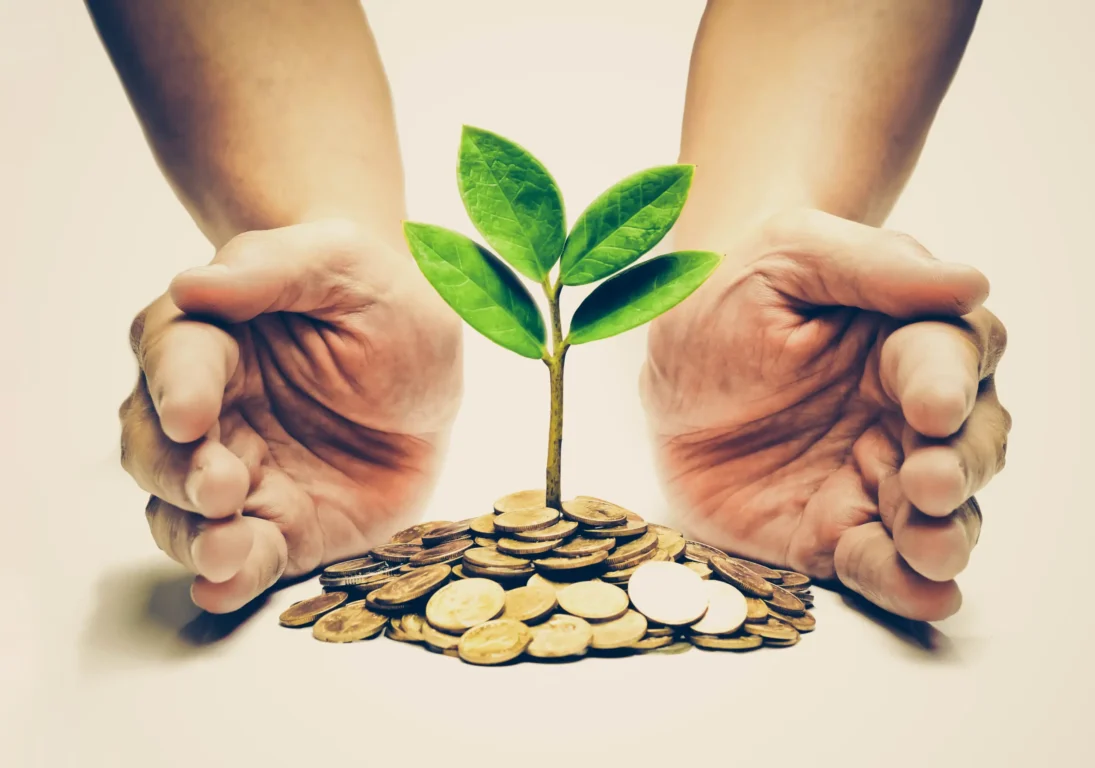
In the current economy, most people are trying to save every coin they can. But with the prices of essential commodities continuing to rise, can you afford to live a sustainable lifestyle?
Sustainability has many definitions, but at its core, it is about considering long-term impacts rather than short-term gains. It also refers to using current resources responsibly without depleting them for future generations. In our personal lives, sustainability means choosing products and services that have a positive environmental and social impact.
Take a simple example: many of us forget that we already have reusable shopping bags at home and end up buying new ones every time we shop. Reusing existing bags helps reduce waste and saves money. So, before you leave the house today, consider packing a shopping bag in that cute handbag or backpack to avoid spending extra on one.
A lot goes into producing a product or service before it reaches you. From sourcing raw materials to paying workers and transporting goods, there is an entire value chain behind every purchase. Sustainable products and services ideally minimise waste, ensure fair wages for workers, and remain profitable. However, market realities often make sustainable options more expensive and less accessible to consumers.
Still, living sustainably does not have to be costly. Here are a few practical and affordable ways to make a difference:
Buy Local
Consider shopping at your local market and supporting your neighbourhood mama mboga. Not only are local markets often more affordable, but they also offer fresh produce that supports a healthier lifestyle. You can often buy groceries at a fraction of supermarket prices while supporting local livelihoods.
Buying locally also helps reduce food waste because local supply chains involve less transportation, packaging, and spoilage.
Use AI Responsibly
While artificial intelligence (AI) offers many benefits, it is worth being mindful of when and how we use it. AI systems require large data centres, which consume significant amounts of energy and water for cooling. As concerns about water scarcity and environmental degradation continue to grow, responsible use of technology should be part of broader sustainability conversations.
Save Energy at Home
Turn off lights when they are not in use and unplug appliances or chargers when they are not needed. These small actions help reduce electricity consumption and lower your monthly utility bills.
The region has made significant progress in renewable energy generation, with a large share of its electricity coming from renewable sources. Nevertheless, using energy efficiently remains an important part of sustainable living.
Declutter Your Closet
Decluttering helps you organise your wardrobe and make better use of the clothes you already own. It may be time to let go of those jeans you bought in 2018 that no longer fit but still occupy valuable space.
Many organisations collect used clothing for reuse, resale, or donation, giving these items a second life instead of sending them to landfills.
Buy Clothes Intentionally
Avoid purchasing clothes you do not need. Fast fashion contributes significantly to textile waste, and many items are discarded after only a few wears.
Instead, embrace functional fashion by investing in versatile, high-quality pieces that can be styled in different ways and worn for years. These are the kinds of clothes that can even be passed down to future generations.
Meal Prep and Reduce Food Waste
Meal planning and preparation help you make better use of the groceries you buy and reduce food waste. Preparing meals in bulk can also save money and time while encouraging healthier eating habits.
The key is to prepare foods you genuinely enjoy so that nothing goes to waste.
Conclusion
Sustainability does not have to be complicated or expensive. Small, intentional actions can create meaningful positive change over time. By making mindful choices in our daily lives, we can contribute to a healthier environment, support our communities, and live more sustainably without compromising our values or our budgets.