

Beyond Entertainment: The Creative Economy’s Role in Building a Sustainable Future
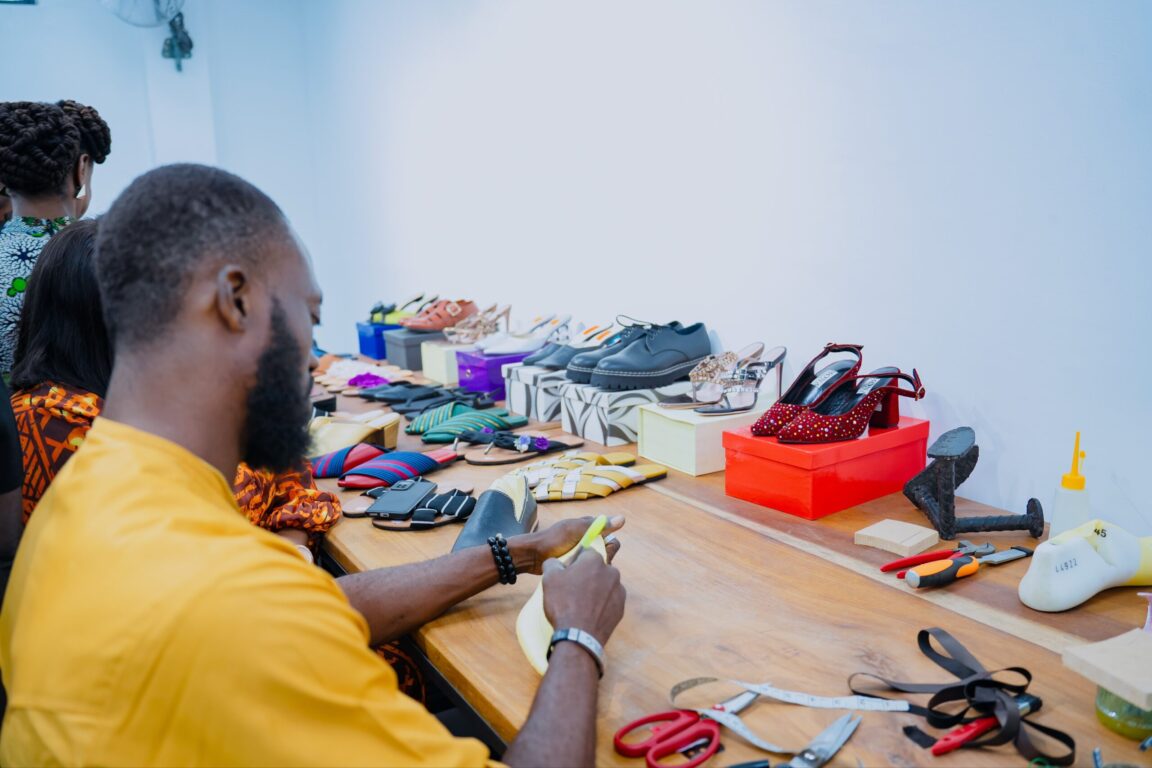
Behind your favourite song on Spotify, the digital advert that interrupted your doomscrolling and every piece of art you admire is a creative mind. Every catchy jingle you find yourself singing, every fashion collection that tells a story, and every social media campaign that changes the way you think began with someone using creativity to communicate an idea, a product, or a service.
Creativity is more than entertainment. It shapes how we think, what we value, and ultimately how we behave. It has the power to turn complex concepts into stories people can understand, relate to and act on.
Think about the catchy song that reminds you to save money. The short video explaining why waste should be sorted into colour-coded bins. The TV advert showing how access to financing can help turn a dream into reality. Or the campaign encouraging you to conserve water or support local businesses. These messages stay with us not because they are presented as facts, but because they are told through relatable stories that inform, inspire and influence the choices we make every day.
That is the power of the creative economy.
The creative economy spans music, fashion, film, photography, design, visual arts, gaming, digital content, and many other forms of expression. While these industries are often associated with entertainment, they are also powerful drivers of sustainable development. They create jobs, preserve culture, inspire innovation, and influence positive social change.
Today, brands increasingly partner with creatives because they understand that people connect with stories more than statistics. Through music, film, design and digital storytelling, creatives help brands to communicate ideas in ways that are memorable, authentic and relatable. Whether promoting financial literacy, environmental conservation or healthy lifestyles, creativity transforms information into action.
Yet despite the value they create, many artists struggle to build sustainable careers.
For many creatives, talent is only the beginning. Building a career requires business knowledge, financial literacy, access to capital, mentorship, intellectual property protection and consistency. Without these, many struggle to monetise their work, limiting not only their own potential but also the growth of the creative economy.
This is why investing in creatives is not simply about supporting artists. It is about investing in entrepreneurs, small businesses and future employers. Every successful musician, filmmaker, fashion designer or content creator creates opportunities for photographers, videographers, stylists, sound engineers, event organisers, marketers and countless others across the value chain.
The impact extends far beyond the stage or runway. The creative economy empowers young people to earn a living from their talent, creates opportunities for women-owned businesses, preserves cultural heritage and fuels innovation. It strengthens local economies while giving communities a platform to tell their own stories.
We are already seeing this across Africa. Events such as Lagos Fashion Week have demonstrated how fashion can promote local manufacturing, showcase sustainable design, celebrate African craftsmanship and create employment across the textile and creative industries. Similar opportunities continue to emerge across music, film and digital content as African creatives gain global recognition.
As the creative economy continues to evolve, so too must the support systems around it. Creatives need access to financing, mentorship, business training and networks that enable them to build sustainable careers. When we invest in creative talent, we are not only supporting individual dreams, but we are also strengthening industries, creating jobs and building more inclusive economies.
The future of sustainability is not only about protecting the environment. It is also about creating economies where people can thrive, cultures are preserved, innovation is encouraged, and opportunities are accessible. The creative economy sits at the heart of that future, proving that behind every great story is the power to inspire change.