

When Silence Speaks: Media Blackouts and Elections
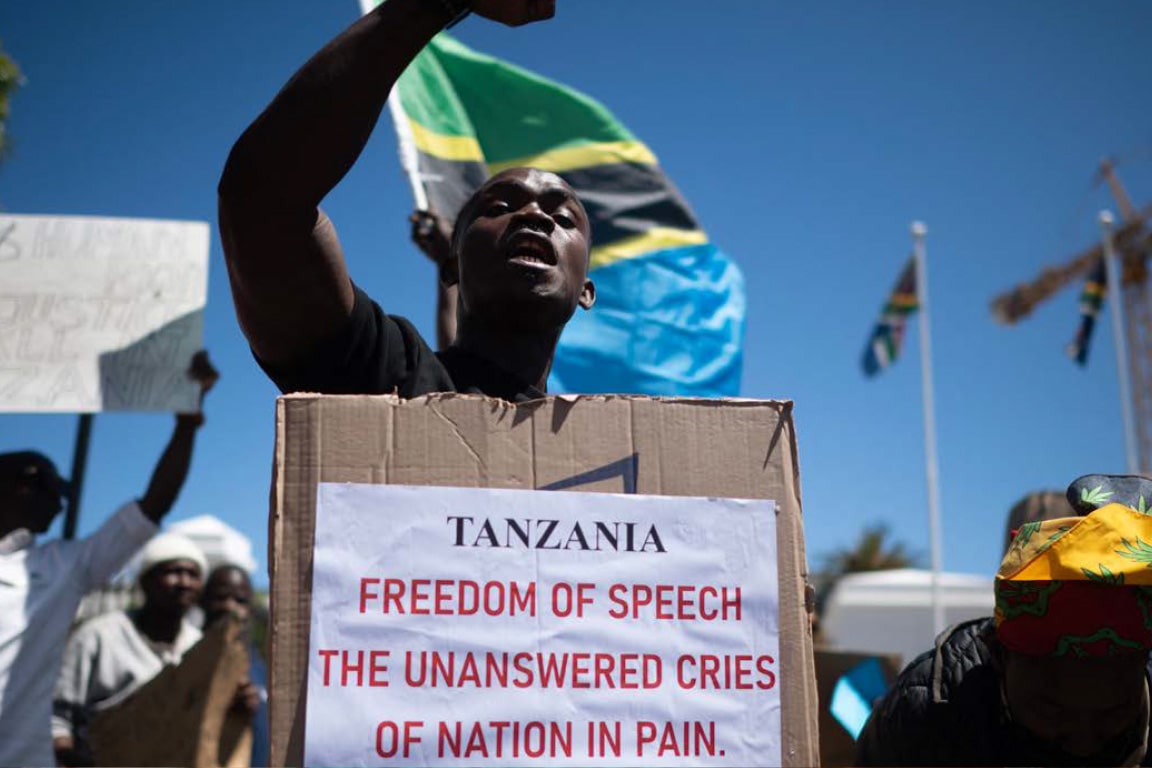
Last week, during the general elections, Tanzania went dark. There was a nationwide internet blackout, a power outage, and foreign media correspondents and international election observers were also prevented from entering the country.
Tallies now estimate the electoral vote count at around 30 million, more than double what President Samia Suluhu’s predecessor, John Magufuli, barely secured – about 12 million.
Following violent protests, security forces opened fire with lethal intent, and hundreds have been reported dead or missing. According to data from NetBlocks, internet shutdowns and the ongoing ban on X (formerly Twitter) have cost the economy more than KSh30 billion (TSh561 billion) in lost productivity, trade disruptions, and communication blackouts.
Estimates of the death toll remain uncertain. Human Rights Watch estimates the figure at around 150, while other sources suggest that as many as 1,500 to 3,000 people may have been killed. Online, Tanzanians have shared harrowing accounts of being unable to find the bodies of their relatives for burial, even after searching hospitals. It is alleged that some hospitals were withholding the bodies.
Following these events, Tanzanian media has come under heavy scrutiny for its silence and limited coverage of the developing crisis.
Meanwhile, the African Union Election Observation Mission stated that the election failed to meet key democratic thresholds, citing widespread ballot stuffing and procedural irregularities. The statement is ironic, given that the African Union Chairperson, Mahmoud Ali Youssouf, nonetheless issued a public message congratulating President Samia Suluhu on her victory, a move many observers saw as deeply contradictory to their conclusion.
AU post by the election observation mission Source: X.com
It took Tanzanians outside the country to courageously report on the ongoing election, as the Tanzanian media were gagged or unprepared for it. Activists like Mange Kimambi and Kenyan-based Maria Sarungi Tsehai shared updates as the events unfolded.
The Tanzanian government now wants US-based Kimambi, whose x.com profile is filled with images of the election violence meted out on Tanzanians, extradited to Tanzania.
Additionally, Kenyans have also been accused of causing the chaos in the country and are now being targeted. Supporting Tanzanian efforts, Kenyan bloggers like Cyprian Nyakundi, who collaborated closely with Kimambi and other activists, reported on the ongoing events. Kenyan CNN journalist Larry Madowo also urged Tanzanians to share images of the violence with him for broader distribution. This is one of the reasons why the violence has been attributed to Kenyans, and they are now facing targeting within the country.
President Samia Suluhu’s electoral win appears to have occurred amid corruption and violence. However, it remains uncertain how long such a victory can endure.