

Trade and Financial Service Round Up: Issue No. 28 of 2026

Kenya
Kenya Drops US Firm, Plans Four-Lane Nairobi–Mombasa Road
The government has abandoned plans for a new 419-kilometre Nairobi–Mombasa expressway proposed by US investor Everstrong Capital and instead opted to expand the existing 461-kilometre A8 highway into a minimum four-lane, access-controlled toll road under a Public-Private Partnership (PPP). The redesigned project aims to reduce costs, minimise land acquisition and preserve local connectivity by upgrading the current transport corridor rather than constructing a new alignment. Procurement is underway for a transaction adviser to determine the project’s technical, financial and commercial structure before a private investor is selected. The shift follows the rejection of Everstrong’s proposal over concerns about its financial viability, technical capacity and reliance on extensive land acquisition, which officials warned would have resulted in higher toll charges and project delays.
(Business Daily)
Uganda
 New Telecom Taxes Renew Debate Over Whether Uganda Is Taxing Financial Inclusion
Uganda is reconsidering its mobile money taxation amid growing concerns that a layered tax regime is making digital financial services increasingly expensive and undermining financial inclusion. The debate follows the introduction of a 10 per cent withholding tax on telecom agents’ commissions, adding to existing levies on mobile money withdrawals, telecom service fees, internet data, airtime and VAT. Civil society groups and the Uganda Communications Commission (UCC) argue that the cumulative tax burden is discouraging the use of digital financial services, particularly among low-income and rural populations, while increasing the cost of internet access and smartphone ownership. Parliament is now considering reforms that could reduce taxes on mobile money and digital services, with proponents arguing that a more affordable tax regime would accelerate digital inclusion and support Uganda’s broader economic growth objectives.
(The Independent)
Tanzania
 Kigoma Gears Up for Regional Trade Boom
Tanzania is positioning Kigoma as a strategic trade and logistics gateway to Central Africa by constructing the 506-kilometre Tabora–Kigoma Standard Gauge Railway (SGR) and launching four 2,000-tonne cargo vessels on Lake Tanganyika. The integrated rail and lake transport corridor will link the Port of Dar es Salaam to markets in eastern Democratic Republic of the Congo (DRC), Burundi and Rwanda, reducing transport costs, improving market access and strengthening regional trade. Analysts say the infrastructure will attract investment in logistics, manufacturing, and warehousing, support agriculture, fisheries, and tourism, create jobs, and enhance Kigoma’s potential to evolve into a Special Economic Zone and a key commercial hub for East and Central Africa.
(Daily News)
Rwanda
 Kayonza: Liquid Nitrogen Plant 80% Complete
Construction of Rwanda’s third liquid nitrogen production plant in Kayonza has reached 80 per cent completion. It is on track to be commissioned by December 2026, marking a significant step toward strengthening the country’s livestock value chain. The facility will improve access to liquid nitrogen for artificial insemination services, enhancing cattle breeding, increasing productivity and reducing dependence on imported supplies. The project is expected to support Rwanda’s broader agricultural transformation agenda by expanding livestock genetics, improving food security and increasing farmers’ incomes through more efficient and reliable breeding services.
(The New Times
Ethiopia
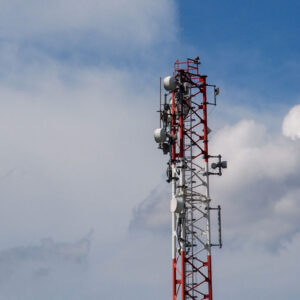 Ethio Telecom Generates Br 215.8B in Revenue During Just-Ended Fiscal Year
Ethio Telecom posted 215.8 billion Birr in revenue during the 2025/26 fiscal year, a 33.2 per cent increase from the previous year, driven by continued network expansion and strong growth in digital financial services. The operator expanded its 4G and 5G coverage, increased network capacity, invested Br 76 billion in infrastructure and grew its customer base to 90.1 million. Its mobile money platform, telebirr, reached 60.59 million users and processed Br 4.19 trillion in transactions during the fiscal year, underscoring its growing role in Ethiopia’s digital economy. Ethio Telecom also advanced the country’s digital transformation through investments in renewable energy, enterprise connectivity, and support for the national Digital ID programme, reinforcing Ethiopia’s ambition to become a regional digital hub.
(ENA)
Sudan
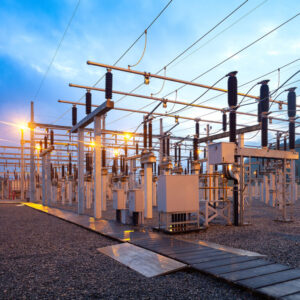 Sudan Receives New Power Barge in Port Sudan to Ease Severe Blackouts
Sudan has moved to strengthen its electricity supply with the arrival of a 100-megawatt power generation barge at Port Sudan, alongside plans for a 50-megawatt land-based power plant, as the country grapples with prolonged power outages of up to 18 hours a day in some areas. The project, financed in partnership with Afreximbank, is expected to boost national grid capacity, lower electricity generation costs and improve supply stability. Authorities attributed the ongoing power crisis to increased demand, the suspension of electricity imports from Ethiopia, maintenance at key power plants, fuel and spare parts shortages, and damage to energy infrastructure caused by conflict and sabotage.
(Sudan Tribune)
Somalia
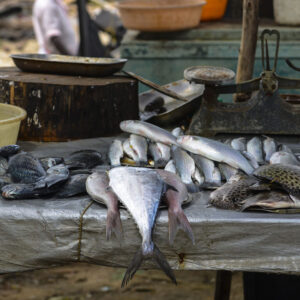 Women Transform Mogadishu’s Fish Market
Women in Somalia are increasingly establishing themselves in the traditionally male-dominated fisheries sector through the Kaahiye Women’s Fisheries Cooperative, a group of more than 150 members operating at Mogadishu’s Hamar Weyne Fish Market. By providing training, employment opportunities and peer support, the cooperative has enabled women, particularly single mothers and divorced women, to earn sustainable incomes, achieve greater financial independence and support their families. Despite persistent cultural barriers and resistance from some male traders, the initiative is helping to reshape perceptions of women’s role in the fisheries value chain while promoting inclusive economic participation and livelihoods.
(SONNA)