

The COP31 Collapse: What It Means for Africa’s Road to COP32 in Addis Ababa
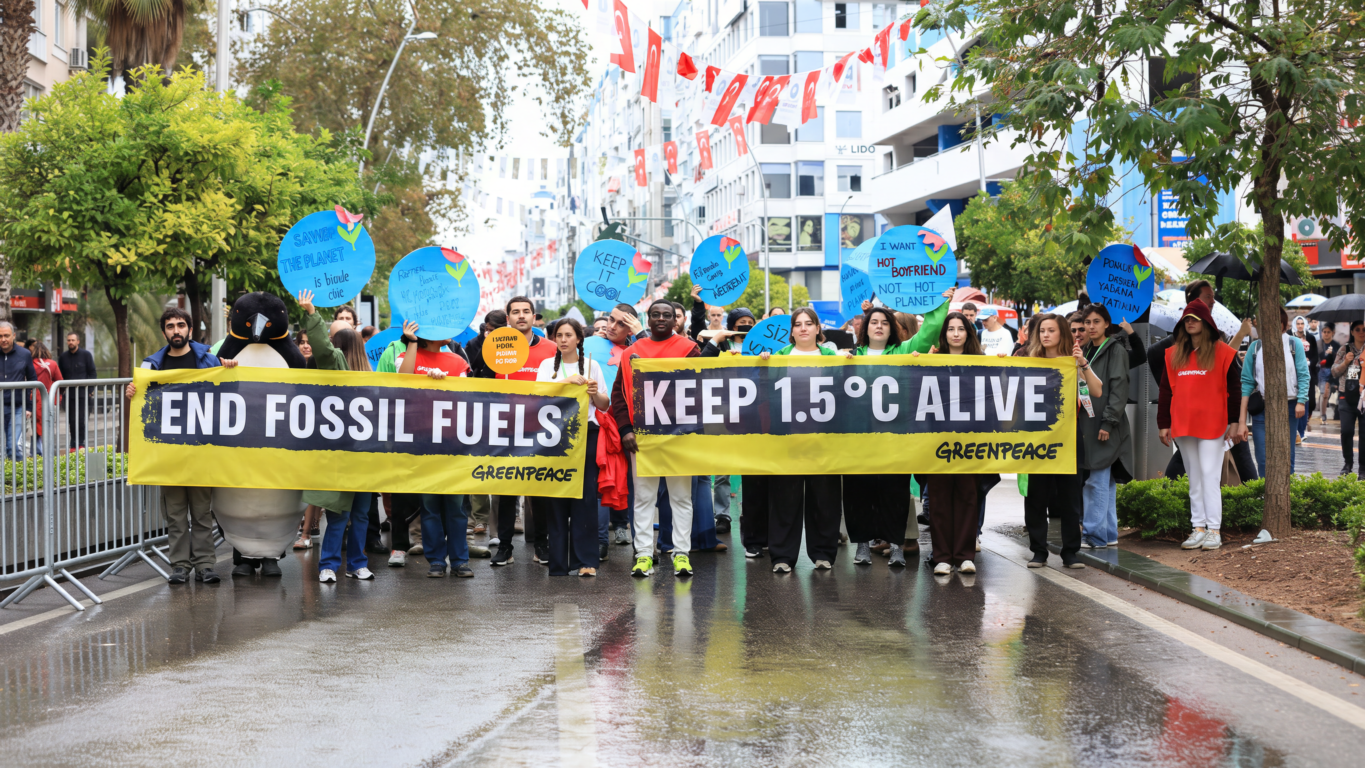
The United Nations climate summit in Türkiye ended without a deal for the first time since Copenhagen in 2009. Africa arrived in Antalya seeking predictable climate finance but left with little more than promises of further reports. With COP32 heading to Addis Ababa, the continent has 12 months to turn frustration into a strategy.
After two weeks of negotiations and more than 50 hours of overtime, COP31 ended on 22 November without its headline agreement. The proposed ‘Antalya Pact’, prepared by the Turkish-Australian presidency, was rejected at the closing plenary, making it the longest COP on record and the first to collapse since 2009.
Much of the attention focused on fossil fuels, but for Africa, the bigger setback was financial. The summit failed to establish a baseline for tripling adaptation finance, secure additional funding for loss and damage, or finalise a mechanism to protect workers and communities through the energy transition.
What Happened in Antalya?
Fossil fuels ultimately broke the talks. The final draft of the pact referred only generally to the 2023 Dubai outcome, dropping an explicit call to transition away from oil, coal and gas.
This was unacceptable to the European Union, the UK, Norway and several climate-vulnerable nations, including Panama, the Marshall Islands and Vanuatu. Ireland’s climate minister, speaking for the EU, said the bloc could not endorse an agreement that failed to mention fossil fuels. As COP decisions require consensus, the pact collapsed. The United States, having withdrawn from international climate action under President Donald Trump, was absent from the negotiations.
Not everything was lost. The Paris Agreement and the Dubai commitment to move away from fossil fuels remain in place. Countries also agreed on technical steps towards workers’ participation in a future just-transition mechanism and a timetable for reviewing climate finance. Separately, around 80–90 countries backed the presidency’s voluntary ‘35 by 35’ pledge, which aims to increase electricity’s share of final energy consumption to 35% by 2035.
However, Antalya produced neither a roadmap for implementing the Dubai commitment nor additional climate finance.
Africa at the Table
Africa arrived with a clear message: climate ambition requires money. The African Group of Negotiators (AGN), representing the continent’s 54 countries, argued that implementation depended on the means to deliver it. Its chair, Ghana’s Nana Dr Antwi-Boasiako Amoah, noted that African countries had submitted ambitious climate plans and adaptation strategies, but much of that ambition remained dependent on finance that had yet to materialise.
The AGN’s central demand was to make the commitment to at least triple adaptation finance by 2035, to approximately US$120 billion annually, measurable and accountable. This required an agreed baseline, annual milestones, public tracking and a delivery plan. Without a starting figure, the group argued, progress could not be properly assessed.
The dispute began before the summit. Ghana had requested three additional agenda items covering adaptation finance, trade and climate change, and funding for the Green Climate Fund. Developed countries resisted making adaptation finance a formal agenda item, leaving it to be discussed under existing workstreams.
In the final hours, Africa adopted a different position from Europe. Speaking for the AGN, Ghana indicated it could support the final text despite its shortcomings on adaptation finance and trade, prioritising the continuation of multilateral negotiations. However, concerns remained that developed countries’ historical financial responsibilities could be diluted.
The Cost of COP31’s Failure
Adaptation Finance Remains Uncertain
The US$120 billion figure appeared in an early draft but was absent from the final texts. Parties remain divided over the baseline against which progress should be measured. Developed countries provided approximately US$30 billion in adaptation finance in 2024, against an estimated annual requirement of US$305 billion by 2035. Meanwhile, aid budgets, which provide much of this funding, are under increasing pressure.
Loss & Damage Funding Falls Short
Developing countries have requested approximately US$2.8 billion in support, compared with US$342 million committed by developed countries. The final text included neither figure and dropped a reference to unsustainable debt, a particularly important concern for heavily indebted African economies.
Just-transition Support Delayed
The Belém-Antalya Mechanism, intended to advance a just transition, survived attempts to end it, but its design has been delayed by a year.
These gaps have real consequences for African communities. Smallholder farmers facing drought, families in flood-prone settlements and fishing communities along warming coastlines need predictable support. Without adequate grant-based finance, governments risk funding adaptation and disaster recovery through already stretched national budgets or additional borrowing, diverting resources from schools, healthcare and employment.
Importantly, Antalya did not create these financing gaps; it failed to address them.
The Way Forward: Preparing for Addis Ababa
Africa must arrive at COP32 with concrete proposals rather than another list of unmet demands. Five priorities should guide the continent’s preparations:
- Secure accountability for adaptation finance: Push for an agreed baseline, annual milestones and transparent public reporting to make the tripling commitment measurable.
- Use the 2027 Bonn negotiations strategically: Resolve outstanding questions on adaptation finance and the scope of the just-transition mechanism before COP32, allowing Addis Ababa to focus on adoption and implementation rather than further delays.
- Turn electrification commitments into investment: Develop bankable projects in electricity grids, storage and clean cooking to capture growing investment opportunities.
- Address climate debt: Raise debt relief and climate-linked debt swaps alongside demands for grant-based finance, particularly given the removal of language on unsustainable debt.
- Strengthen negotiating alliances: The AGN’s influence rests on representing 54 countries. Closer coordination with least developed countries and small island states on climate finance can strengthen collective leverage, even where positions on fossil fuels differ.
Africa must also recognise that adaptation cannot wait for another summit. National governments, regional institutions and private investors should scale up effective initiatives supporting farmers, cities and coastal communities.
On the Road to Addis Ababa
The next year will be critical, with much of the groundwork taking place away from the summit stage. At the UN’s mid-year negotiations in Bonn, Germany, countries will continue discussions on adaptation finance and work towards defining the just-transition mechanism. These technical negotiations may receive less attention than COP meetings, but they often determine what can ultimately be agreed.
The finance review process established in Antalya will also generate reports on financial flows through 2027. Meanwhile, voluntary initiatives such as ‘35 by 35’ may continue to advance outside the formal consensus process.
COP32 will mark the climate summit’s return to African soil for the first time since Sharm el-Sheikh in 2022. Ethiopia will host at a moment when adaptation, climate finance and a just transition are central to Africa’s development priorities.
However, several tensions will persist. European countries and small island states are likely to renew calls for stronger fossil fuel commitments, while African gas-producing countries will resist restrictions that could undermine energy access and development. Pressure on wealthy countries’ aid budgets will also make securing new public finance difficult. The absence of the United States further complicates an already challenging funding landscape.
Hosting COP32 gives Africa an important diplomatic platform, but it does not guarantee outcomes. As the AGN has cautioned, holding a climate summit on African soil does not automatically mean delivering for Africa.
The Bottom Line
Antalya will be remembered as the summit where countries failed to agree on how explicitly to address fossil fuels. For Africa, however, the more consequential failure was the absence of a clear baseline, funding commitment and delivery timetable for climate finance.
The next 12 months will test whether the continent can turn this setback into negotiating leverage. Africa must use the road to Addis Ababa to build alliances, develop bankable proposals and demand accountability for existing commitments.
As CAN Africa’s Baboucarr Nyang warned, the continent cannot afford another cycle of empty promises. Antalya delivered more reports. Addis Ababa must deliver a plan.