

Beyond the Shares: What KPC’s First AGM as a Listed Company Means for Investors and Kenyans
When Kenya Pipeline Company PLC (KPC) holds its 46th Annual General Meeting (AGM) on 2 December 2026, it will mark an important milestone in the company’s transition from full state ownership to public shareholding. Although KPC has held 45 previous AGMs, this will be its first since listing on the Nairobi Securities Exchange (NSE) in March 2026.
The transition followed the Government’s sale of a 65% stake through an Initial Public Offering (IPO) priced at KSh9 per share, which attracted applications for 105.7% of the shares on offer and raised approximately KSh106.31 billion for the Government. The National Treasury retained a 35% stake, opening ownership of the strategic petroleum infrastructure company to institutional and individual investors.
The AGM therefore offers shareholders an opportunity to assess the company’s financial performance, question its leadership, and consider whether the benefits of public ownership are translating into tangible economic value. For KPC, it also marks the beginning of a new phase in which financial performance, corporate governance and shareholder interests will face greater public scrutiny.
Turning Pipeline Profits into Shareholder Returns
For investors who acquired KPC shares at the IPO price of KSh9, one of the most anticipated items on the AGM agenda is a proposed first and final dividend of KSh5.79 billion, equivalent to KSh0.32 per share. If approved, the dividend will be payable on or about 7 January 2027 to shareholders who qualify under the company’s dividend record-date arrangements.
The proposed distribution represents 50% of KPC’s profit after tax for the financial year ended 30 June 2026, offering shareholders an initial indication of the returns they can expect from their investment.
The proposed payout is supported by improved financial performance. KPC’s audited results show revenue rose by approximately 8.8% to KSh42.97 billion, and net profit rose by 13.1% to KSh11.58 billion. Petroleum throughput also rose by 7.4% to 10.61 billion litres, reflecting continued demand for the company’s transportation and storage services.
These figures provide an encouraging starting point for shareholders. However, sustained profitability will depend on the company’s ability to increase throughput, manage operating costs, maintain its infrastructure and expand its regional business.
At the IPO price of KSh9 per share, the proposed dividend translates to an indicative gross dividend yield of approximately 3.56%. While this provides an initial measure of the return to investors who participated in the offer, future returns will depend on the company’s earnings performance, dividend policy and prevailing market price.
The proposed dividend also raises an important question about capital allocation: how much of KPC’s earnings should be distributed to shareholders, and how much should be retained to finance infrastructure upgrades and future expansion?
For institutional investors, including pension funds, the answer will have implications for long-term investment returns. For individual shareholders, the immediate consideration is whether dividend payments can be sustained without compromising the company’s growth prospects.
The balance between shareholder distributions and reinvestment will therefore be an important indicator of the company’s long-term financial strategy. A sustainable dividend policy must account for the capital-intensive nature of pipeline operations and the investment required to maintain and expand infrastructure.
A New Test of Corporate Governance
Moving from full state ownership to an NSE-listed company entails additional governance and disclosure obligations. The 2 December AGM will enable shareholders to participate in decisions that affect the company’s leadership, financial oversight, and accountability.
Key agenda items include the proposed appointment of KPMG Kenya as KPC’s external auditor, replacing the Office of the Auditor-General, whose term expires at the conclusion of the meeting. The proposed appointment represents a change in the company’s external audit arrangements as it operates within the reporting and disclosure requirements applicable to listed companies. However, effective financial oversight will also depend on the strength of internal controls, the work of the Board’s audit and risk committee and the quality of management accountability.
Shareholders will also consider the Directors’ Remuneration Report and Policy, providing an opportunity to scrutinise how board remuneration is determined and whether it is aligned with the company’s performance and long-term interests.
Board composition is another important consideration. Five directors appointed to fill casual vacancies are due to retire at the conclusion of the AGM, while the appointment of independent non-executive directors is on the agenda.
The evolving ownership structure is also reflected in the boardroom. The Government of Kenya retains its 35% shareholding, while the Government of Uganda has nomination rights for directors under the company’s Articles of Association. Greenview Oil Trading Corporation, which acquired a 24.9% stake through the secondary market, is also entitled to nominate a director.
This mix of public and private interests makes effective corporate governance particularly important. The board must balance the company’s commercial objectives with its responsibilities to all shareholders, including minority investors, while safeguarding the interests of a business that remains central to regional petroleum supply.
The AGM will therefore provide an opportunity to assess how the company intends to uphold transparency, independent oversight and equitable treatment of shareholders within its new ownership structure. The effectiveness of these governance arrangements will be measured not only by compliance with regulatory requirements but also by the quality of decisions made in the interests of the Company as a whole.
Infrastructure Investment and the Wider Public Interest
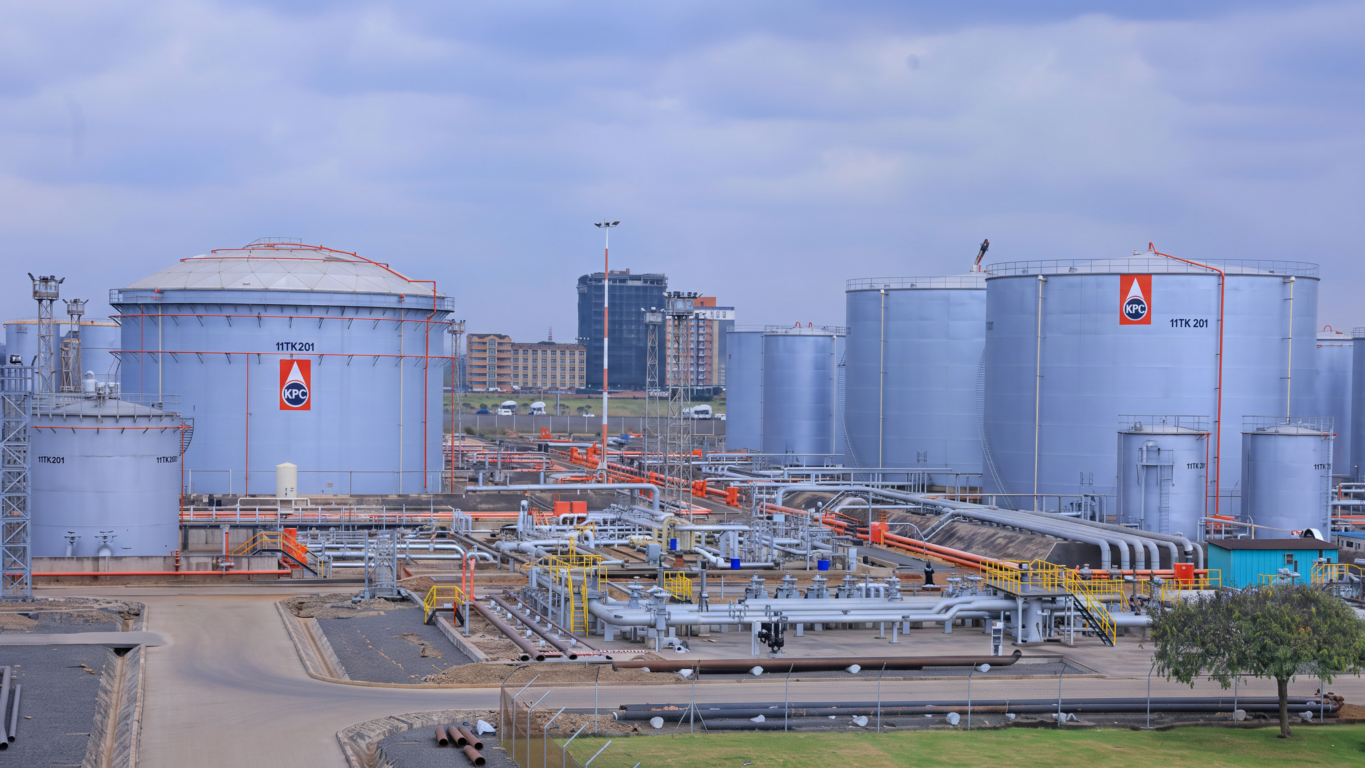
KPC’s significance extends beyond its shareholders. Its pipeline and storage infrastructure plays a critical role in transporting petroleum products within Kenya and to neighbouring markets, including Uganda, Rwanda, South Sudan and the eastern Democratic Republic of Congo.
The company operates a pipeline network spanning approximately 1,342 kilometres, making it an important part of the region’s petroleum supply chain. Its operational efficiency affects fuel transportation, supply reliability, business costs, and regional trade.
As a listed company, KPC will need to show it can mobilise sufficient resources to maintain, modernise, and expand this infrastructure while protecting its financial position.
This will require continued investment in pipeline capacity, storage facilities, operational efficiency and regional connectivity. Projects such as the Eldoret-Kampala-Kigali (EKK) pipeline initiative illustrate the company’s ambitions to strengthen its regional presence and create additional opportunities for growth.
KPC’s diversification into complementary services, including fibre optic infrastructure and laboratory services, also presents opportunities to broaden its revenue base and reduce reliance on its core pipeline transportation business. The company’s ability to translate these opportunities into sustainable revenue growth will be an important consideration for investors.
The shift to public ownership creates opportunities to improve access to investment capital and strengthen commercial discipline. However, listing does not automatically eliminate the need to borrow or guarantee more efficient delivery of infrastructure projects. The company’s ability to attract financing will depend on its financial performance, investment strategy, and the confidence of capital providers.
For consumers and businesses, improved pipeline infrastructure could deliver more reliable petroleum distribution, reduced reliance on road transport, and greater efficiency across the supply chain. However, these gains depend on sustained investment and effective operations; they should not be taken as an automatic guarantee of lower pump prices.
KPC’s challenge will therefore be to balance its commercial responsibilities with its strategic role in supporting Kenya’s energy security and regional economic integration.
Ultimately, the success of its infrastructure strategy will depend on its ability to deliver reliable services, improve operational efficiency and generate sustainable returns from its investments while maintaining the resilience of a critical national asset.
Making Public Ownership More Accessible
The arrangements for the first post-listing AGM also reflect the importance of broadening shareholder participation.
KPC will hold the meeting electronically, allowing registered shareholders to follow the proceedings via livestream. This gives investors outside Nairobi, including those in Eldoret, Kisumu and Mombasa, an opportunity to participate without travelling to the company’s headquarters. Such arrangements are important in a market where retail investors need access to timely information and practical channels to exercise their shareholder rights.
Beyond following the proceedings, shareholders will have the opportunity to participate in the meeting through the prescribed electronic channels, including asking questions and voting on resolutions. These mechanisms are central to ensuring that public ownership translates into meaningful shareholder participation rather than simply a wider distribution of shares.
For a company with a broad retail investor base, accessible and transparent shareholder engagement will be an important part of building confidence in its new ownership structure.
Beyond Privatisation: Delivering on the Promise of Public Ownership
KPC’s first AGM as a listed company comes with expectations that go beyond approving financial statements and a dividend.
For investors, the priority will be sustainable earnings growth, predictable shareholder returns and confidence in the company’s governance. For the Government, the challenge will be to demonstrate that the partial divestiture can deliver value beyond the immediate proceeds of the IPO. For the wider public, success will include reliable petroleum infrastructure, efficient operations and responsible management of a strategic national asset.
The success of the transition should therefore be assessed on several fronts. These include the company’s ability to sustain financial growth, attract investment, strengthen corporate governance, expand regional operations and maintain reliable petroleum supply infrastructure. The Government’s IPO proceeds represent one dimension of the transaction, but the longer-term test lies in the economic and institutional value created by the new ownership structure.
The transition to public ownership does not, by itself, guarantee better performance or greater accountability. These outcomes must be demonstrated through transparent decision-making, responsible investment, effective board oversight and consistent engagement with shareholders.
Ultimately, KPC’s first AGM as a listed company is an opportunity to establish a new relationship between the company and its expanded shareholder base.
The question facing investors and Kenyans is no longer simply who owns the pipeline. It is whether the new ownership structure can deliver sustainable shareholder value while ensuring that the company continues to serve the country’s wider economic and energy security interests.