

SCOTUS Limits Emergency Tariff Powers, But Trade Uncertainty Remains
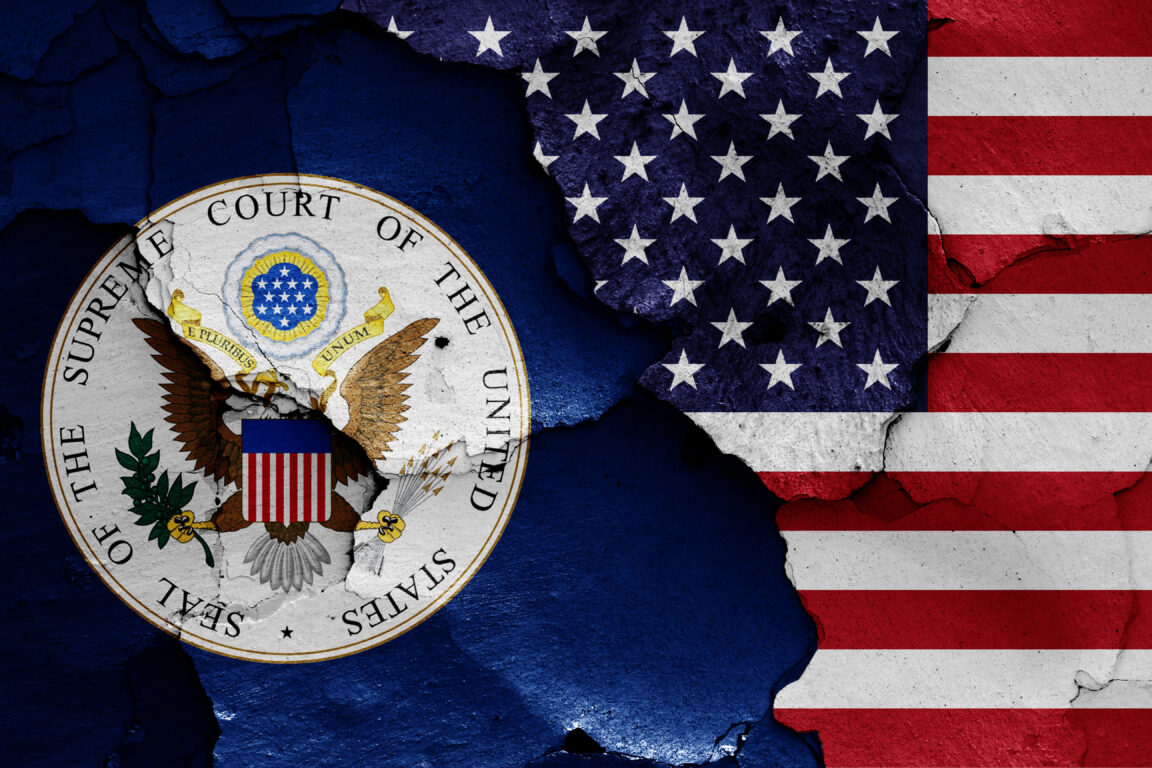
This week, the Supreme Court of the United States (SCOTUS) ruled that President Donald Trump could not use the International Emergency Economic Powers Act (IEEPA) to impose sweeping global tariffs without congressional approval. In simple terms, the Court drew a clear constitutional line: emergency powers cannot just be stretched to introduce wide-ranging tariff regimes without lawmakers being involved. Presidential authority to regulate imports does not automatically include the power to levy tariffs.
However, the ruling does not suggest that tariffs are over. It merely blocked a quick and adaptable legal route. The Court’s message was clear – just because the President can regulate international economic activity does not mean he can unilaterally impose broad import duties without Congress.
It also appears the administration was prepared for this outcome. Almost immediately after the judgment, new global tariffs were announced under Sections 122 and 301 of the Trade Act of 1974 and Section 232 of the Trade Expansion Act of 1962. These laws still permit tariffs, albeit through more formal investigations and procedures. So, while IEEPA has been restricted, the broader toolkit for imposing tariffs remains available.
From an economic perspective, these measures indicate that tariffs are not disappearing; they are simply being rebranded. The process may now be slower and more bureaucratic, but it remains feasible. Section 232 addresses national security issues. Section 301 pertains to unfair trade practices. Section 122 allows temporary actions to handle balance-of-payments problems. All these options require thorough investigations and documentation, but they still provide the executive with room to act.
The larger issue, however, is not merely about legal pathways. It concerns the economic adjustment that has already occurred.
Over the past year, tariffs were introduced as a key economic strategy to increase revenue, reduce the trade deficit, and restore manufacturing in the United States. Although government revenue from tariffs grew substantially, the more fundamental goals were not fully realised. The trade deficit persisted. Large-scale manufacturing did not return as anticipated. Instead, supply chains shifted to other countries. Production moved globally instead of returning to America.
In practice, tariffs mainly shifted costs inward. Importers, businesses, and consumers paid more. Companies experienced narrower profit margins. Some investments were postponed or redirected elsewhere. Supply chains were reorganised, often at a high cost. And once businesses relocate or restructure supply networks, those choices are rarely reversed easily.
Other countries also felt the impact. Some negotiated tariff relief by offering greater access to their markets or committing to buy more American products. Those concessions remain in place, even as the legal basis of some tariff changes remains uncertain. The imbalance is clear: if tariffs are withdrawn or invalidated, US importers may receive refunds. But exporters who lost business or shifted operations are unlikely to recover those losses.
Global trade certainty has also diminished. Trade agreements rely on stability and trust that commitments will be honoured beyond political cycles. When trade policy can change rapidly based on executive decisions, confidence declines. Even with the Court intervening, uncertainty persists because other legal options remain available.
Financial markets have reacted to this uncertainty. Currency fluctuations and cautious investment behaviour indicate that the real question is not whether tariffs exist, but how and under which law they will be implemented next. The risk has transformed, but it has not vanished.
Ultimately, there are no clear winners. The United States collected revenue but did not achieve the structural change it aimed for. The Supreme Court limited executive power but did not fully restore policy stability. Exporters adapted instead of collapsing, changing trade routes and diversifying suppliers. Consumers faced higher prices. Smaller importers struggled. Developing economies faced volatility due to their integration into global value chains.
The lesson is familiar. Tariffs are effective at redistributing costs and altering trade patterns, but they are less successful at reshaping fundamental economic structures. They shift activity elsewhere; they do not necessarily rebuild industries.
So, while the Court’s ruling is constitutionally significant, it does not indicate the end of tariff-based trade policy. Instead, it signifies the start of a more procedural and politically complex phase. The legal tool has changed, but the strategy remains.
The lasting impact is not only legal adjustments but also sunk investments, reorganised supply chains, and ongoing uncertainty in the global trading system. Tariffs remain, along with the economic uncertainty they bring.