

Revealed: Leading Conditions Disabling Millions of Kenyans

Physiotherapists at Kenyatta National Hospital (KNH) say access to rehabilitation services remains a major challenge for patients, particularly in rural Kenya. Many first seek treatment at local dispensaries, where physiotherapy services are unavailable, and are prescribed pain medication that addresses symptoms rather than the underlying condition. Others delay seeking care altogether, hoping the pain will resolve on its own. By the time they reach specialist facilities, many present with chronic pain, reduced mobility, muscle wasting, recurrent falls, and permanent functional limitations.
The referral process adds another layer of difficulty. Patients are often referred to higher-level hospitals many kilometres away, making repeated visits costly and time-consuming. As a result, many discontinue treatment because they cannot afford transport, while others seek help from traditional healers or learn to live with their condition.
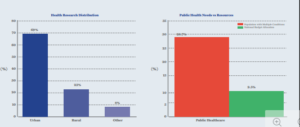
The burden is compounded by a research landscape that remains heavily concentrated in urban centres.
Back pain, physiotherapists note, is often dismissed as minor, yet it affects far more than the spine. Pain disrupts muscles, joints, nerves, and the brain, prompting the body to restrict movement as a protective response. Over time, this leads to stiff joints, muscle weakness, reduced flexibility, poor posture, declining fitness, and fear of movement. Persistent pain also heightens the nervous system’s sensitivity, making even routine activities uncomfortable. Physiotherapy therefore focuses not only on relieving pain but also on restoring movement, rebuilding strength, and helping patients regain confidence and function.
The effects extend beyond physical health. Chronic pain and disability often result in the loss of independence, employment, and social connections, increasing the risk of anxiety and depression. Depression, in turn, reduces a patient’s motivation to attend therapy or participate in rehabilitation, creating a cycle that delays recovery. Physiotherapists therefore take a holistic approach to rehabilitation, combining physical therapy with patient education, family support, goal setting, and referrals for psychological care where necessary. However, multidisciplinary rehabilitation teams remain limited, particularly outside major referral hospitals.
The disparities are most acute in counties such as West Pokot, Samburu, Turkana, and Marsabit, where access to rehabilitation services remains scarce. Many patients travel long distances for a single physiotherapy session, then return home to rely on family members with no formal rehabilitation training. The result is avoidable disability, loss of livelihoods, greater dependence on carers, and a sustained decline in quality of life.
According to physiotherapists, the shortage and uneven distribution of rehabilitation professionals remain the biggest obstacle to expanding services nationwide. Most are concentrated in Level 5 and Level 6 referral hospitals, leaving many counties underserved. Expanding rehabilitation will require greater investment in the workforce, equipment, sustainable financing, and increased awareness of the value of early intervention.
Rehabilitation, they argue, is not a luxury but an essential component of healthcare. Investing in physiotherapy early costs far less than managing preventable disabilities later. Beyond reducing pain, rehabilitation enables people to regain their independence, return to work, care for their families, and participate fully in society.
(Daily Nation)