

Kalonzo Takes the Helm: Azimio’s Make-or-Break Gamble for Kenya’s 2027 Opposition
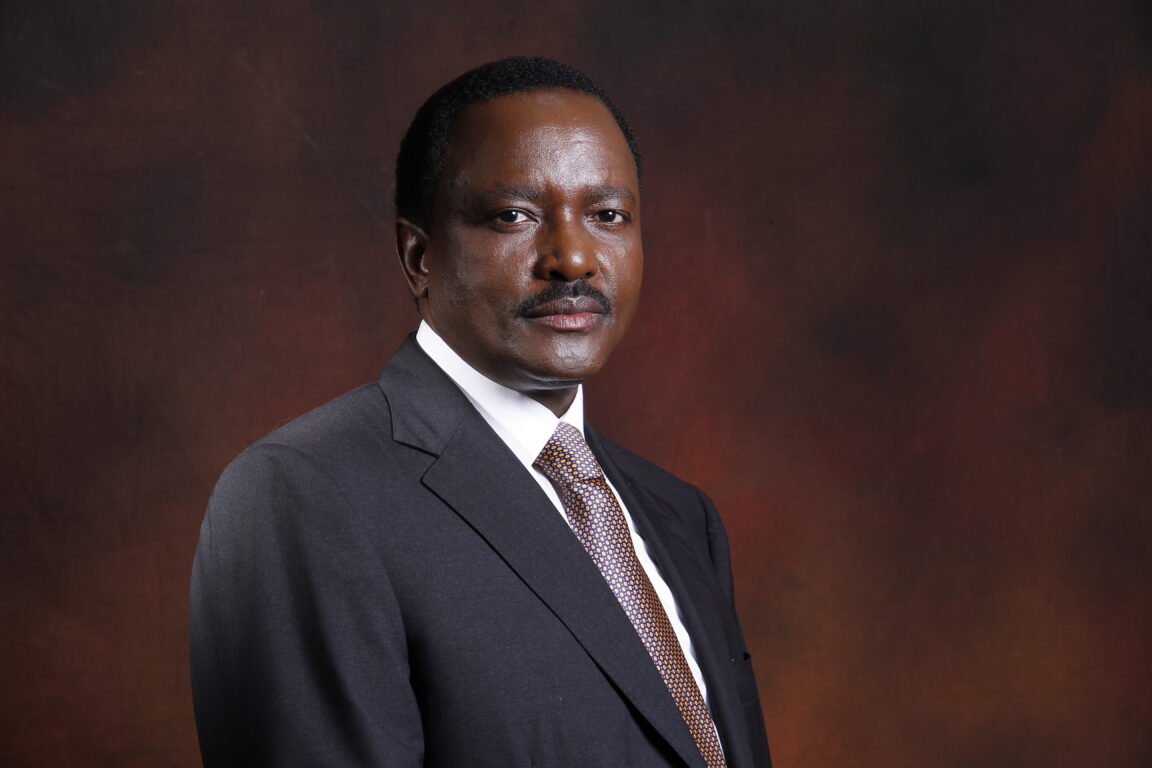
In a move that has brought excitement to Kenya’s political landscape, Wiper Patriotic Front leader Stephen Kalonzo Musyoka has been appointed as the new party leader of the Azimio la Umoja One Kenya Coalition.
This decision, orchestrated by coalition chairman and former President Uhuru Kenyatta, comes amid efforts to revitalise the opposition following the death of its former leader, Raila Odinga, in October 2025. As Kenya gears up for the 2027 general elections, Kalonzo’s elevation signals a strategic reset for the united opposition, but it also highlights lingering fractures and challenges ahead.
The Azimio coalition, formed ahead of the 2022 elections as a broad alliance against then-Deputy President William Ruto’s Kenya Kwanza, faced significant turbulence after the late Raila joined up with Ruto in a cooperation agreement.
Kenyatta, stepping back into the fray, chaired a joint meeting of Azimio’s Council and National Executive Committee on February 2, 2026, where the changes were approved. Alongside Kalonzo’s appointment, Suba South Member of Parliament (MP) Caroli Omondi was named secretary-general, replacing Junet Mohamed, and former Nairobi town clerk Philip Kisia was appointed executive director.
Kalonzo, a seasoned politician and a former Vice President under Mwai Kibaki, graciously accepted the role, describing it as a “collective responsibility aimed at national renewal.” He emphasised Azimio’s commitment to justice, inclusivity, and effective governance, urging Kenyans not to despair amid ongoing challenges.
The reshuffle was framed as a response to “evolving political circumstances” to foster greater cohesion and effectiveness.
Kalonzo’s appointment is a deliberate effort to stabilise Azimio and leverage his experience in coalitions. As a veteran opposition figure with cross-regional appeal, particularly in the Ukambani region, Kalonzo brings neutrality to internal squabbles, such as those within the Orange Democratic Movement (ODM), where factions led by Oburu Odinga have been accused of aligning with the ruling United Democratic Alliance (UDA).
Omondi’s elevation, known for his combative stance against “elite capture”, aims to counter these dynamics and inject fresh energy into the coalition’s administrative core.
However, the move underscores Kenyatta’s reassertion of influence, positioning Azimio as a more structured opposition machine under his oversight. This has sparked mixed reactions. Supporters see it as a path to unity, with Jubilee Party reaffirming its commitment to the coalition.
Critics, including former Nyeri Town MP Ngunjiri Wambugu, have trolled Kalonzo for accepting what they view as a diminished role in a fractured alliance.
There are also suggestions that Kalonzo is defecting from a potential alliance with former Deputy President Rigathi Gachagua, leading to splits in opposition ranks. However, Gachagua’s party, the Democratic Citizens Party, has welcomed Azimio’s revival and Kalonzo’s appointment, terming it “the right step into the future as our Nation’s rebirth beckons on August 10, 2027”.
Overall, while the appointment may boost internal cohesion in the short term, it risks alienating allied factions and exacerbating rivalries between Kenyatta and Gachagua over control of key voter bases, such as Mt. Kenya.
Ramifications for the 2027 Elections
Looking ahead to 2027, Kalonzo’s leadership positions him as the likely flagbearer for Azimio, a development many have long anticipated. His elevation is part of broader preparations, including an aspirants’ forum on February 14 to reorganise the anti-government front.
By inheriting Azimio’s infrastructure, Kalonzo shifts the opposition from a protest movement to a “government in waiting”, potentially making it more fundable and appealing to moderate voters.
Kalonzo’s previous presidential run in 2007 and as Raila’s running mate did not yield victory, and perceptions of indecisiveness persist. Facing an incumbent President Ruto, backed by a strong economic narrative and UDA’s machinery, Azimio must broaden its appeal beyond traditional strongholds. Kenyatta’s financial support could help, but Kalonzo’s less aggressive style may hinder grassroots mobilisation.
Moreover, the appointment comes amid questions about Azimio’s legal status, with the National Liberal Party petitioning for clarity and former executive director Raphael Tuju resigning. If internal divisions, such as the Gachagua-Kenyatta rift, lead to further fragmentation, it could mirror past opposition failures, allowing Ruto to “squeak through” as in 1992.
A High-Stakes Gamble
Kalonzo’s appointment as Azimio leader is a bold bid to rejuvenate the opposition and mount a credible challenge in 2027. It leverages his experience and Kenyatta’s influence to foster unity and strategic focus, but it also exposes fault lines that could undermine the coalition’s effectiveness.
As Kenya navigates economic pressures and governance issues, the success of this leadership change will depend on Azimio’s ability to transcend internal politics and resonate with the electorate’s aspirations for renewal.
The coming months, including the aspirants’ forum, will be telling in whether this marks a resurgence or another chapter in opposition disarray.