
Dengue Fever And Ebola in Kenya: What You Need to Know
Dengue Fever in Kenya: What You Need to Know
More than 1,600 cases of dengue fever have been reported in Kenya, according to the World Health Organisation (WHO). As of July 2026, WHO reported 1,679 cases across three counties.
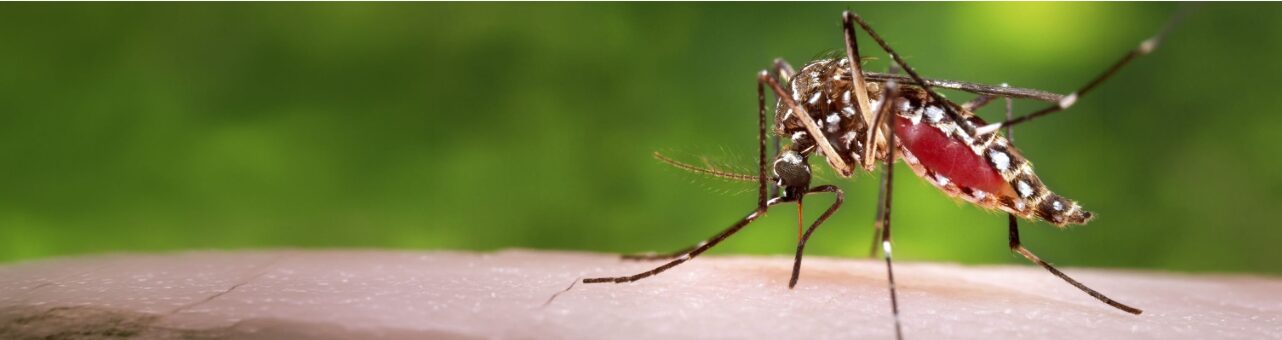
Dengue is a viral infection transmitted by mosquitoes. It typically causes a severe flu-like illness, with symptoms including high fever, severe headache, pain behind the eyes, severe joint and muscle pain, nausea and skin rashes. Because its early symptoms can closely resemble malaria or the common flu, dengue can be difficult to diagnose without appropriate testing.
How Does It Spread?
Dengue is not directly contagious between people. It is primarily transmitted through bites from an infected Aedes mosquito. Unlike the mosquitoes that transmit malaria, which typically bite at night, Aedes mosquitoes are active mainly during the day, particularly in the early morning and late afternoon.
Stagnant water in open containers, buckets and areas with poor drainage can provide breeding sites for mosquitoes.
Historical Context & Current Situation
Historical hotspots: Dengue outbreaks in Kenya have historically been concentrated in coastal counties. In early 2021, for example, Mombasa and Lamu reported more than 550 cumulative cases over four months, placing additional pressure on local health services.
Geographic spread: More recently, transmission has extended beyond the coast into arid and semi-arid northeastern areas. Garissa and Wajir have reported significant outbreaks alongside continued transmission in coastal areas. WHO’s 2026 reporting has identified Garissa and Wajir as areas experiencing an upsurge.
Public health impact: Cases have been reported across different age groups, including children and young adults. The spread has prompted increased public-health surveillance and prevention efforts.
Response efforts: Kenya’s Ministry of Health and health partners have stepped up surveillance, vector control and community awareness. Measures include eliminating mosquito breeding sites, improving environmental management, strengthening diagnostic capacity, and educating communities about prevention.
Crucial Medical Advice
There is no specific antiviral treatment for dengue. Care generally focuses on rest, adequate hydration and managing fever and pain.
Important: If dengue is suspected, avoid aspirin and nonsteroidal anti-inflammatory drugs (NSAIDs), such as ibuprofen, because they can increase the risk of bleeding. You can use paracetamol to manage fever and pain. Seek medical attention promptly if symptoms worsen or warning signs of severe dengue develop.
Kenya’s Preparedness Against Ebola
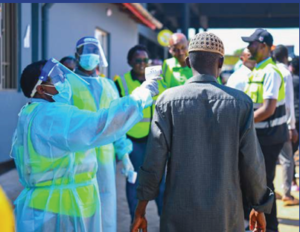
Kenya is maintaining a heightened state of readiness against Ebola, with preparedness remaining a key safeguard against emerging public health threats despite no confirmed cases in the country. The Ministry of Health, together with the Kenya National Public Health Institute (KNPHI), has identified 25 high-risk counties through its Incident Management System for intensified preparedness activities, technical assistance and resource allocation. Kenya’s Ebola preparedness score currently stands at 66%, reflecting progress while highlighting the need for continued investment to achieve full operational readiness.