

Beyond the Fuel Crisis: East Africa’s Renewable Energy Pass
For years, fuel prices in East Africa have risen and fallen like waves. But we have never seen a spike like the current one. One month, transport fares are manageable. Next, food prices creep up, businesses struggle with operating costs, and families are forced to rethink their budgets. Today’s fuel crisis feels different. It is no longer just about global oil markets or local taxes. It is about war, geopolitics, and a world that remains dangerously dependent on fossil fuels.
The ongoing conflict in the Middle East has once again exposed the vulnerability of countries across East Africa to global oil shocks. Whenever tensions rise in oil-producing countries such as Iran, the ripple effects are felt thousands of kilometres away. A disruption to supply chains, fears over oil transport routes, or uncertainty over production immediately pushes global crude oil prices higher.
For East African economies that rely heavily on imported fuel, the impact is swift and painful.
In Kenya, higher fuel prices quickly translate into higher costs for transport, electricity generation, farming, manufacturing, and even basic household goods. The boda boda rider pays more for petrol. The farmer spends more to transport produce to market. Factories face higher production costs, and consumers eventually pay the price at supermarket tills, on public transport, and at the mama mboga. Inflation rises, disposable incomes shrink, and economic pressure builds across all sectors.
Yet, beyond the economic strain lies a deeper question: Why are countries that are blessed with abundant renewable energy potential still so exposed to oil-driven global crises?
East Africa is one of the richest regions for renewable energy in the world. Kenya is already a global leader in geothermal energy, sourcing a significant portion of its electricity from the earth’s natural heat. Ethiopia has immense hydropower resources. Tanzania and Uganda possess strong solar and hydro potential, while countries across the region receive year-round sunshine capable of powering millions of homes and businesses.
Ironically, while the region has the ingredients for a cleaner, more energy-secure future, many economies still rely on imported fossil fuels whose prices are dictated by events occurring oceans away.
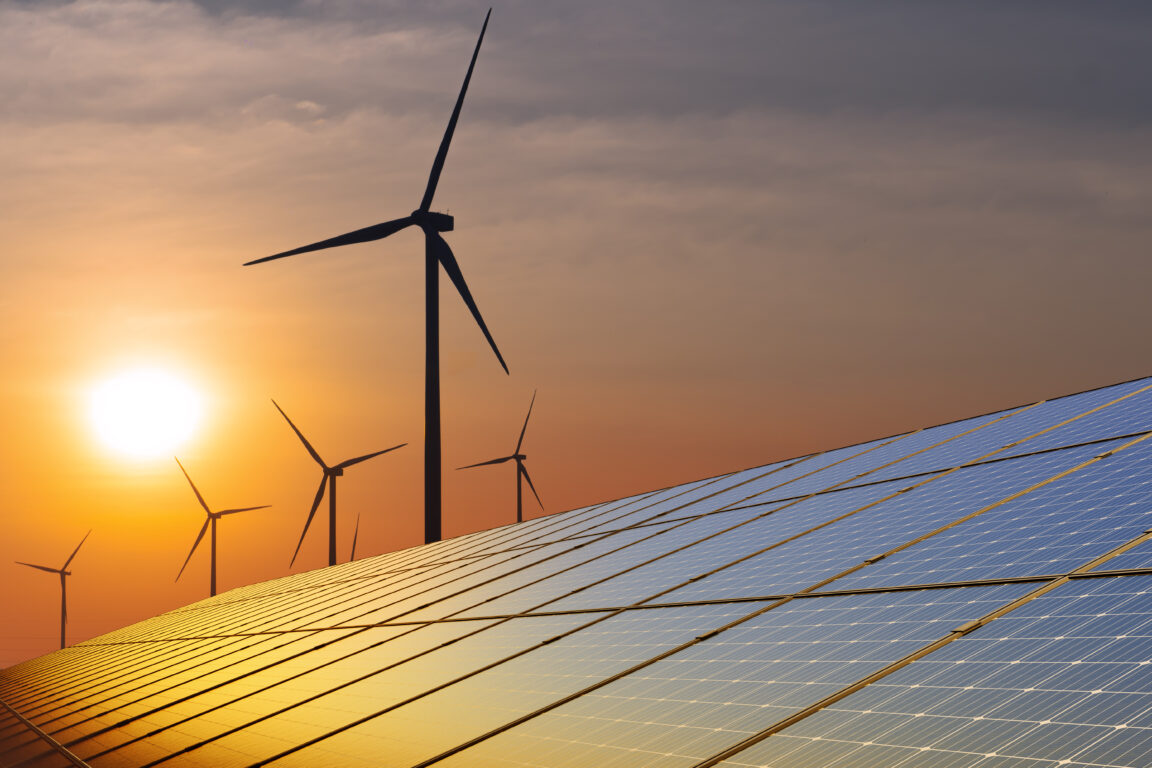
This is where sustainability stops being a buzzword and becomes an economic survival strategy. Renewable energy is often discussed in terms of climate change, carbon emissions, and environmental conservation. While these remain important, current global instability reveals another powerful advantage: energy independence. A country powered by local renewable sources is less vulnerable to international conflicts, supply disruptions, and volatile oil markets.
Imagine cities powered by solar mini-grids, public transport systems running on electricity, industries powered by geothermal energy, and rural communities accessing affordable, clean energy without relying on expensive diesel generators. Such investments would not only reduce emissions but also shield economies from the volatility associated with global dependence on oil.
The growing electric mobility sector already offers a glimpse of this future. Electric motorcycles and buses are gradually entering the market, promising lower operating costs and cleaner urban transport. Solar-powered irrigation systems are helping farmers reduce fuel costs while improving food security. Renewable energy startups are also innovating rapidly, demonstrating that sustainable solutions are no longer distant concepts but practical realities.
However, progress remains slower than it should be. Infrastructure gaps, financing challenges, policy inconsistencies, and high upfront costs continue to constrain large-scale adoption of renewables. At the same time, fossil fuels still dominate transport systems, logistics, and industrial operations across much of East Africa.
The danger is that if governments and the private sector fail to accelerate the transition now, the region will continue to cycle through the same crisis every few years: global conflict erupts, oil prices rise, inflation increases, and ordinary citizens bear the burden.
What makes the current moment significant is that it has created an opportunity for reflection. The Middle East conflict is not just another geopolitical story unfolding on international news channels. It is a reminder that sustainability is directly tied to economic resilience, national security, and everyday livelihoods.
In East Africa, renewable energy is no longer simply about “going green”. It is about building stable, self-reliant economies that are protected from global shocks. It is about ensuring that a war thousands of kilometres away does not determine the cost of food, transport, or doing business at home.
The world is changing rapidly, and countries that invest boldly in clean energy today may emerge stronger tomorrow. East Africa already has the sun, wind, water, and geothermal resources to power that future. The real question is whether the region will seize this moment to accelerate the transition or continue paying the price of dependence whenever the world catches fire.