

Africa’s HIV Fight Depends on Community-Led Action
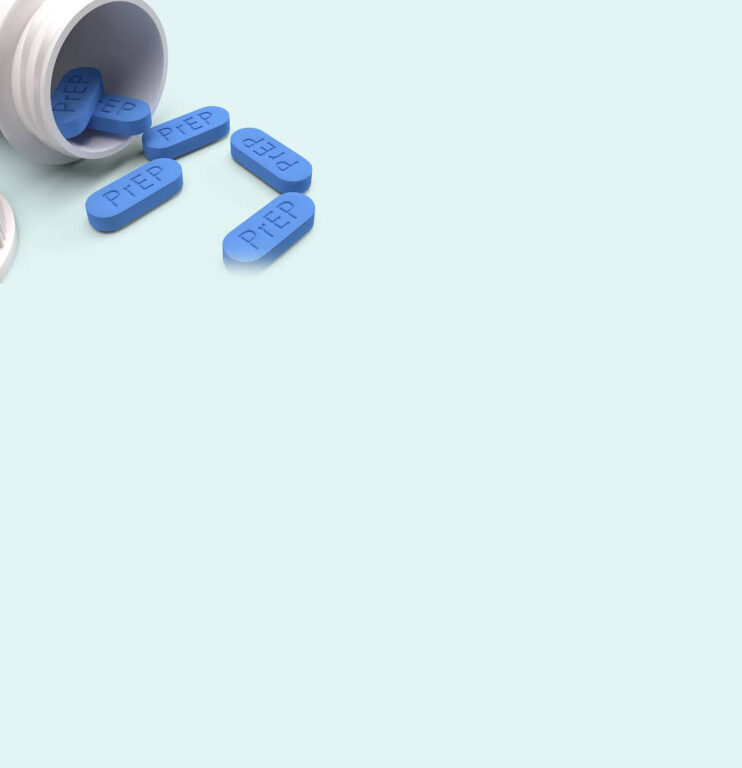
The next phase of Africa’s HIV response will require more than sustaining access to medicines and investing in new prevention technologies. As governments assume greater ownership of HIV programmes, maintaining the community-centred approaches that have supported progress over the past four decades will be equally important. This comes at a significant moment for the global HIV response. The 2026 International AIDS Conference in Rio de Janeiro, under the theme “Rethink. Rebuild. Rise,” is taking place as scientific advances continue to expand the tools available to prevent HIV. Among the most significant developments is the introduction of long-acting HIV prevention technologies, including long-acting injectable pre-exposure prophylaxis (PrEP).
The availability of these technologies, however, does not guarantee their uptake. Their public health impact will ultimately depend on whether people understand them, trust them, can access them and are willing to use them. Kenya’s experience with the rollout of oral PrEP provides an important example. When oral PrEP was introduced in 2017, initial awareness and interest were high. Sustaining uptake, however, proved considerably more difficult. During the IPCP oral PrEP demonstration project involving adolescent girls and young women and female sex workers, continuation declined from almost 100 per cent at initiation to approximately 30 per cent within three months.
The experience highlighted a gap between making a prevention intervention available and ensuring that people are willing and able to use it consistently. Engagement with communities showed that factors beyond the medicine itself influenced discontinuation. Stigma, misconceptions, concerns about confidentiality and perceptions of HIV risk all affected people’s decisions around PrEP. These findings subsequently informed Kenya’s national rollout, including provider training, demand-generation initiatives and community engagement strategies. Working with communities also helped develop informational materials, engage community gatekeepers, and create spaces for more open discussions about HIV prevention.
The significance of this approach extends beyond PrEP. Community engagement provided an opportunity to understand how HIV prevention interacts with people’s relationships, aspirations and everyday circumstances. This allowed programmes to respond to practical concerns that may not have been apparent from clinical or scientific evidence alone. These lessons remain relevant as Kenya introduces newer HIV prevention technologies. Research under the MOSAIC consortium has continued to support the introduction of new PrEP options, including long-acting injectable PrEP. Demand-generation tools co-created with young people are being used to support the rollout, particularly among adolescents and young people who could benefit significantly from longer-acting prevention options.
Recent evidence also reinforces the importance of this approach. Research published in The Lancet HIV and involving LVCT Health researchers highlights the role of meaningful community engagement in ensuring that HIV prevention programmes are trusted, responsive and effective.
For African countries, this is an important consideration as they take greater ownership of their HIV programmes. There is a risk that sustainability could become focused primarily on maintaining access to medicines, diagnostics and new technologies. While these investments remain critical, they are only one part of a successful HIV response. The transition to greater domestic ownership should therefore not come at the expense of community engagement. If anything, it creates an opportunity to strengthen it. Communities should be involved not only in receiving new interventions but also in determining how those interventions are introduced, communicated and delivered.
Putting communities at the centre also requires moving beyond consultation. It means engaging communities before programmes are designed, co-developing solutions, and using their feedback to adapt services continuously. As the HIV response enters its next phase, the effectiveness of new technologies will depend in part on the strength of the systems surrounding them. Scientific innovation can provide new tools, but trust, accessibility and community ownership will determine whether those tools translate into sustained public health impact. For Africa, keeping communities at the centre of this transition will be essential to ensuring that the next generation of HIV interventions reaches the people who need them most.
(Source: Business Daily)