

From Waste to Worth: Rethinking Textile Waste in Kenya
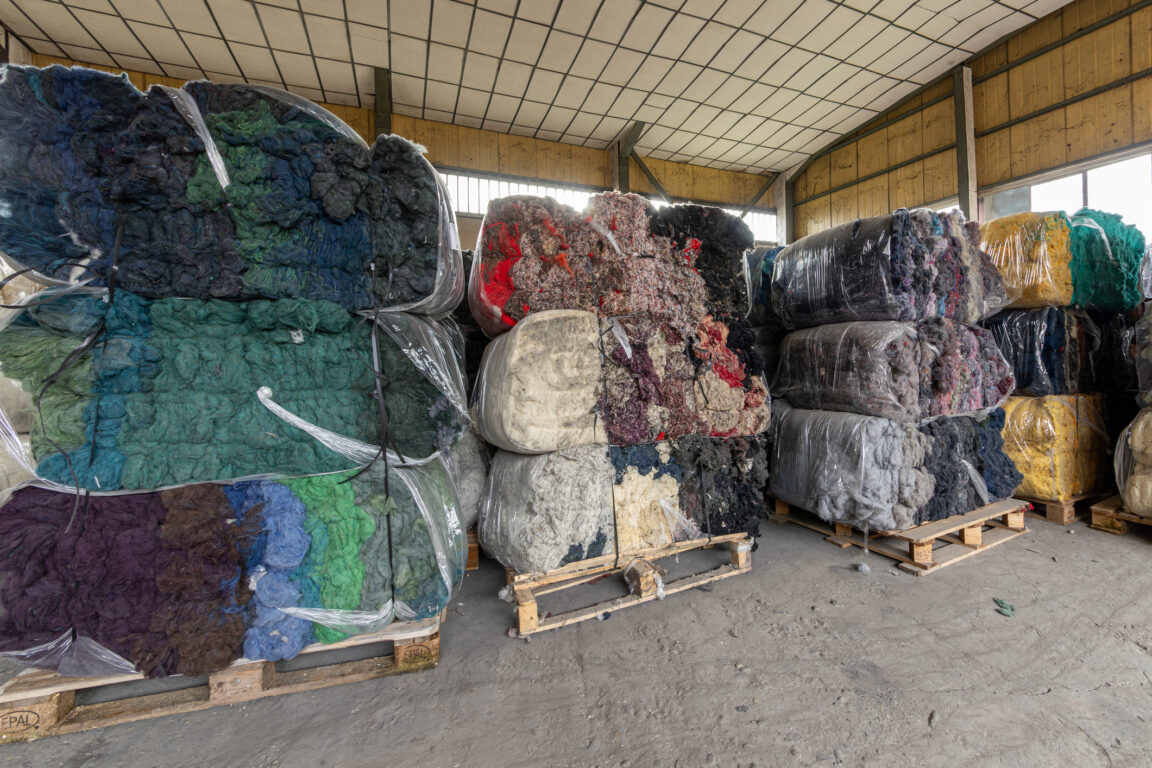
For many Kenyans, the life of a piece of clothing appears simple: buy it, wear it, donate it or throw it away. However, behind that seemingly ordinary cycle is a growing environmental and economic challenge. What happens to a shirt after it is no longer wanted, a pair of shoes after they are worn out, or a corporate uniform after it is replaced?
In Kenya, textile waste is becoming an increasingly important part of the wider waste-management conversation. The country has a large and active second-hand clothing market. At the same time, businesses, households, manufacturers, retailers, hotels, schools and events generate textiles that eventually reach the end of their useful lives. According to the National Environment Management Authority (NEMA), Kenya imports more than 185,000 tonnes of second-hand clothes annually, while less than 1% of textile waste is recycled. NEMA has identified discarded textiles as a growing environmental concern, including their contribution to pollution and the burden they place on waste-management systems.
The Hidden Cost of a Discarded Garment
Textiles carry an environmental footprint long before they reach a bin. Their production requires raw materials, water, energy, chemicals, manufacturing and transport. Globally, UNEP estimates that the textile industry contributes between 2% and 8% of greenhouse gas emissions and uses enormous quantities of water.
The traditional model is linear. Resources are extracted, products are manufactured, consumers use them, and they are eventually discarded. The circular economy proposes a different approach. Products and materials remain in use for as long as possible through reuse, repair, refurbishment, repurposing and recycling. NEMA describes circularity as an approach that seeks to minimise the use of raw materials, extend the useful life of products and reduce waste at the end of their life cycle.
From Disposal to Circularity
A circular approach shifts the question from Where do we throw this? to What value can we recover from this? That could mean repairing clothes rather than replacing them, donating usable garments, reselling items, transforming damaged textiles into new products, recovering fibres, or using textile off-cuts as raw materials for other applications.
UNEP has highlighted the work of Africa Collect Textiles, a Kenyan enterprise that collects textile waste and upcycles it into products such as rugs, toys and yarn. These examples demonstrate that textile waste can serve as an input for another economic activity. This is where circularity becomes more than an environmental concept. It becomes a business opportunity.
For companies, textile waste can come from often-overlooked sources such as employee uniforms, branded merchandise, promotional clothing, hotel linen, curtains, workwear, damaged stock, packaging materials and event materials. Instead of treating these items as ordinary waste, businesses can establish textile collection and recovery systems.
The Opportunity for a New Generation of Green Businesses
The textile waste challenge also presents an opportunity for entrepreneurs. Collection, sorting, repair, resale, fibre recovery, upcycling and design can all be part of a broader circular textile value chain. UNEP’s current Intex programme in Kenya supports small and medium-sized textile enterprises as they transition to more circular, resource-efficient, and sustainable business models.
This matters because circularity requires more than consumers changing their habits. It also requires businesses that can collect materials, process them and create viable markets for recovered products.
A stronger circular textile ecosystem could therefore create opportunities for designers, artisans, waste collectors, recyclers, manufacturers, technology providers and social enterprises.
The opportunity is particularly relevant to Kenya’s growing sustainability and green-economy agenda. When waste becomes a resource, environmental action can also support enterprise development, employment and innovation.
NEMA states that Kenya’s Extended Producer Responsibility regulations require manufacturers and importers to take responsibility for the full life cycle of their products, including post-consumer waste.
For the textile sector, this marks an important shift in thinking. Responsibility for waste management need not begin only when a product reaches a dumpsite. It can begin much earlier, with product design, material selection, durability, repairability, collection systems and end-of-life planning. Businesses therefore have an opportunity to move from merely complying with waste requirements to designing systems that prevent waste from being created in the first place.