

Public Health Officers’ Strike Leaves Kenya Vulnerable to El Niño Disease Outbreaks
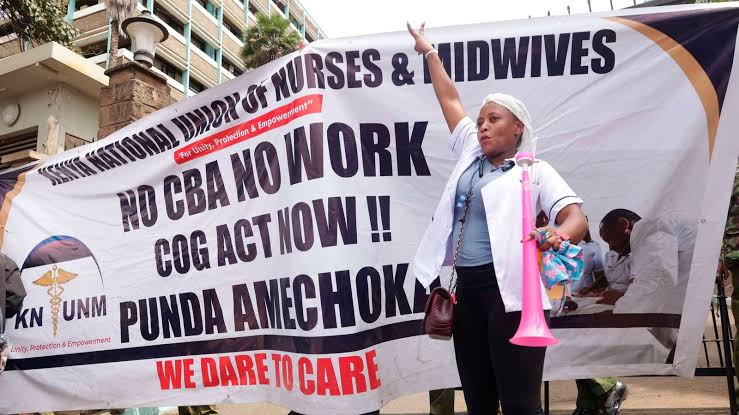
Kenya’s public health officers have entered the 49th day of a nationwide strike as the country prepares for El Niño rains, raising concerns about weakened disease prevention and outbreak response. The officers are responsible for preventing and containing outbreaks of cholera, dysentery, malaria, and severe diarrhoeal diseases. Their duties include rapid response, contact tracing, risk communication, mapping flood-prone areas, investigating disease vectors, managing sanitation, enforcing food and water safety standards, and supporting infection control in health facilities. The prolonged strike has significantly disrupted these preventive functions at a time when heavy rains could increase the risk of waterborne and vector-borne diseases, particularly in low-lying areas and informal settlements.
The dispute has also highlighted staffing shortages in Kenya’s preventive health system. Kenya currently has about 4,200 public health officers serving a population approaching 50 million, of whom only 110 are stationed at the national level. Brown Ashira, national secretary-general and CEO of the Kenya Environmental Health and Public Health Practitioners Union, said most of the national-level officers are expected to retire by 2028, potentially creating a further staffing crisis. He criticised the government for placing greater emphasis on hospital-based curative healthcare than on community-level prevention and called for employment and staffing shortages to be addressed through Collective Bargaining Agreement negotiations.
(Source: Daily Nation)