

After the Handshake: Navigating the Fragile Truce in Kenya’s Health Sector
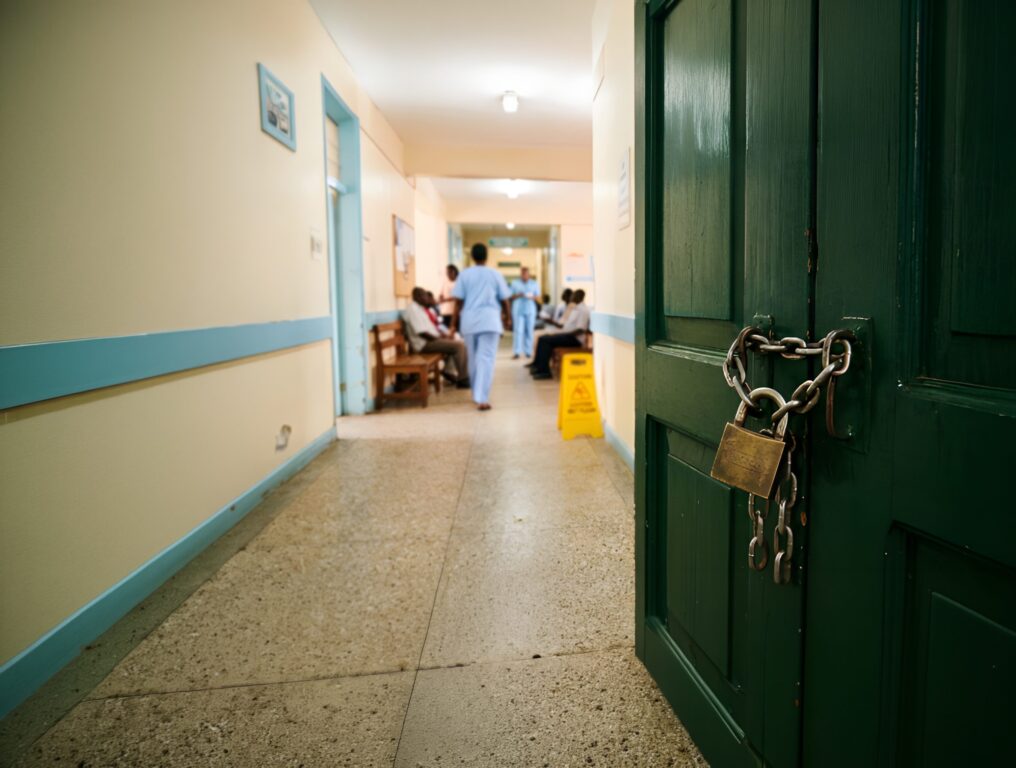
The silence across Kenya’s public health wards has finally lifted. After intensive negotiations among healthcare unions, the Ministry of Health (MoH), and the Council of Governors (CoG), the parties have signed a Return-to-Work Formula. Doctors, nurses, and clinical officers are returning to their posts across all 47 counties.
For millions of Kenyans reliant on public care, the agreement provides crucial relief. Yet history cautions against mistaking an industrial truce for a structural cure. The signed agreement resolves the acute crisis of padlocked emergency rooms and unattended patients, but leaves the underlying policy architecture unchanged. Without decisive structural reform, this truce merely counts down to the next shutdown.
Immediate Roadblocks to Recovery
Ending a strike on paper is a straightforward administrative act; restoring a fully functional health system is a complex logistical task. Facilities face three immediate operational hurdles:
The Care Backlog: Thousands of elective surgeries, maternal consultations, and chronic care visits accumulated during the strike. Returning staff face overwhelmed outpatient departments, risking immediate clinical burnout.
The Execution Deficit: Return-to-work agreements frequently suffer from implementation delays. When promised salary arrears or statutory remittances (SHA and pension deductions) fail to reach accounts promptly, trust between health workers and administrators quickly dissolves.
Supply Chain Restarts: Reopening facilities requires instantly re-establishing pharmaceutical supply lines, restocking essential consumables, and recalibrating idle diagnostic equipment.
Beyond the Return-to-Work Agreement
To break the cycle of strike, negotiate, resume, repeat, policy attention must shift from temporary fixes to structural enforcement:
| Policy Area | Immediate Risk | Long-Term Strategic Requirement |
| Fiscal Execution | County cash flow issues delay negotiated allowances, risking localized wildcat strikes. | Ring-Fenced Health Budgets: Statutory mechanisms ensuring Treasury disbursements go directly to facility-level operational accounts. |
| Workforce Stability | Acute health-worker fatigue during the initial post-strike surge. | HR Harmonization: Phasing temporary contract and UHC staff into permanent and pensionable terms. |
| Bargaining Structure | Fragmented implementation creates severe regional disparities in care quality. | Tripartite Framework: Formalized, binding CBA negotiations between MoH, CoG, and the Salaries and Remuneration Commission (SRC). |
Establishing the Health Services Commission
The core flaw in Kenya’s health governance remains a fragmented human resource framework, with responsibilities split between 47 county employers and the national ministry. This structure exposes health workers to erratic payroll schedules, delayed promotions, and localised political pressures.
This agreement must serve as a catalyst for establishing a constitutional Health Services Commission (HSC).
As the Teachers Service Commission centralises education personnel management, an HSC would unify payroll administration, standardise career progression, and manage national recruitment. Decoupling human resources from county political machinery would preserve decentralised service delivery while protecting health workers from regional fiscal shocks.
Moving Forward
The resumption of health services is a welcome reprieve, but it is not a victory. A true victory is a health system in which personnel do not need to withhold labour to secure basic equipment, timely salaries, or statutory remittances.
National and county governments now have a narrow window of opportunity. They can treat this agreement as a temporary patch or leverage it to enact the fiscal and governance reforms needed to ensure long-term health security for all Kenyans. The handshake is complete; the hard work of reform begins now.