

Political and Regulatory Affairs Round-Up
Kenya
Gaucho: From Street Life to Boardroom
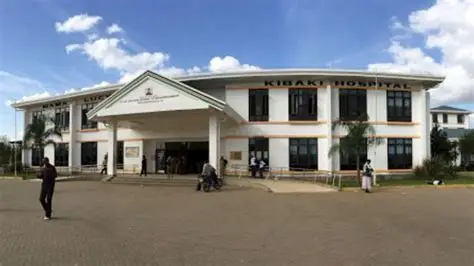
Calvince Okoth, alias Gaucho, has been appointed to the Board of Mama Lucy Kibaki Hospital, a move that has attracted intense nationwide scrutiny and thrust him into the public spotlight. His appointment has sparked a broader debate over his competence, with critics questioning the specific skills he brings to the role. Okoth, however, maintains that he is qualified, not through formal education, but through what he describes as the bruising, unscripted curriculum of the streets. Despite the continued criticism, he remains resolute, framing his journey from paying Sh500 for a tin shack in Mukuru to his current position as evidence of resilience and lived experience, which he believes adequately prepares him for the responsibilities ahead.
(Source: Daily Nation)
Tanzania
Commission of Inquiry Report: Steps to National Healing
President Samia Suluhu Hassan has announced a national roadmap for reconciliation and constitutional reform following the official report on the October 2025 election-related violence, which left 518 people dead and 2,390 injured. She stated that the government has accepted the commission’s recommendations and will begin with criminal investigations into those responsible, alongside medical and rehabilitation support for victims. She further stated that the process will be carried out in a phased approach that will culminate in the establishment of a national reconciliation commission to guide dialogue and restore unity, followed by constitutional reforms informed by its recommendations. The commission documented widespread impacts of the violence across 11 regions and called for institutional reforms, victim support, and strengthened governance systems, while dismissing unverified claims such as alleged mass graves.
(Source: Daily News)
Uganda
Karamoja Leaders Warn Sovereignty Bill, 2026, Risks Choking Aid, Trade, and Investment
Leaders in Karamoja have warned that the Protection of Sovereignty Bill could disrupt the region’s economy, undermine peacebuilding, and reverse development gains by tightening definitions of “foreign influence” and capping external funding. They note that the region remains heavily dependent on donor support in key sectors such as health, education, food security, water, and peacebuilding, and argue that requiring ministerial approval for funds above UGX 400 million could delay critical interventions. They also caution that the Bill’s broad definition of “foreign influence” risks misclassifying diaspora communities and undermining Karamoja’s cross-border livestock trade with Kenya and South Sudan, a key source of livelihood. While supporting the need to protect sovereignty, they call for a more balanced approach that safeguards national interests without weakening the region’s fragile socio-economic and peace structures.
(Source: The Independent)
Rwanda
Genocide Denial Could Lead to Violence, Warns Rwanda Envoy to Kenya
Rwanda’s High Commissioner to Kenya, Ernest Rwamucyo, has warned that genocide is a process marked by clear warning signs that are often ignored, citing the international community’s failure to prevent the 1994 Genocide against the Tutsi. Speaking at a genocide prevention symposium in Nairobi, he cautioned that denial, revisionism, and dehumanisation can enable future violence, pointing to ongoing instability in eastern DR Congo as a continuing risk. He called for stronger, consistent global accountability. He warned that silence and selective justice only embolden perpetrators, as speakers at the event also urged greater vigilance against emerging threats and misinformation.
(Source: The New Times)
Ethiopia
Council of Ministers Approves Loan, Investment Promotion and Protection Agreements
The Council of Ministers, in its 54th regular session, has approved loan agreements, investment protection measures, and several bilateral cooperation deals aimed at strengthening Ethiopia’s economic and institutional framework. Key approvals include €190 million in loans from the French Development Agency and the European Investment Bank for economic reform and rural microfinance. The Council also endorsed an investment agreement for a urea fertiliser project to boost domestic production and reduce import costs, alongside multiple bilateral agreements covering visa exemptions, a joint research centre with Russia, and expanded air service rights for Ethiopian Airlines. Draft legislation on cybersecurity and emergency services was also reviewed and forwarded for further consideration.
(Source: ENA)
Somalia
Gov’t Facilitates the Repatriation of 174 Somali Nationals from Libya
The Government of Somalia has facilitated the safe return of 174 Somali youths from Libya, where they had faced severe security risks, exploitation, and conditions linked to human trafficking networks. The return was coordinated through diplomatic engagement led by the Ministry of Foreign Affairs, in collaboration with international partners including the IOM, the European Union, and the Somali Embassy in Libya. Upon arrival in Mogadishu, the returnees received medical screening, temporary shelter, and psychosocial support as part of emergency reintegration measures. The government says it is now expanding domestic reintegration programmes to support their transition into the workforce, framing the operation as part of broader efforts to protect citizens abroad and discourage irregular migration.
(Source: SONNA)