

The 2026 Parliamentary Playbook
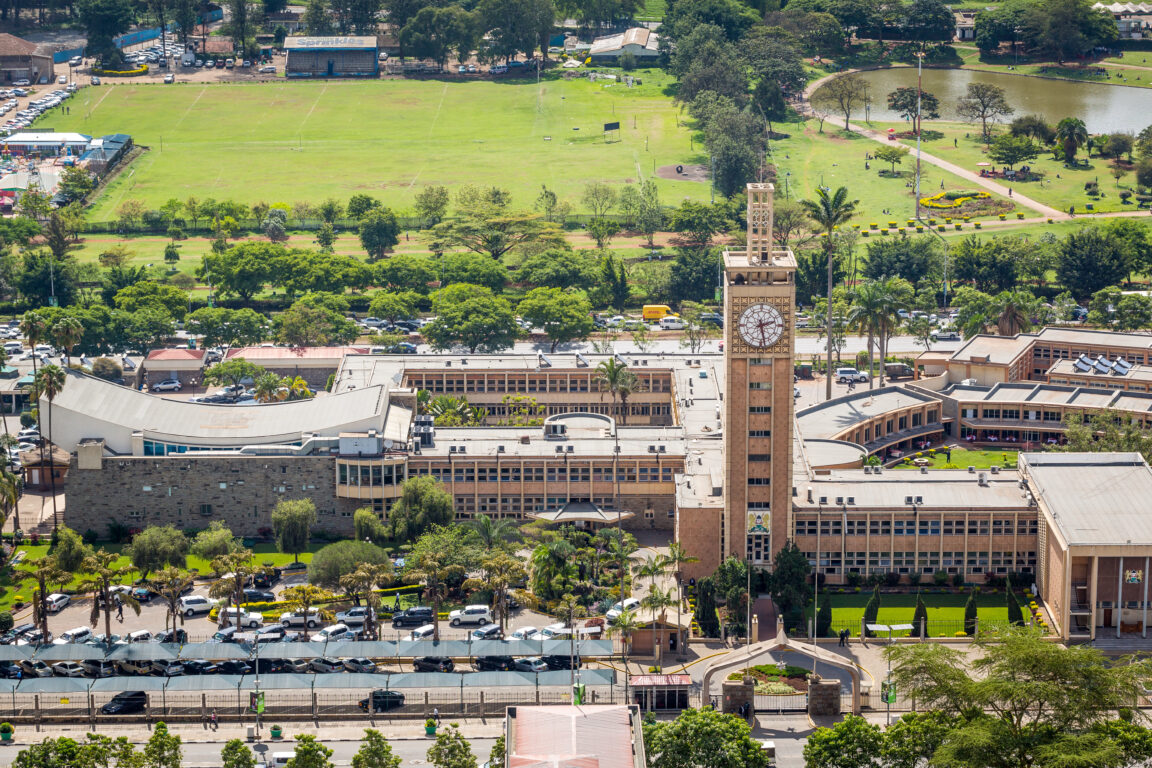
The National Assembly and the Senate officially resume plenary sittings on Tuesday, February 10, 2026, after their long end-of-year recess. This will mark the beginning of the Fifth Session of the 13th Parliament. It is important to note that this is a critical pre-election year leading to the 2027 general elections and would most likely inform discussions in both Houses.
Members of Parliament (MPs) recently held a legislative retreat from 26th to 30th January 30, 2026, in Naivasha to review the performance of 2025 and plan the legislative agenda for the incoming session. They are likely to prioritise discussions on economic reforms, privatisation efforts, tax amendments, overhauls of healthcare and education, electoral preparedness, and the wrapping up of long-pending bills.
Likely Focus 2026 Areas
Tax and Fiscal Reforms: The Tax Laws (Amendment) Bill 2026 is expected to be tabled this month, proposing changes to VAT refunds and other frameworks to release billions in funds. This will be coming in ahead of the Finance Bill 2026. This could tie into broader 2026/27 budget deliberations, seen as potentially the last major pre-election budget. Notably, the Treasury recently stepped in to clear pending bills totalling Ksh.255 billion. Suppliers and contractors repeatedly raised concerns about delayed payments, which crippled businesses, disrupted cash flows, and eroded confidence in government procurement systems. Kenyans should expect more discussions on the National Infrastructure Fund and Sovereign Wealth Fund. This is part of a larger national development agenda to unlock growth without deepening public debt. There will be a strong emphasis on achieving revenue targets while balancing fiscal pressures.
Privatisation and State-Owned Enterprises (SOEs): The partial divestiture of the government’s stake in Safaricom PLC is a hot topic at the moment. Public participation is currently ongoing until February 14, 2026, across various counties in the country. Another hot topic is the recently launched Initial Public Offering (IPO) of Kenya Pipeline Company Limited (KPC) on the Nairobi Securities Exchange. Debates may centre on how to use these proceeds. President William Ruto has already revealed that proceeds from the privatisation of the Kenya Pipeline Company (KPC) will be used to build a new airport.
Healthcare Reforms: Pending bills such as the Health (Amendment) Bill, 2022, the Community Health Promoters Bill, 2022, and the Kenya Health Products and Technologies Regulatory Authority Bill, 2022, are expected to resurface for completion. We also expect more discussion on streamlining the Social Health Authority’s operations. Health Cabinet Secretary (CS) Aden Duale defended ongoing reforms under the Social Health Authority (SHA)/Social Health Insurance Fund (SHIF), reporting that 29 million Kenyans are registered, Ksh.130.4 billion in contributions have been collected, and Ksh.93.4 billion have been disbursed to facilities.
Education Sector Reforms: Education CS Julius Ogamba has been facing intense scrutiny over the Competency-Based Curriculum (CBC/CBE) rollout, especially the troubled transition from Junior to Senior School from grade 9 to 10. He admitted the government lacked precise data on the actual cost of educating a child, and he also highlighted a Sh48.3 billion budgetary deficit in capitation funding for the 2025/26 financial year. We expect discussion in parliament to centre around infrastructure inequities, delayed capitation funds, school levies, governance failures, resource shortages in rural/public schools, and the lack of an actuarial study on the actual cost of educating a child.
Electoral Preparedness and 2027 Elections: There is much work to be done as the country prepares for another election cycle. This is also in light of the resignation of the former Independent Electoral and Boundaries Commission (IEBC) Chief Executive Officer (CEO), Marjan Hussein Marjan. A process to recruit a new CEO and Secretary to the Commission will be initiated in the coming days. The IEBC Chairperson, Erastus Ethekon, briefed MPs on readiness, highlighting funding gaps, the ongoing voter registration campaign, boundary delimitation, and the need for stronger oversight on political party financing. Kenyans should expect discussions on prohibiting foreign donations for election campaigns, enforcing transparency in party compliance, and passing related legislation, most likely on campaign funding.