

JD Vance’s Planned Visit and What’s at Stake for US–Kenya Relations
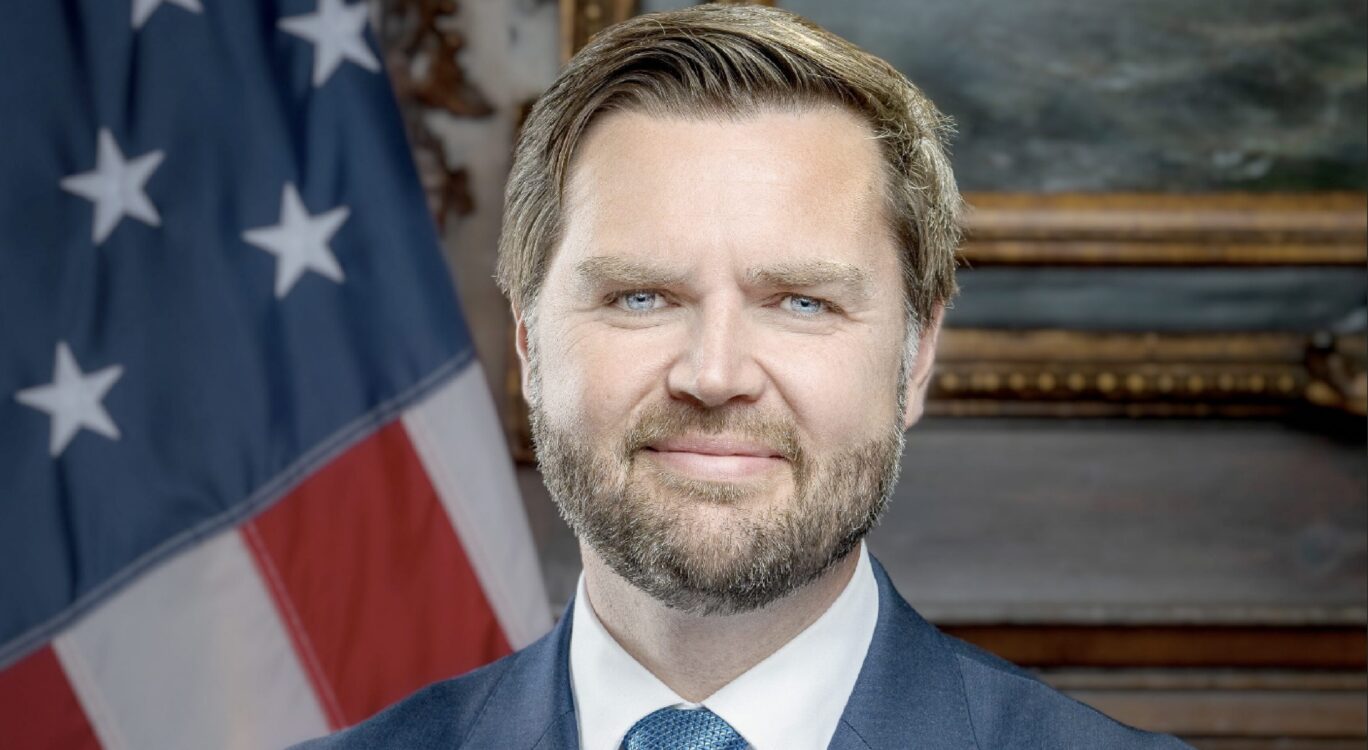
United States (US) Vice President (VP) JD Vance is scheduled to visit Kenya from 24th to 27th November, following his attendance at the G20 Leaders’ Summit in South Africa, Reuters reported on Monday.
His visit will be the first high-level mission to East Africa during President Donald Trump’s second term. The US government has long depended on the region as a safeguard against extremism, instability, and Chinese expansionism.
President Trump is sending Vance in his place to attend the summit in Johannesburg, South Africa, from 22nd to 23rd November. South Africa, which currently holds the rotating G20 presidency, will transfer the presidency to the US after the meeting.
Details of what VP Vance might discuss during his planned visit have not yet been disclosed; however, Kenya is one of Washington’s closest allies in Africa and has expressed its intention to reach a trade deal with the US by the end of this year. But the planned visit is taking place at a time when President William Ruto’s ambitious global agenda is encountering turbulence due to an increasingly inward-looking Trump administration. While President Ruto advocates for climate action, regional security initiatives, and deeper trade ties, Trump’s administration’s ‘America First’ policy has dampened Nairobi’s aspirations. This has highlighted the widening rift between Kenya’s global ambitions and Washington’s nationalist approach.
AGOA
The African Growth and Opportunity Act (AGOA), which provided duty-free access for Kenyan exports to the US, expired at the end of September 2025. It ended the 25-year-old trade framework that allowed eligible sub-Saharan African countries duty-free access to US markets. Its lapse now threatens about 65,000 jobs and exposes Kenya’s textile industry to punitive 10 per cent tariffs established during President Trump’s era.
On the day of expiry, the Trump administration offered support for an additional year for AGOA, according to a White House official. This revived some hope for the trade framework, which allows qualifying sub-Saharan African countries to export several products to the US at zero tariff.
AGOA is a non-reciprocal US trade preference programme, enacted in 2000 and subsequently renewed at expiry by successive administrations through Congress. It aims to promote free markets and good governance while also strengthening the US economic relationship with Africa. The Kenyan government hopes to negotiate a five-year extension or replacement deal by the end of 2025. In 2024, Kenya exported US$737 million worth of goods, mainly textiles, coffee, and tea, to the US.
Major Non-NATO Ally Status
Kenya will also seek reassurance regarding its designation as a Major Non-NATO Ally (MNNA). This title was awarded by the Joe Biden administration in 2024, making Kenya the first sub-Saharan country to hold it. Additionally, Kenya was designated as a Non-North Atlantic Treaty Organisation (Non-NATO) ally by the US on 23 May 2024.
President Biden stated that he made this designation in recognition of Kenya’s many years of contributions to the US Africa Command’s area of responsibility and globally. This designation reflected the US’s national interest in deepening bilateral defence and security cooperation with the Kenyan government. However, Republican Senator James Risch has called for its review, arguing that President Biden rushed the decision to reward a friendly government.
In August, Risch proposed an amendment to the National Defence Authorisation Act (NDAA) for the Fiscal Year 2026, aiming for a 90-day reassessment of Kenya’s status. If approved, the amendment would require the US Secretary of State, Marco Rubio, to produce a report on Kenya’s foreign policy alignments, defence collaborations, and human rights record within 180 days. The review was to investigate Kenya’s relations with China, Russia, and Iran, as well as any political or financial connections to militant groups such as Al-Shabaab and Sudan’s paramilitary Rapid Support Forces (RSF).
It would also examine whether Nairobi has misused US security and intelligence aid to carry out abductions, torture, or other human rights abuses, and detail any military cooperation or agreements between Kenya and the three countries (China, Russia, and Iran) since June 24, 2024.
The move reflected increased concern in Washington about Kenya’s global alignments amid a broader US effort to reassess its strategic partnerships across Africa. The MNNA designation, held by only 18 countries worldwide, provides access to military funding, joint training, and priority defence equipment delivery.
Haiti Mission
The Kenyan government deployed 800 police officers to spearhead the United Nations-backed mission against armed gangs, despite widespread domestic opposition that labelled the deployment unconstitutional.
In September 2025, the mission was restructured from the Multinational Security Support Mission (MSS) into the Gang Suppression Force (GSF) and is currently facing funding uncertainty after the US government hinted that its US$200 million pledge could be frozen pending UN approval of its expanded mandate.
Kenya would like the US government to reaffirm this commitment. For President Ruto, the Haiti deployment is a symbol of Kenya’s reliability as the US’s proxy peacekeeper, and he cannot afford to see it fail.
Still in September, President Ruto described the international community’s failure to support Haiti as “unacceptable, indefensible, and simply wrong”, calling for urgent action with a clear mandate, predictable resources, and logistics. Speaking on the sidelines of the United Nations General Assembly (UNGA) in New York, President Ruto highlighted the MSS’s success in removing gangs from key locations, restoring police facilities, reopening roads, and reviving schools and hospitals, all at only 40 per cent capacity.
Growing Chinese Influence
China has become Africa’s biggest trading partner and creditor in recent years through programmes like the Belt and Road Initiative. During a State visit to China in April this year, President Ruto and China’s President Xi Jinping announced they had elevated ties to a “new level”, with the two leaders pledging to establish an “all-weather” China-Africa community.
The visit was not just routine diplomacy, as it took place during a time when the US and China are at odds in a heated trade war affecting Kenya. The visit took on greater significance amid rising global economic tensions, including the imposition of new US tariffs and a more divided international trade environment.
According to a policy brief published by the Brookings Institution titled “A New US-Africa Blueprint for Trump Amid China’s Rise”, the Trump administration now faces a crucial opportunity to develop a forward-looking strategy that aligns with its foreign policy priorities. The Brookings Institution states that to regain leadership in global trade, the US must enhance American influence in a competitive world, bolster regional and global stability, and promote core American ideals.