

Waste to Wood: How Rice Husks in India Are Powering a Greener Future
In the global push for sustainability, innovation often comes from unexpected places. In India, a company called Indowud has turned a common agricultural by-product into a revolutionary building material that is shaping the future of eco-friendly furniture and interiors. Their story is not only inspiring but also highly relevant to East Africa, where communities grapple with deforestation, agricultural waste, and the search for sustainable livelihoods.
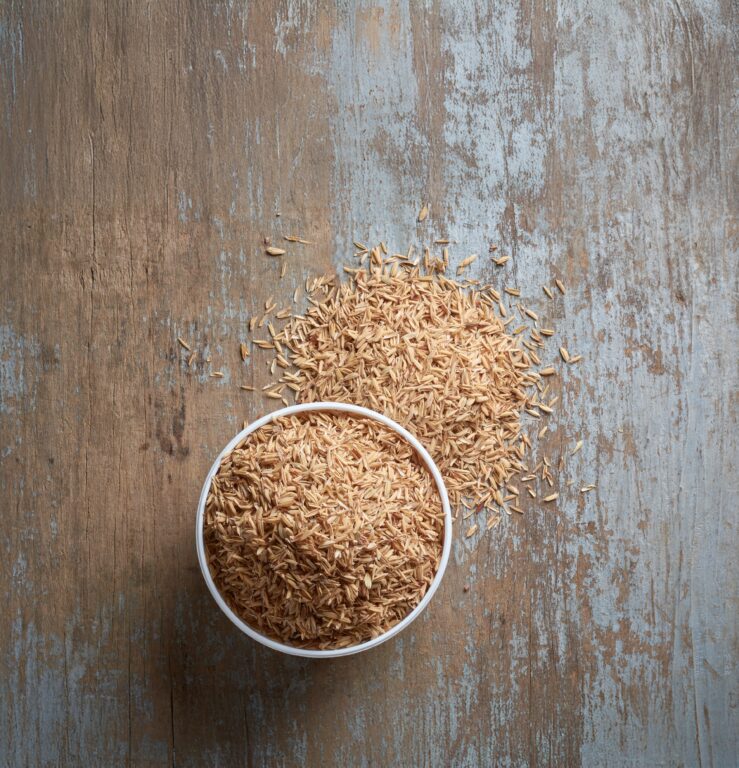
Every year, millions of tonnes of rice are harvested across Asia and Africa. While the grain feeds populations, the husks, which make up roughly 20 per cent of the harvest, have traditionally posed a problem. Most husks end up as waste, often burned in open fields, releasing harmful greenhouse gases and particulates into the atmosphere. Indowud, however, saw opportunity and potential where others saw a problem. By engineering a process that transforms these husks into durable, wood-like boards, the company has created a material that not only rivals timber but also spares forests from the problematic axe.
This innovation addresses one of the most pressing environmental challenges: deforestation. Globally, forests are disappearing at an alarming rate as demand for timber grows, driven by construction, furniture, and paper industries. Kenya is no exception, with rural communities depending on wood for furniture, fuel, and building materials. According to the United Nations (UN), East Africa loses thousands of hectares of forest each year to illegal logging and unsustainable wood harvesting. The knock-on effects include loss of biodiversity, soil erosion, reduced rainfall, and increased vulnerability to climate change. Indowud’s model directly helps relieve pressure on forests by providing an alternative to timber.
But what makes rice husk boards truly sustainable is not just the raw material, but the entire lifecycle of the product. The boards are free of formaldehyde and other harmful chemicals, making them safe for both the environment and human health. They are also highly resistant to termites, moisture, and fire, giving them a longer lifespan than traditional wood products. This means fewer replacements, less waste, and better value for money over time. Indowud has created a circular economy solution for waste: farmers have a new market for their by-product, manufacturers get a reliable raw material, and consumers benefit from durable, sustainable products.
The relevance of this model to East Africa cannot be overstated. Kenya is a major agricultural producer, with rice being grown in regions such as Mwea. Replicating Indowud’s model means husks could be transformed into value-added products. The potential economic and environmental benefits are significant: reduced demand for timber, new income streams for farmers, job creation in green manufacturing, and cleaner air by cutting field burning.
Furthermore, turning waste into wealth supports national sustainability agendas. Kenya has set an ambitious target of planting 15 billion trees by 2032. While these efforts are vital, the demand for wood will continue to rise with urbanisation and population growth. Complementing tree planting with timber alternatives ensures that forests are not cut faster than they can grow.
Today, Indowud’s boards are used in homes, offices, and commercial spaces across India. The message is clear: sustainability is not only about conservation but also about reimagining waste as a resource. With the proper support, farmers, innovators, and financiers could unlock similar success stories.
At its heart, Indowud’s story is about possibility; the possibility of a world where we no longer destroy forests to build our homes, where waste becomes a building block for prosperity, and where sustainability is woven into everyday products. For Kenya, where the challenges of deforestation, climate change, and youth unemployment converge, this model could be the spark for a new kind of green industrialisation.