

“Tuachie Keys”: How Street Culture Is Reshaping Kenya’s Digital Conversation
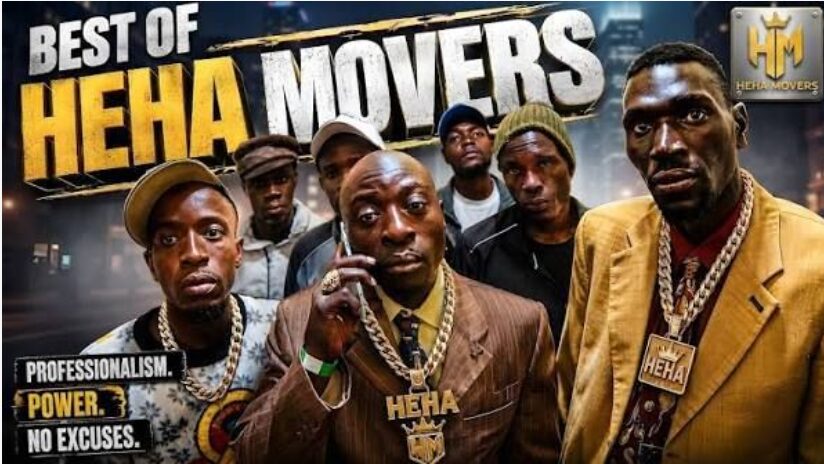
The Anatomy of a Viral Moment
“Heha… Wahio… Tuachie keys, laptop password, na safe combination – Heha know everything.”
When a group of young content creators from Kibera stand outside high-end residential estates, confidently pitching clients through mock advertisements, the satire lands instantly. Heha Movers has built a national cultural phenomenon around a simple premise: satirising the tensions around trust, privacy and urban anxiety in modern Kenya.
The viral trend offers a case study in how Kenyans communicate today: raw, localised and highly decentralised. When street-level culture moves rapidly through digital algorithms, it can shape public discourse before traditional institutions can respond. It also challenges policymakers, businesses and academics to adapt to the realities of Kenya’s informal creative economy.
The Shift in Communication: From Mass Media to the Streets
Kenyan communication has undergone a structural shift over the past two decades. Historically, public narratives were shaped largely from the top down by legacy broadcasters, state institutions and formal English or Kiswahili. Today, short-form video platforms bypass many of these gatekeepers, allowing cultural influence to flow from the bottom up.
Sheng as the Engine of Authenticity
Sheng is no longer merely street slang; it has become a powerful vehicle for youth identity and commercial relevance. Skits such as Heha Movers use localised language to establish an immediate connection with audiences while subverting formal corporate language.
Decentralised Feeds over Top-Down Broadcasting
Algorithms on TikTok and Instagram enable content to spread peer-to-peer. Trends can emerge in informal settlements such as Kibera and enter national discourse before traditional media outlets have a chance to cover them.
Corporate Co-option
Businesses are increasingly quick to appropriate viral catchphrases such as “Tuachie Keys” for their own marketing campaigns. This reflects a broader shift in which corporate communication increasingly follows street-level culture rather than setting the agenda.
Policy Reality: IP Protection, Taxation and Youth Talent
When informal cultural phenomena become commercial trends, they collide with national policy frameworks. The transition from viral skits to brand endorsements highlights several governance challenges facing Kenya’s creative sector.
Formalising the Creative Economy
Initiatives such as national youth talent programmes and creative-economy funds need to provide informal creators with pathways to build sustainable businesses without imposing barriers that could stifle creativity or exclude emerging talent.
Protecting Grassroots Rights
Existing copyright frameworks overseen by the Kenya Copyright Board (KECOBO) face challenges when larger businesses commercialise phrases, audio clips, or creative concepts developed by informal creators without compensation. Policymakers need clearer mechanisms for protecting digital micro-intellectual property.
Balancing Revenue and Growth
As young people increasingly use digital platforms to generate income, tax policies affecting digital content creators must balance revenue collection with the need to nurture emerging creative talent.
Decoding the Satire: Power, Public Debate and Local Voices
Beneath the comedy lies a sharp commentary on how power, space and identity are negotiated in modern Kenya.
Flipping the Script on Class
By playfully mocking notions of absolute trust and elite residential security, young creators from informal settlements invert traditional power dynamics between service workers and wealthy property owners. Satire becomes an accessible way to challenge social boundaries and comment on class.
The Digital Street Corner as a Public Square
Online comment sections, video duets and other interactive formats have become a new kind of public square. Here, ordinary citizens process economic anxiety, unemployment and institutional trust through shared humour.
Reclaiming Narrative Agency
Drawing on Ngũgĩ wa Thiong’o’s emphasis on local language and narrative ownership, street-level creators are not simply replicating imported digital trends. By creating content in Sheng and on their own terms, they assert greater control over how their experiences and communities are represented.
Tapping into the Flow of Culture

Culture has become one of Kenya’s most dynamic forms of economic and social currency. The journey from a Kibera comedy skit to national recognition demonstrates that culture cannot simply be manufactured in corporate boardrooms or dictated through policy. It emerges organically from communities, travels rapidly through digital networks and can reshape how society communicates.
For policymakers, brand strategists and academics, the lesson is clear: understanding Kenya’s cultural economy requires listening to, protecting and building alongside the grassroots voices driving the national conversation.