

Transport Strike Called Off After Ruto Pledges Fuel Relief and Insurance Reforms
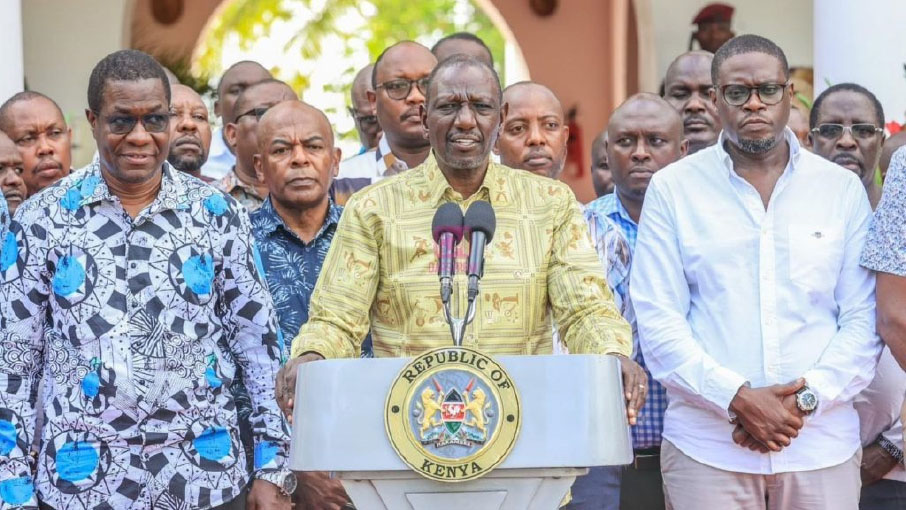
President William Ruto has persuaded transport operators to call off the nationwide strike that had paralysed movement across major towns and cities earlier this week, following a high-level meeting in Mombasa with transport stakeholders, oil marketers, financial institutions and government officials. At the centre of the agreement was a government commitment to reduce diesel prices by at least Sh10 in the June–July pricing cycle, alongside promises to review insurance and debt recovery laws that operators say have pushed many into financial distress.
The President acknowledged the pain caused by rising fuel prices, linking the crisis to instability in the Middle East that has disrupted global oil supply chains. He noted that fuel prices globally had surged sharply in recent weeks, forcing governments around the world to intervene. According to the government, Kenya has already spent Sh28.19 billion across the last two fuel pricing cycles through tax reliefs and stabilisation measures to cushion consumers from even higher pump prices. Without those interventions, diesel would have retailed at Sh277.75 per litre instead of Sh232.86.
Beyond fuel prices, transport operators raised frustrations over insurance claims, auctioneers, loan repayments and regulatory burdens. President Ruto directed an immediate review of the Insurance Act and Auctioneers Act within the next three months, saying many operators unfairly shoulder accident-related costs despite paying for insurance cover. The government also pledged to engage banks on temporary relief measures for transport SACCOs and operators struggling with rising operational costs.
Stakeholders welcomed the talks, describing them as constructive and practical. Federation of Public Transport Sector chairman Edwin Mukabana confirmed the strike had been suspended immediately after the consultations. Operators also supported government plans to exempt buses from mandatory weighbridge inspections and backed the introduction of new 14-seater vehicles in Mombasa. At the same time, they voiced concerns over NTSA rules affecting matatu branding and graffiti art, as well as the growing influx of vehicles from Somalia and Tanzania into the Kenyan market.
Looking beyond the immediate crisis, the government said it is pursuing long-term solutions including regional oil reserves, refinery investments, renewable energy adoption and electric vehicle programmes. President Ruto announced that the first 100,000 electric vehicles imported into Kenya will be duty-free, signalling a broader push to reduce the country’s dependence on imported fuel and shield consumers from future global shocks.