
Today is Tue, 31 Mar 2026


Executive Walkway![]()
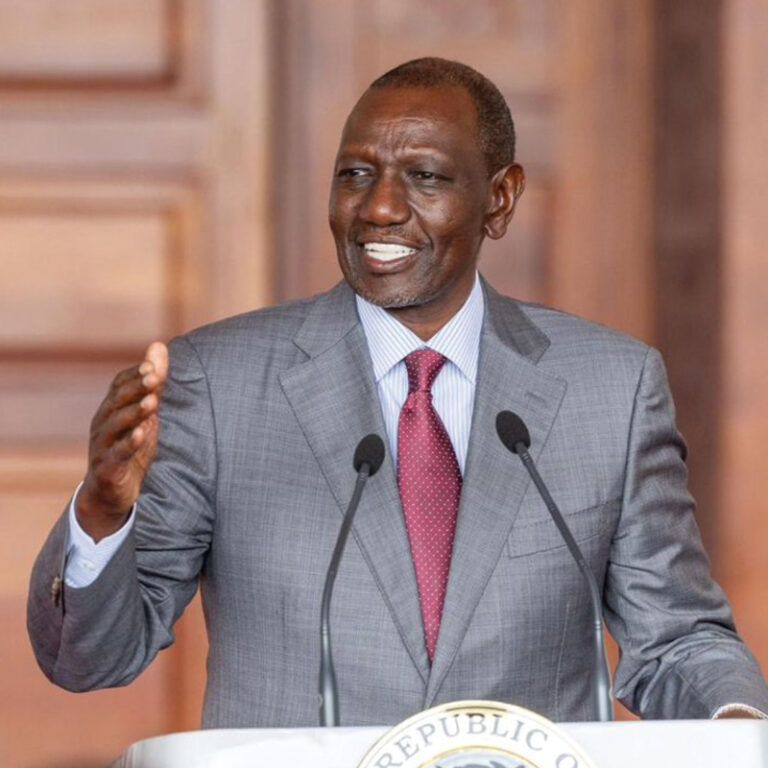
President Ruto Calls Emergency East African Community (EAC) Summit Over $89 Million Funding Gap
President William Ruto has called for an emergency summit of the East African Community Heads of State. The summit scheduled for Wednesday, March 7, 2026, is to address an $89 million budget shortfall threatening the bloc’s operations. The extraordinary meeting is expected to focus on member-state arrears and urgent measures to stabilise key EAC organs, including the Secretariat and the East African Legislative Assembly (EALA).
The funding gap has raised concerns over the continuity of regional programmes, trade facilitation mechanisms, and cross-border integration initiatives. President Ruto’s intervention signals Kenya’s effort to prevent operational paralysis within the Community amid growing fiscal pressures across member states. The summit is expected to centre on compliance with statutory contributions and possible reforms to strengthen the EAC’s financial governance framework.
Parliamentary Aisle![]()
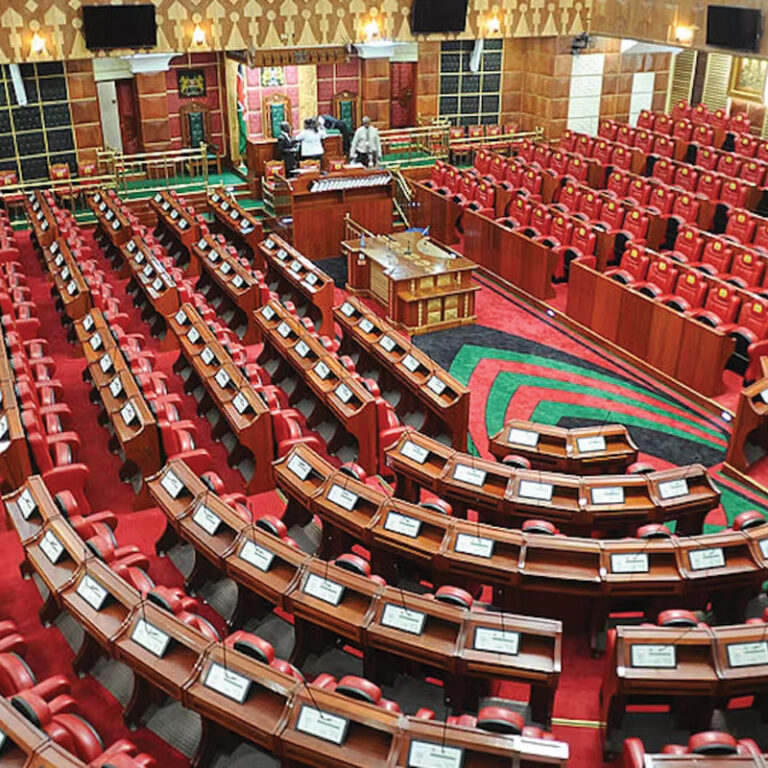
Referendum Bill, 2026 Takes Centre Stage in Parliamentary Business
Between Tuesday, March 3 and Friday, March 7, 2026, both the National Assembly and the Senate are expected to prioritise consideration of The Referendum Bill, 2026, following its publication and introduction in the House. In the National Assembly, the Bill is likely to be processed through First Reading and referral to the relevant Departmental Committee for public participation and stakeholder submissions. In the Senate, attention is expected to centre on the Bill’s implications for county assemblies. The week’s deliberations will be closely monitored given the Bill’s potential to reshape the legal framework governing constitutional change and national political processes.
Corridors ofJustice![]()

Supreme Court Directions in Revenue Sharing Petition
The Supreme Court of Kenya is expected to issue directions during the week of March 3–6, 2026, in a petition challenging aspect of the revenue-sharing formula under Article 203 of the Constitution, which sets out the criteria for equitable distribution of nationally raised revenue between the national and county governments. The petition questions whether the current allocation framework sufficiently reflects constitutional principles such as fiscal capacity, developmental needs, economic disparities, and the need to ensure counties can perform their assigned functions.
Talking of Which![]()

Energy and Petroleum Regulatory Authority (EPRA) March Fuel Review (Expected March 4, 2026)
The Energy and Petroleum Regulatory Authority is expected to release its monthly fuel pricing review on Wednesday, March 4, 2026, pursuant to the Energy Act, 2019. The announcement will set pump prices for the March–April pricing cycle. Given exchange rate movements and global crude oil fluctuations, the review is likely to be closely monitored by manufacturers, distributors, and transport-intensive sectors.
Watch out for![]()

Kenya Revenue Authority (KRA) Stakeholder Engagement on Tax Compliance
The Kenya Revenue Authority is expected to convene sector stakeholder engagements during early March as part of its pre-Finance Bill 2026 consultation cycle. These forums typically bring together industry associations, manufacturers, financial institutions, digital service providers, and tax practitioners to review revenue performance trends and identify areas for policy refinement ahead of formal drafting by the National Treasury. Discussions are likely to focus on VAT base rationalisation, excise duty restructuring, enforcement of digital economy taxation frameworks, transfer pricing compliance, and expansion of the electronic Tax Invoice Management System (eTIMS).
MovingUp![]()

Risper Ohaga
Risper Ohaga Appointed Group CEO of APA Apollo Group
Risper Ohaga has been appointed Group Chief Executive Officer of APA Apollo Group, marking a significant leadership transition within the regional insurance and financial services group. She currently serves as Group CFO and Executive Director at East African Breweries PLC, a position she will hold until her planned departure on 30 June 2026. Her appointment signals APA Apollo’s strategic intent to strengthen capital governance, operational performance, and long-term growth positioning.
During her time at EABL, Ohaga was part of the executive team overseeing capital structure optimisation initiatives, including the utilisation of Medium-Term Notes (MTNs) to refinance and manage debt exposure, contributing to improved liquidity management and reduced leverage pressures. She also played a leadership role in the financial structuring and execution oversight of the strategic transaction between EABL and Asahi Group Holdings, which reshaped ownership dynamics and reinforced long-term capital alignment. Her broader career includes serving as CFO at Barclays Bank Zambia and holding senior internal audit roles across thirteen African markets within the banking group’s regional operations.
Ohaga has received multiple professional recognitions, including the Women on Boards Award 2024, the Inclusive Leader Award for East Africa 2024, and CFO of the Year 2024, and was a finalist in the 2025 CFO Awards for East Africa. She previously served as a Non-Executive Director at I&M Bank Kenya and as an Independent Non-Executive Director and Chair of the Board Audit and Risk Committee at APA Insurance prior to her appointment as Group CEO. She holds a Bachelor of Commerce (Accounting) from the University of Nairobi, is a Certified Public Accountant (CA-K), and holds certifications in executive coaching. Her elevation to Group CEO reflects APA Apollo Group’s focus on disciplined financial stewardship, strengthened risk oversight, and accelerated strategic execution in a competitive insurance landscape.