
Today is Tue, 22 Sep 2026


Executive Walkway![]()
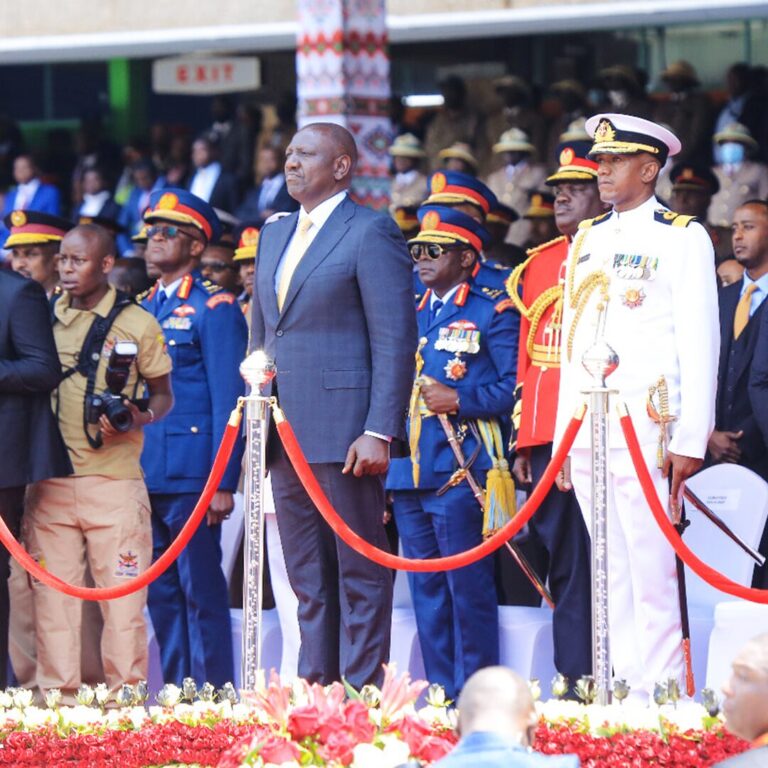
Ruto to Preside Over Historic Madaraka Day in Wajir
President William Ruto will preside over the 62nd Madaraka Day celebrations on 1st June 2026, in Wajir County, marking the first time since independence in 1963 that the national event is being hosted in Northern Kenya. The ceremony will be held at the newly constructed 10,000-seater Wajir Stadium, built by the Kenya Defence Forces at a reported cost of approximately KSh 900 million, with preparations including upgrades to roads and airport facilities ahead of the national event.
This year’s theme, “Education, Skills and the Future”, places youth empowerment, Technical and Vocational Education and Training (TVET), and digital skills development at the centre of the national conversation. President Ruto is expected to deliver the main address, highlighting government investments in education reform, skills-based training, and regional inclusion.
Parliamentary Aisle![]()
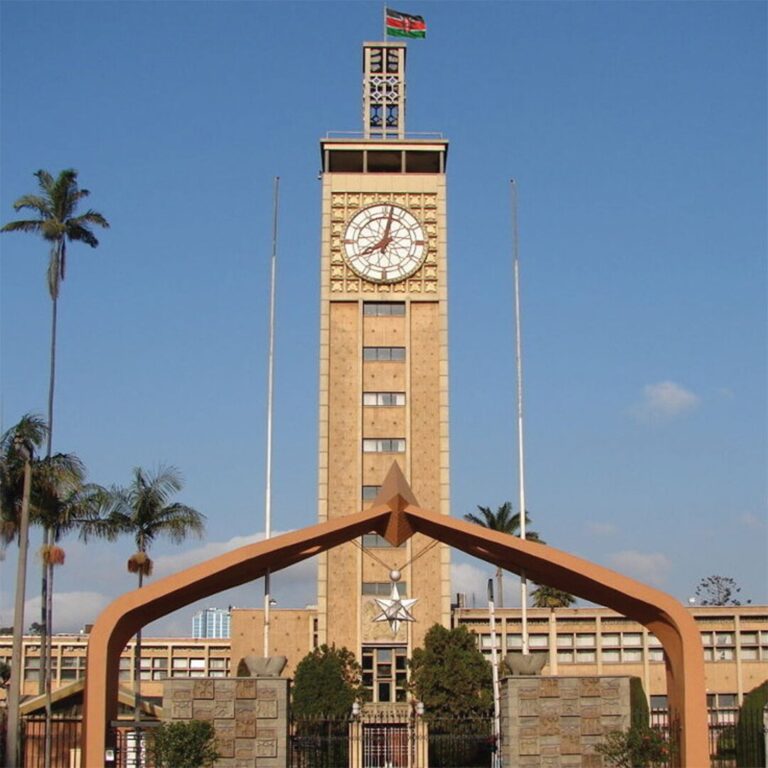
The National Assembly
The National Assembly resumed sittings on 26th May 2026 with the Division of Revenue Bill, the Finance Bill, 2026, and the 2026/27 Budget Estimates dominating the agenda as lawmakers race to finalise the fiscal framework ahead of the new financial year. Members are expected to consider Senate amendments to the Division of Revenue Bill and debate the Budget and Appropriations Committee’s report, shaped by public hearings across 16 counties where citizens called for increased funding for roads, healthcare, water, electricity, education, and youth employment.
The Senate
The Senate broke for recess on 14th May 2026 and will resume on 2nd June 2026.
Corridors ofJustice![]()

Supreme Court to Mention State Appeal on Digital Speech Law
The Supreme Court of Kenya is set to mention SCPT/E007/2026 – The Republic v Bloggers Association of Kenya & State Law Office & 4 Others on 2nd June 2026, bringing back before the apex court a consequential dispute over the constitutionality of Sections 22 and 23 of a digital communications statute. Filed on 15th April 2026, the petition is an appeal by the State seeking to overturn part of the Court of Appeal judgment in Civil Appeal No. 197 of 2020 (Kiage, Muchelule & Korir JJA), which had declared the contested provisions unconstitutional.
At stake is whether the Supreme Court will reinstate the provisions previously upheld by the High Court in HCCHRPET 206 of 2018 (Makau J, RTD) or affirm the appellate finding that struck them down. The 2nd June mention is expected to set directions on timelines for submissions and clarify the scope of issues admitted for determination. Beyond the procedural stage, the case carries broader implications for online expression, prosecutorial authority, and the evolving balance between state regulation and digital civic space as Kenya heads deeper into a politically sensitive cycle.
Talking of Which![]()

Finance Bill, 2026, Heads to Second Reading
With public participation on the Finance Bill, 2026, now concluded, attention turns to the National Assembly as the Finance and National Planning Committee prepares to table its report. A procedural step that could clear the way for the Second Reading debate next week. The report, expected shortly, will reflect stakeholder submissions on proposed revenue-raising measures and determine which amendments survive committee scrutiny before the House engages in full debate.
The next stage is pivotal. Second Reading will move the conversation from public consultation to parliamentary positioning, where lawmakers will weigh fiscal consolidation against economic strain, business competitiveness, and household cost pressures. For businesses, investors, and county governments alike, this phase will signal the likely shape of Kenya’s tax framework for the 2026/27 financial year.
Watch out for![]()

Global Data Festival 2026: Powering Africa’s Data-Driven Future
Nairobi will host the Global Data Festival 2026 from 2nd to 5th June, positioning Kenya at the centre of continental conversations on data governance, space technology, AI innovation, and resilient development. Jointly supported by government and global partners, the festival is themed “Powering Resilience, Innovation, and Partnership through Data and Technology,” and is expected to convene policymakers, tech leaders, researchers, investors, and development actors to examine how data can drive sustainable growth. With sessions tied to space applications, satellite data, climate analytics, agritech intelligence, and AI governance frameworks, Nairobi is positioning itself as a regional hub for data-driven solutions. Observers should watch for partnership announcements, policy signals on data protection and AI regulation, and investment commitments in emerging sectors such as space-tech, digital public infrastructure, and climate resilience.
MovingUp![]()
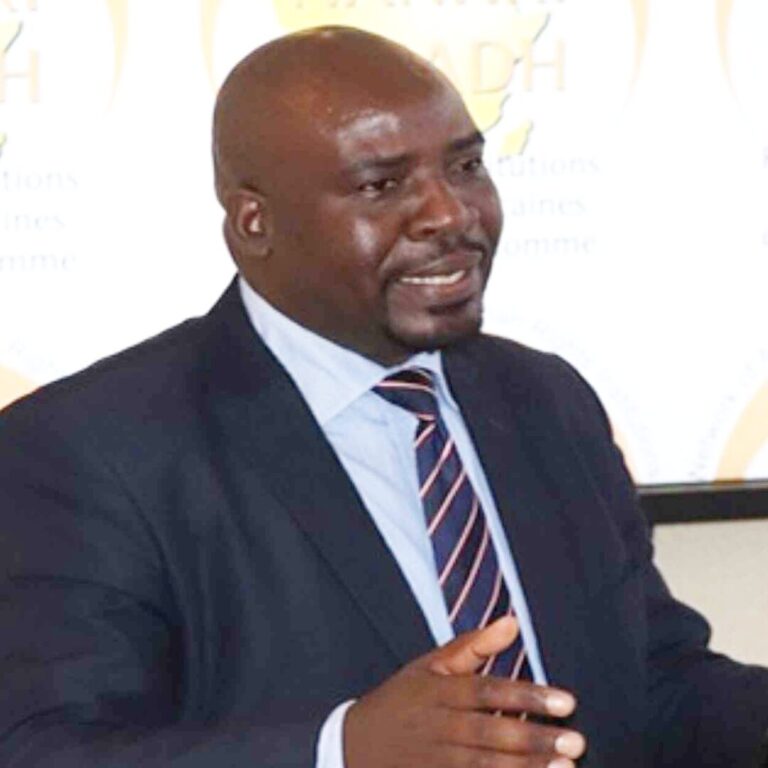
George Morara Executive Director, Amnesty International Kenya
George Morara will assume office as Executive Director of Amnesty International Kenya on 2 June 2026, following an open and competitive recruitment process announced on 28 May 2026. He steps into the leadership of one of Kenya’s most influential rights institutions amid renewed national scrutiny over accountability, civic space, and constitutional order.
Morara brings nearly three decades of leadership in governance reform, public accountability, and rights-based advocacy. He previously served as Vice-Chairperson of the Kenya National Commission on Human Rights, where he was closely involved in advancing constitutionalism, transparency, and the protection of civil liberties. Over the years, he has built a reputation as a principled and strategic voice in Kenya’s public-interest landscape, working across state and non-state institutions to strengthen democratic safeguards.
His appointment follows Irungu Houghton’s tenure, during which Amnesty Kenya transitioned from a national office of the International Secretariat to a membership-driven organisation governed by a national board. Morara assumes the role as Amnesty Kenya continues to engage with police accountability, civic freedoms, and socio-economic justice, issues that remain central to the country’s evolving political climate.
Trained in governance and constitutional oversight, Morara has built his career at the forefront of Kenya’s human rights and accountability landscape. As former Vice-Chairperson of the Kenya National Commission on Human Rights, he played a central role in advancing constitutional implementation, strengthening state accountability, and protecting civic space. Over the years, he has worked across civil society and institutional platforms, engaging government agencies, community networks, and international partners on reform and rights-based advocacy.
As he prepares to take office, Morara inherits an institution with a global footprint and a domestic platform that carries both moral weight and political sensitivity within Kenya’s democratic discourse.