
Today is Tue, 22 Sep 2026


Executive Walkway![]()
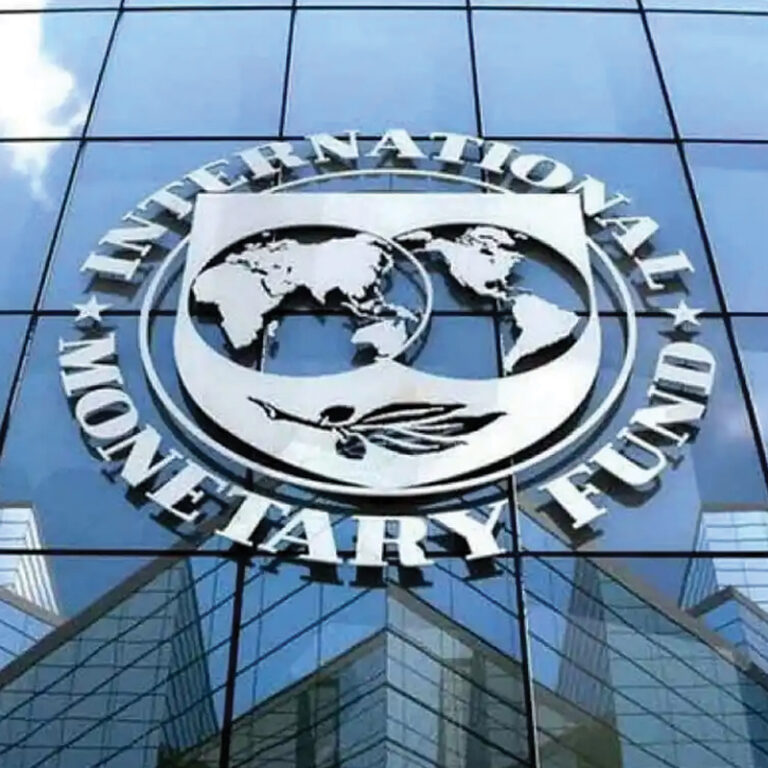
Ruto to Host IMF Talks in Nairobi Following Call for Global Lender Reforms
After a week in New York for the United Nations General Assembly, where President William Ruto called for institutional reforms of international lenders such as the IMF and World Bank over what he described as “unfairness” toward Africa, the president together with National Treasury officials and Cabinet Secretary John Mbadi will this week host an International Monetary Fund (IMF) staff mission in Nairobi.
The IMF delegation, led by Haimanot Teferra, the Fund’s mission chief for Kenya, will meet government officials to open discussions on a possible IMF-supported program. The visit follows a formal request from the Kenyan government.
In March, Kenya and the IMF abandoned the final review of their previous program, which resulted in the government missing out on the last disbursement under the Extended Fund Facility and Extended Credit Facility, an $800 million tranche.
Parliamentary Aisle![]()

Cybercrimes Bill Passed as Parliament Returns With Heavy Agenda
After a month-long recess, both the National Assembly and the Senate have resumed with a packed agenda of bills slated for debate.
In the National Assembly, lawmakers swiftly passed the Computer Misuse and Cybercrimes (Amendment) Bill, 2024, which grants the National Computer and Cybercrimes Coordination Committee (NC4) authority to take down websites and applications engaged in illegal activities. Later this week, MPs will also consider President William Ruto’s reservations to the Cancer Prevention and Control (Amendment) Bill, 2022.
Meanwhile, the Senate will debate the Energy Law (Amendment) Bill, 2025, a proposal that seeks to give county governments greater powers in managing wayleave charges.
Corridors ofJustice![]()

Judiciary Pushes for Dedicated Pension Scheme as Judges’ Benefits Bill Lands in Parliament
The Judiciary is pushing for a dedicated pension and post-retirement benefits framework following complaints raised by judges during this year’s annual magistrates and judges colloquium.
The Judges’ Retirement Benefits Bill, 2025, has now been introduced in the National Assembly after stakeholder consultations between the Judiciary and Parliament. The draft law seeks to move judges of superior courts out of the general Pensions Act and establish a tailored retirement benefits system. It proposes enhanced perks including monthly pensions, gratuities, medical coverage, and diplomatic privileges for retired judges and their spouses.
The bill outlines a funding mechanism where judges would contribute 7.5 percent of their salaries, while the government contributes 15 percent of pensionable pay, drawn directly from the Consolidated Fund.
However, the Salaries and Remuneration Commission (SRC) has objected to the proposal, arguing it infringes on its constitutional mandate to set remuneration and benefits for state officers. The commission also warned the scheme could impose an unsustainable burden on taxpayers, noting the government already struggles to meet public pension obligations.
Talking of Which![]()

Public Input Sought on New Tax and Safety Regulations
The government has opened public participation on two sets of draft regulations that will shape workplace safety fees and digital taxation in Kenya.The Ministry of Labour and Social Protection, through the Directorate of Occupational Safety and Health Services, is reviewing the Occupational Safety and Health (Fees Charged for Occupational Safety and Health Services) Regulations, 2025. The changes, anchored in the Occupational Safety and Health Act, 2007, aim to expand the scope of occupational safety services and align charges with present-day valuation standards. Stakeholders, including employers, workers and the general public, are invited to submit comments by October 13, 2025.
Separately, the Kenya Revenue Authority (KRA) has published the Draft Income Tax (Significant Economic Presence Tax) Regulations, 2025. The proposed framework seeks to provide guidelines for taxing multinationals and digital economy players with significant operations in Kenya. Submissions are open until October 7, 2025, with the draft regulations available on the KRA website.
Watch out for![]()

Magical Kenya Travel Expo 2025 to Unveil Latest Trends in Tourism
The Magical Kenya Travel Expo (MKTE) 2025 will take place from this Wednesday to Friday at the Uhuru Gardens National Monument and Museum in Nairobi.This year’s expo will feature over 350 exhibitors and attract more than 5,000 tourism professionals, providing a vital platform for collaboration, innovation, and new business opportunities across East Africa’s travel sector.Over three days, participants will immerse themselves in seminars, networking, and sector showcases aimed at boosting intra-African linkages, sustainable tourism, and forward-looking strategies.
MovingUp![]()

Edward Ouko Returns to Public Service as Chair of Anti-Money Laundering Advisory Board
Edward Ouko, the former Auditor-General of Kenya, was appointed as the Non-Executive Chairperson of the Anti-Money Laundering Advisory Board for a three-year term effective 19 September 2025.Mr.Ouko first came to national prominence when he was appointed as Kenya’s Auditor-General in August 2011, becoming the first to serve under the expanded mandate of the 2010 Constitution.
Over his eight-year tenure, he established a reputation for fearlessness, producing audits that exposed misuse of billions of shillings at both the national and county levels. His scrutiny of the controversial Eurobond proceeds, worth over KSh 200 billion, placed him at the center of public debate and highlighted his insistence on transparency in public finance management.
Before taking up the Auditor-General role, Mr.Ouko built an extensive international career at the African Development Bank, where he worked for more than two decades in internal audit, integrity, and anti-fraud investigations. This background equipped him with a global perspective on governance and the mechanisms needed to curb financial impropriety.
His integrity and commitment to public accountability have earned him international recognition. In 2024, the Institute of Chartered Accountants in England and Wales awarded him its prestigious Outstanding Achievement Award.
He holds a Bachelor of Commerce degree in Finance and Accounting from the University of Nairobi and is a Fellow of the Institute of Certified Public Accountants of Kenya. He has also served on audit committees of international organizations, including United Nations agencies, and has been active in continental auditor networks such as AFROSAI and AFROSAI-E.