
Today is Mon, 15 Dec 2025


Executive Walkway![]()

Party Time Kicks off as UDA and ODM Gear Up for a Show Down
UDA is set to hold its nominations this September 20th, covering all vacant positions scheduled for the November 27th by-elections. The registration period for aspirants closed on September 5th. Following UDA’s lead, ODM has scheduled its primaries from September 24th to 27th for contested seats. The opposition party has already issued direct tickets to unopposed candidates, including Harrison Kombe for Magarini constituency. The contests will reveal several key indicators. This includes UDA’s grassroots strength, voter sentiment and coalition dynamics. The outcomes in traditional strongholds like Kasipul, Ugunja, and Magarini for ODM, and the ruling party’s performance in contested areas, will provide early signals about the political landscape heading into 2027.
Parliamentary Aisle![]()
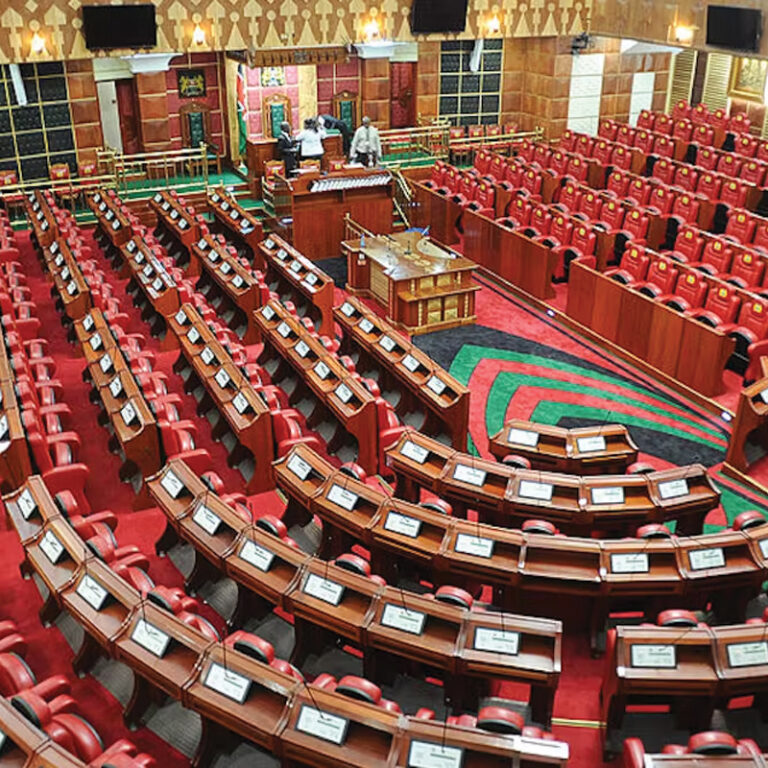
Back to Business as Senate Returns from Recess
The Senate resumes regular sessions this Tuesday September 16th after an extended break. The house interrupted its scheduled break for special sittings to handle the impeachment motion against Kericho Governor Hon. Erick Mutai, who faced his second ouster attempt in less than a year. He survived after 26 senators ruled that the County Assembly’s electronic voting system was questionable, despite ICT Authority confirmation of its security.
With regular sessions resuming, senators will continue to tackle a range of matters of public interest. This includes the Constitution of Kenya (Amendment) Bill, 2025. This legislation seeks to give both Houses joint responsibility for vetting State officers, creating tension between the National Assembly and Senate over constitutional mandates. The Public Finance Management (Amendment) Bill of 2024 is similarly up for debate. This Bill aims to clarify debt thresholds and implement new accounting frameworks, though concerns remain about administrative burdens and practical implementation challenges across government entities. Also in Senate is the motion to install CCTV cameras in police stations and cells. This follows increased reports of human rights violations, abuse, unexplained injuries, and deaths in custody, as well as security breaches and escapes from police cells across the country
Corridors ofJustice![]()

Courts Back in Session
The wheels of justice begin turning once more this Monday, September 15th, as Kenya’s courts return from their annual August recess. The Supreme Court, Court of Appeal, and High Court have been on recess from August 1st. Legal proceedings will now resume across the country.
Talking of Which![]()

International Day of Democracy
Monday September 15th marks the International Day of Democracy. This is a UN recognised observance established in 2007 to promote and uphold democratic principles worldwide. Kenya’s democratic journey has been marked by significant milestones and setbacks since independence in 1963. The country began as a multi-party democracy under founding President Jomo Kenyatta, but transitioned to a de facto one-party state under Daniel arap Moi’s 24-year rule from 1978-2002. The return to multi-party politics in 1991 following domestic and international pressure culminated in the historic 2002 election that saw Mwai Kibaki’s victory, ending KANU’s four-decade regime. However, the disputed 2007 elections triggered post-election violence that claimed over 1,000 lives, leading to constitutional reforms. The 2010 Constitution ushered in devolution, guiding Kenya through subsequent transitions, including the 2022 elections that brought President William Ruto to power. Most recently, the 2024 Gen Z-led protests against the Finance Bill demonstrated both the vitality and fragility of Kenya’s democracy. Kenya’s journey towards a deeper democracy continues to be written
Watch out for![]()

ODPC Workshop on the accession of the Malabo Convention
This week, the Office of the Data Protection Commissioner (ODPC) will host stakeholder consultations on Kenya’s accession to the Malabo Convention. The engagement exercise includes virtual sessions scheduled to take place on Thursday, September 18th and Friday, September 19th 2025. Written submissions are accepted through emails and letters until October 6, 2025. The consultation process aims to gather diverse perspectives on Kenya’s pathway to acceding to the African Union Convention on Cyber Security and Personal Data Protection. For businesses, active participation in these consultations is crucial. Companies can influence how the Malabo Convention will be implemented in Kenya by joining the sessions or submitting detailed comments to malabo-convention@odpc.go.ke. This is an opportunity to shape cybersecurity and data protection regulations before they become binding. Organisations that engage now can better prepare for compliance requirements and potentially influence policies that will govern their digital operations across Africa.
MovingUp![]()

Ralph Opara - MD of Access Bank
Ralph Opara has been appointed as the new Managing Director of Access Bank Kenya, taking up the role in September 2025. He transitions to this leadership position from his role as Group Head of Commercial Banking Division at Access Bank Nigeria, where he oversaw strategy and business development across manufacturing, commerce, hospitality, and construction sectors.
His banking journey began at First Bank of Nigeria in 2000 as a Corporate Finance analyst before moving to Guaranty Trust Bank. At Guaranty Trust, he progressed from Relationship Manager to Zonal Head over nearly nine years, focusing on public sector business across oil and gas, telecommunications, power, and pensions sectors. In 2011, Opara took a career break to pursue an MSc in International Development from the University of Birmingham, earning distinction.
Upon returning to Nigeria, he rejoined Guaranty Trust as Zonal Head of Commercial Banking before transitioning to Access Bank in 2014. His role at Access Bank included managing specialized international desks serving Chinese, German, and Dutch clients in partnership with Development Financial Institutions. Opara holds multiple qualifications including a Bachelor’s degree in Banking and Finance from the University of Nigeria, Nsukka, an MBA from the same institution, and a Postgraduate Diploma in Digital Business from Emeritus with distinction. Since January 2020, he has served as Non-Executive Director at Access Bank RDC, providing strategic input on risk management and business growth.