

Senate Pushes for Inclusive Environmental Regulations as Ministry Unveils Seven New Frameworks
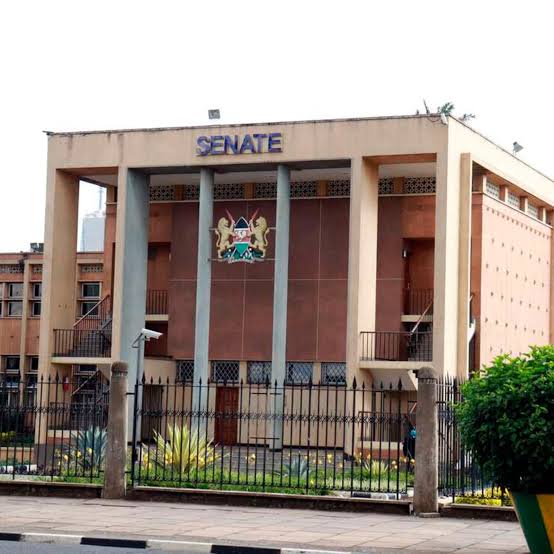
At a consultative retreat in Mombasa County, the Senate Committee on Delegated Legislation met with Environment, Climate Change, and Forestry Cabinet Secretary Dr. Deborah Barasa to deliberate on seven proposed environmental regulations. The proposed rules cover major legal frameworks, including the Climate Change Act (Cap. 387A), the Environmental Management and Coordination Act (Cap. 387), and the Forest Conservation and Management Act (Cap. 385).
Dr. Barasa presented a suite of measures designed to balance conservation imperatives with socio-economic growth:
- Climate Change (Carbon Trading) Regulations, 2026.
- Climate Change (National Carbon Registry) Regulations, 2026.
- EMCA (Conservation and Management of Wetlands) Regulations, 2026.
- EMCA (Strategic and Integrated Environmental Impact Assessments and Audits) Regulations, 2026.
- Forest Conservation and Management (Concessions on Public Forest) Regulations, 2026.
- Forest Conservation and Management (Charcoal) Regulations, 2026.
- Forest Conservation and Management (Participation in Sustainable Forest Management) Regulations, 2026.
The Ministry emphasised that these measures aim to promote transparency, accountability, and multi-stakeholder participation across forest, wetland, and carbon markets.
Key Parliamentary Concerns & Recommendations
- Devolution & County Autonomy: Senators cautioned against regulatory provisions that could bypass County Governments or undermine the authority of Governors. They urged the Ministry to respect Kenya’s dual-tier governance system by ensuring that local county administrations remain key partners in implementation.
- Carbon Registry Integrity: Recognising the potential risks in emerging carbon markets, lawmakers advocated stronger oversight of the National Carbon Registry, particularly regarding the power to suspend project accounts to protect system integrity.
- Legislative Clarity: The Committee recommended tightening the draft language, for example by replacing permissive terms such as “may” with mandatory directives such as “shall” in Regulation 12(4) to remove legal ambiguities.
- Public Participation: Emphasising community-level impact, the Senate called for comprehensive consultations with local communities, county leaders, and sector experts before gazettement.
The Committee agreed to continue reviewing the proposals and urged the Ministry to integrate legislative feedback, ensuring that the final legal framework supports sustainable resource management and safeguards public interests.