

Safaricom, Vodacom Launch Tap-to-Pay M-Pesa in Tanzania
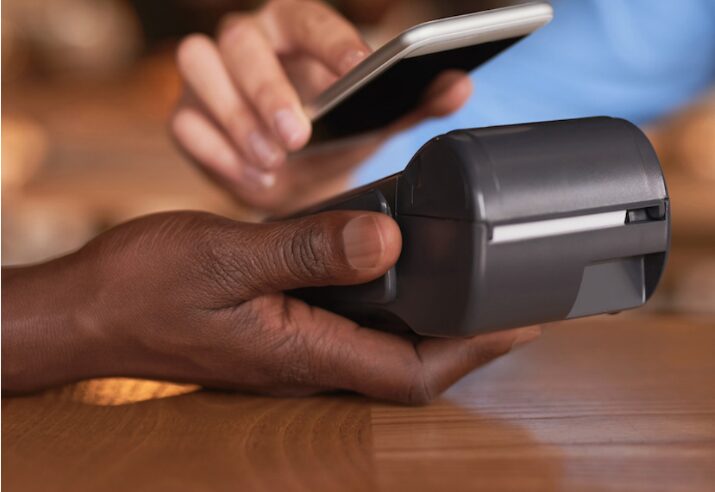
Safaricom and Vodacom have jointly introduced a tap-to-pay feature for M-Pesa in Tanzania, signifying a major shift in the development of mobile money transfers from peer-to-peer to a fully integrated digital payments infrastructure. The feature allows users to make contactless payments at point-of-sale terminals using their smartphones. This positions M-Pesa more prominently within the international card payments network.
At the centre of the rollout is a partnership with Visa, which allows M-Pesa wallets to create a virtual, tokenised card. This card can be used to “tap” and pay at any Visa-enabled merchant terminal, eliminating the need for a physical debit or credit card. Tokenisation swaps sensitive card details for secure digital identifiers, lowering fraud risks while enabling seamless transactions.
The service is currently accessible on Android smartphones equipped with near-field communication technology, enabling users to simply hold their devices near a payment terminal to complete transactions. This effectively replicates the functionality of contactless bank cards and mobile wallets such as Apple Pay or Google Pay, but is integrated within the M-Pesa ecosystem.
Strategically, the launch is positioned as the first mobile-money-based tap-to-pay solution in Africa. It indicates a merging of telecom-led financial services and conventional card networks, an area that has historically remained separate. By integrating card functionality into mobile wallets, Safaricom and Vodacom are broadening M-Pesa’s use beyond transfers and bill payments into everyday retail transactions.
The development builds on earlier upgrades within the M-Pesa Global Payments platform, which already facilitates cross-border transactions through integrations with partners such as Visa, Alipay, TerraPay, and MTN. These integrations enable users to pay international merchants, including those in China and the United Arab Emirates, directly from their mobile wallets. The tap-to-pay feature expands this functionality into physical retail environments, both locally and internationally.
From a market perspective, the move reflects a broader push to digitise payment ecosystems in East Africa. M-Pesa, originally launched in 2007 as a mobile money transfer service, has evolved into a comprehensive financial platform serving millions of users across multiple countries. The addition of contactless payments enhances its competitiveness against banks and fintech platforms while reinforcing its role as a vital financial infrastructure.
For merchants, the system lowers barriers to accepting digital payments by leveraging existing Visa point-of-sale infrastructure, avoiding the need for specialised M-Pesa-only hardware. For consumers, it decreases reliance on cash and physical cards, aligning with global trends towards mobile-first commerce.
Overall, the Safaricom–Vodacom initiative represents a structural shift in Africa’s payments landscape. By integrating mobile money with global card networks and contactless technology, it advances financial inclusion while modernising the way everyday transactions are conducted across the region.