

Road Ahead: DTB’s 2026 Economic Outlook
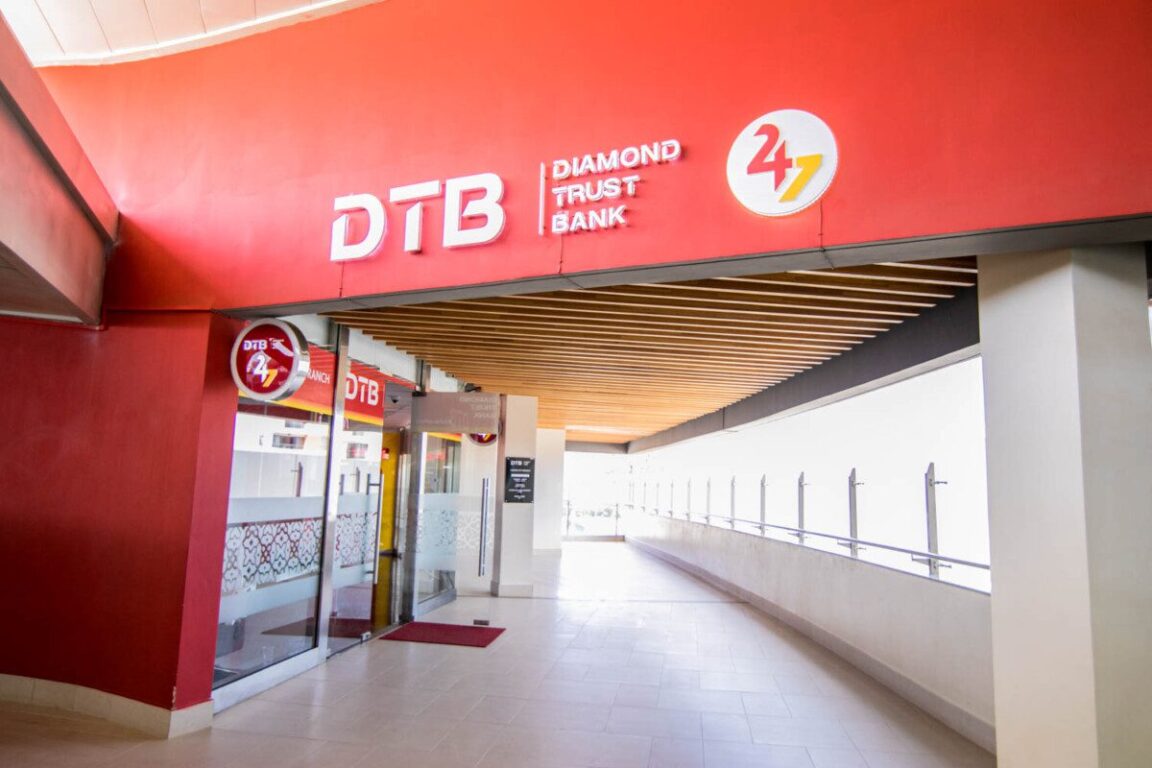
Diamond Trust Bank (DTB) recently released its Kenya Economic Outlook, 2026 (the Outlook), themed “Resilient recovery amid lingering global & fiscal risks.”
DTB predicted Kenya’s growth outlook for 2026 to accelerate to 5.3%, faster than the estimated 4.9% in 2025. The bank predicts short-term growth will be underpinned by a recovery in domestic demand, low inflation, improved financial conditions, and targeted government spending. Renewed access to international capital markets and effective public-sector divestitures are critical in financing this spending while keeping public debt growth manageable.
The Outlook also projects gradual acceleration in household incomes and spending, especially among higher-income households, who are expected to lead spending driven by equity and bond prices. Unlike the high-income households, general consumers are expected to remain cautious and value-driven, prioritising essentials, as incomes recover slowly.
On the fiscal landscape, the Outlook notes that public debt remains stabilised at a high of 68% of the total GDP, which continues to exert pressure on public finances, accounting for nearly 40% of total expenditure over the last three years. The constrained fiscal space has led the government to focus on tax reforms, including alternative tax revenue measures and widening the tax base. The Outlook, however, notes that government development spending will widen the tax deficit by 0.6% to 4.7% in 2025. Businesses are expected to contribute by creating jobs, which would gradually raise household incomes, expand the consumer base, and, in turn, enhance tax revenues.
Industry and Services Focus
As noted above, there is a policy shift towards development spending. The Outlook projects that the construction sector will remain a key engine of growth, supported by increased infrastructure and housing investments. The Outlook highlights that the government plans to spend over KSh 500 billion in FY2026/27 on roads, partly funded by the KSh 204 billion Safaricom partial divestiture and the expected KSh 160 billion from the privatisation of the Kenya Pipeline (KPC).
It is due to increased infrastructure development that the Outlook forecasts the manufacturing sector will achieve modest gains, with growth accelerating from 2.0% to 2.4% in 2026. Additionally, the mining sector is expected to gain momentum from intensified exploration and gold extraction across various parts of the country. The energy sector will, as a result of these spillover activities, show an increase.
Trade services are expected to grow as consumer spending rises, driven by higher household incomes. The Outlook notes that growth is projected to accelerate to about 6.0% in 2026, highlighting the extension of the African Growth and Opportunity Act with the US as a factor that will support exports and investments.
According to the Outlook, agriculture is expected to maintain steady growth, supported by ongoing government subsidies, productivity improvements from enhanced farming practices and seed varieties. Growth in trade, construction, and manufacturing is also anticipated to boost transport and logistics in 2026. This growth is expected to be further driven by international travel, with the Outlook forecasting a 10% increase in tourist arrivals, and the relocation of some United Nations (UN) offices to Nairobi is projected to boost business and diplomatic travel.
Inflation is expected to increase in 2026 by holding below the 5.0% midpoint at an average of 4.8%, which is higher than the 4.1% average in 2025. Extension of the African Growth and Opportunity (AGOA) and improved export growth may impact the stability of the shilling, which has been trading within a narrow range of KSh 128.50-KSh130.50 against the US dollar in 2025.
Risks and Disruptions
The Outlook highlights several risks, including limited fiscal space, a volatile global environment, and heightened exposure to climate-related shocks. It also notes that anticipated political developments ahead of the 2027 general elections may disturb business confidence and reduce consumer spending. However, it mentions that political disruptions are expected to be minimal.