

Political and Regulatory Shifts Shaping Carbon Markets: The Case of Koko Networks
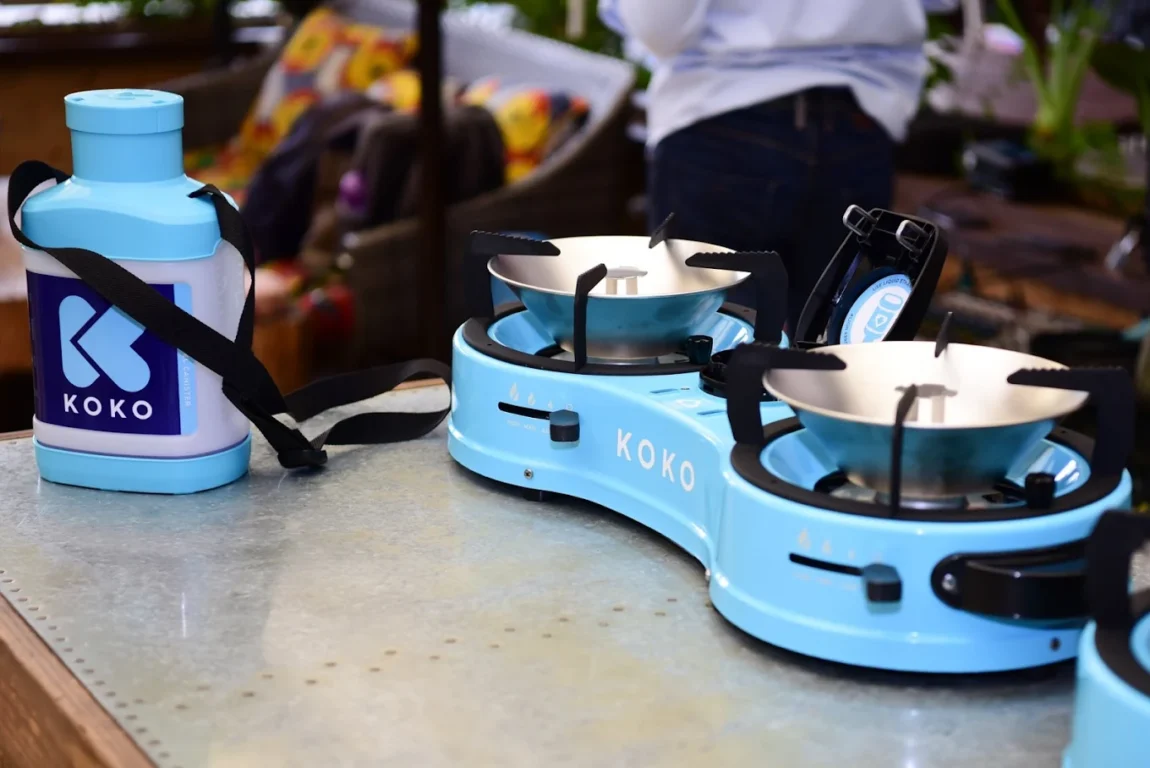
Koko Networks abruptly stopped its operations in Kenya and placed its entities under administration. This will affect hundreds of thousands of households that relied on its subsidised bioethanol cooking fuel, as well as the livelihoods of about 700 of its employees.
Although Koko had secured substantial international backing, including equity and debt from climate-focused investors and a US$179.6 million political risk guarantee from the World Bank’s Multilateral Investment Guarantee Agency (MIGA), its business model ultimately depended on obtaining formal authorisation from the Kenyan government to export and sell carbon credits.
From Voluntary Standards to Legal Compliance: The Role of the Letter of Authorisation in Koko’s Collapse
Under the Climate Change (Carbon Markets) Regulations, 2024, a Letter of Authorisation (LoA) is an official approval from Kenya’s Designated National Authority (DNA) that permits the sale or transfer of carbon credits internationally. While the DNA issues the letter, the ultimate authority rests with the Cabinet Secretary in the Ministry of Environment, Climate Change and Forestry, acting on advice from the Climate Change Directorate. Even so, the awarding of a LoA is discretionary.
In deciding whether to grant authorisation, the authorities assess factors such as how the project aligns with Kenya’s sustainable development priorities and supports national climate targets.
In this case, Koko Networks’ business model depended on revenue from selling carbon credits to subsidise bioethanol fuel. The company had built one of Kenya’s largest clean-cooking fuel networks, generating emissions reductions by replacing charcoal and kerosene with bioethanol. These reductions were intended to be monetised through international carbon credit sales, covering high upfront costs and keeping fuel prices affordable. Without a LoA, this key revenue stream was blocked, undermining the network’s financial sustainability.
This was, however, not always the case. When Koko first launched in Kenya in 2017, the regulatory environment was quite different. Kenya had no dedicated carbon market law, and voluntary international standards largely governed carbon projects. The Climate Change Act of 2016 provided a broad framework for climate policy but did not specifically regulate carbon trading, credit authorisation, benefit sharing or participation in international markets. Many early projects operated under standards such as the Clean Development Mechanism (CDM) or private bodies like Verra, with credits issued offshore and minimal oversight from Kenyan authorities.
This changed with the gazetting of the Climate Change (Carbon Markets) Regulations under Legal Notice 84 of 2024. The rules require that the Kenyan government approve any international transfer of carbon credits through a LoA. The regulations were designed not only to regulate domestic carbon projects but also to align Kenya with Article 6 of the Paris Agreement, which governs internationally transferred mitigation outcomes (ITMOs). Under Article 6, credits transferred internationally must be authorised by the host country to avoid double-counting, meet environmental integrity standards, and comply with reporting and transparency obligations.
As a result, Koko’s business model came to hinge on securing an LoA; without it, the company could not legally monetise its emissions reductions. In effect, the regulations shifted carbon projects from a largely voluntary, lightly regulated space into a regime requiring explicit government approval for all international transactions. And similar dynamics have emerged in other markets, though not in the same form.
Political Hurdles for Private Carbon Projects
While not strictly a refusal of a specific company’s request, countries like Indonesia imposed a temporary halt on international carbon credit trading as they revised their regulatory frameworks and priorities. This effectively blocked private project developers from exporting credits for several years.
Some other countries have publicly stated that they will not grant authorisations to export carbon credits under Article 6 mechanisms. For example, jurisdictions such as Australia and Portugal have indicated they do not intend to authorise credit exports, meaning private climate projects in those countries cannot obtain the necessary government authorisation to participate in Article 6 trading.
At the international level, debates at COP negotiations have shown that requirements for host-country authorisations can create barriers to private participation. Disagreements over whether private companies must secure host authorisations for secondary trading and whether host countries can revoke authorisations have complicated the development of workable frameworks.
The discretionary nature of LoAs carries significant implications for governments, carbon markets, and private project developers. For governments, the ability to approve or deny international carbon credit transfers allows them to safeguard domestic climate targets and maintain regulatory control over carbon markets. At the same time, this discretion introduces potential political risk: unpredictable or opaque authorisation processes can reduce investor confidence and slow the flow of carbon finance.
For the carbon market, more broadly, delays or denials of authorisations limit liquidity and raise the risk profile of credits originating from certain jurisdictions. Market participants must account for this uncertainty, which can affect pricing and the overall stability of international carbon trading.
For companies like Koko Networks, these risks were not theoretical. The company’s business model relied heavily on revenue from the sale of carbon credits internationally, which subsidised the distribution of bioethanol fuel and covered high upfront costs. Although the US$179.6 million political risk guarantee from the World Bank’s MIGA provided a layer of protection against certain political and regulatory uncertainties, it could not replace the fundamental need for a LoA.
Conclusion
The Koko case underscores the importance of private developers in emerging carbon markets to proactively de-risk their operations proactively. Beyond political risk insurance, developers may consider strategies such as engaging early with national authorities, aligning projects closely with government climate and development priorities and diversifying revenue streams to reduce dependence on international credit sales. By doing so, companies can better navigate the regulatory uncertainties inherent in host-country authorisation processes and protect the financial viability of carbon-dependent business models.