

Pain at the Pump: How Global Shocks Are Driving Kenya’s Fuel Crisis
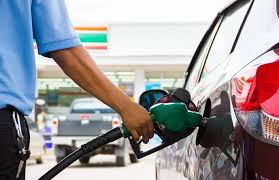
Kenyan motorists are confronting record-breaking fuel prices, with the latest Energy and Petroleum Regulatory Authority (EPRA) review pushing pump costs to historic highs and deepening pressure on households, businesses, and the broader economy. In the May 15 to June 14, 2026 pricing cycle, the price of super petrol in Nairobi rose by KSh16.65 to KSh214.25 per litre. At the same time, diesel surged by KSh46.29 to KSh242.92 per litre – the highest ever recorded in the country. Kerosene prices remained relatively stable at about KSh152.78 per litre, offering little consolation to consumers already struggling with rising living costs.
The latest adjustments followed another steep increase in the previous cycle, when petrol rose by nearly KSh29 and diesel by more than KSh40, effectively pushing fuel prices far beyond the psychologically significant KSh200 mark. Long queues formed at petrol stations before the hikes took effect, reflecting growing anxiety among motorists, transport operators, and businesses trying to cushion themselves from escalating costs.
Global Oil Turbulence and Kenya’s Import Dependence
At the centre of the crisis is a volatile global oil market. International crude prices have surged sharply amid geopolitical tensions in the Middle East, including instability involving Iran and concerns over global supply disruptions. Brent crude reportedly climbed above $107 per barrel, significantly increasing the cost of imported fuel. Kenya, which imports all its refined petroleum products, remains highly vulnerable to such external shocks because it lacks domestic refining capacity that could help moderate price swings.
The landed cost of imported fuel has consequently risen dramatically, in some cases by nearly 70 percent within a single pricing cycle. A weakening Kenyan shilling has compounded the problem by making imports more expensive, while disruptions in global shipping routes have added additional logistics premiums.
Taxes and levies also continue to play a major role in determining pump prices. Fuel in Kenya carries multiple charges, including excise duty, VAT, road maintenance levy, railway development levy, and merchant shipping fees. Although the government has reduced VAT in some cases and introduced stabilization subsidies estimated at around KSh5 billion for diesel and kerosene, the interventions have not been sufficient to offset the magnitude of global price increases.
Rising Costs Across the Economy
EPRA’s pricing mechanism, which reviews prices monthly based on international oil prices, exchange rates, taxes, and distribution costs, has also attracted criticism. Consumer groups and opposition leaders argue that the system often responds faster to global price increases than to declines, leaving Kenyans paying elevated prices even when international markets soften.
The economic effects are already rippling across sectors. Inflation climbed to about 5.6 percent in April 2026, with fuel costs emerging as one of the primary drivers. Transport fares have increased sharply, with some matatu operators reportedly considering fare hikes of up to 50 percent. For millions of urban workers who rely on public transport daily, commuting costs are rapidly consuming larger portions of household income.
Businesses are equally affected. Manufacturers face higher distribution and production expenses, while farmers are grappling with rising diesel costs for transportation, irrigation, and machinery operations. Small and medium-sized enterprises, many of which operate on thin margins, are among the hardest hit. International financial institutions, including the IMF, have cited high energy costs among the factors weighing on Kenya’s economic growth outlook.
Policy Pressure and Public Frustration
The government maintains that some of the tax burden is necessary to finance infrastructure and development projects. President William Ruto has previously linked higher fuel costs to Kenya’s broader economic transition and development ambitions. However, frustration among consumers continues to grow, especially as neighbouring countries in East Africa maintain comparatively lower pump prices.
The fuel crisis is also reviving debate about Kenya’s long-term energy strategy. Analysts argue that sustained high prices could accelerate investment in electric vehicles, renewable energy, energy-efficient transport systems, and even discussions around reviving local refining capacity. Some policymakers have proposed more frequent fuel price reviews during periods of volatility, while others are calling for broader reforms to cushion consumers from external shocks.
An Uncertain Road Ahead
For now, the outlook remains uncertain. Continued instability in global oil markets and persistent pressure on the Kenyan shilling could keep fuel prices elevated in the coming months. As households adjust spending, businesses revise prices, and transport operators pass costs to commuters, the effects of expensive fuel are increasingly becoming a defining feature of Kenya’s broader cost-of-living crisis.