

No Drugs, No Pay: How Kenya’s Digital Health Rails Are Reshaping SHA Claims & Hospital Liquidity
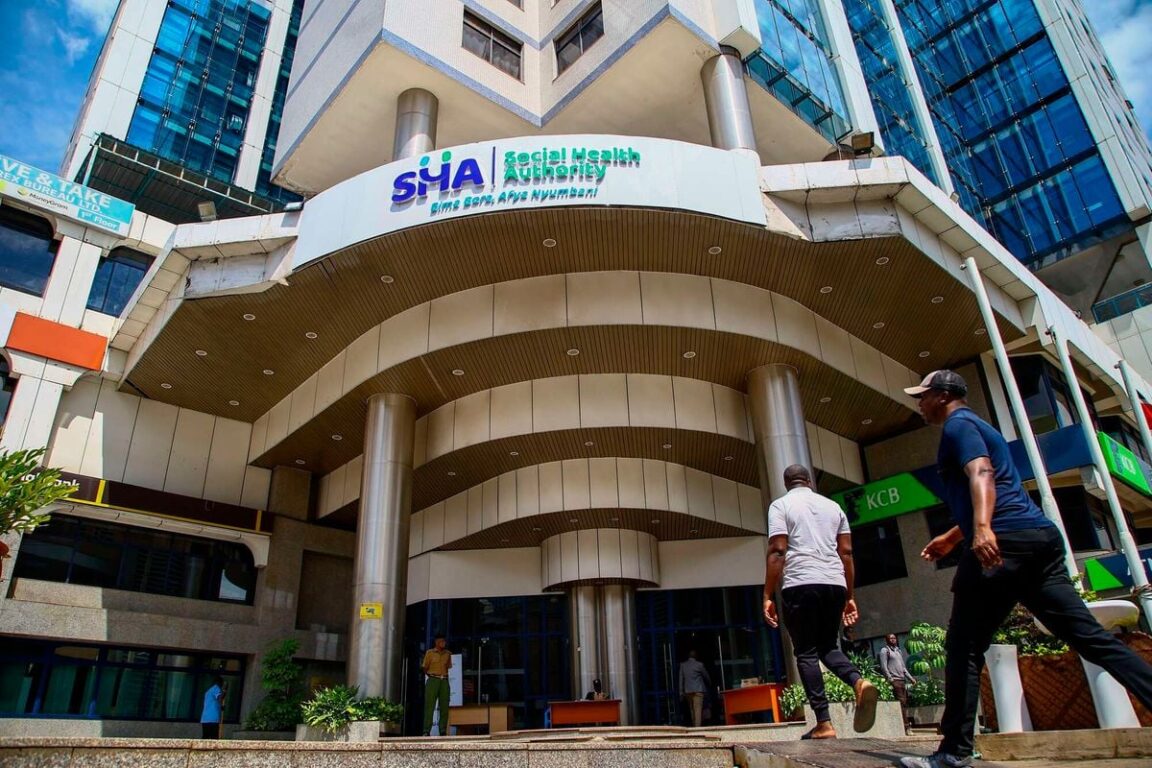
Kenya’s healthcare financing transition has entered a stricter enforcement phase. On 10 November 2026, Health Cabinet Secretary Aden Duale announced the activation of an automated verification control by the Social Health Authority (SHA) and the Digital Health Agency (DHA).
The new system withholds hospital reimbursements whenever patients do not receive their prescribed medication.
The rule is supported by real-time SMS alerts sent directly to patients when medicines are dispensed. The “no drugs, no pay” policy highlights how Nairobi is using digital infrastructure to tighten oversight of hospital billing. It also signals that cashflow management is emerging as a defining boardroom risk for Kenyan hospitals.
From Manual Billing to Real-Time Telemetry
Over the past year, the Ministry of Health has deployed more than 42,000 digital devices across public, faith-based, and private facilities to support Taifa Care’s biometric verification and electronic claims submission. The operational impact is already evident in SHA’s claims ledger. Of the KSh 40.91 billion in claims lodged by 8,349 facilities through mid-2026, SHA cleared KSh 27.91 billion (an average county settlement rate of 80.5%) and rejected KSh 3.4 billion for compliance discrepancies, returning billions more for documentation corrections.
The new DHA dispensing verification closes a major loophole: facilities can no longer bill SHA for outpatient or inpatient packages while redirecting patients to purchase medication out of pocket from external retail pharmacies. By linking electronic medical records (EMRs), biometric check-ins, and patient-confirmed SMS receipts, SHA is shifting claims adjudication from retrospective paper audits to automated pre-payment validation.
The Provider Liquidity Squeeze
While the anti-fraud rationale is sound, tighter digital gatekeeping comes at a time when many private and faith-based hospitals still face severe working-capital strain. Facilities across Nairobi, Nakuru, Kiambu, and Mombasa continue to manage legacy arrears inherited from the defunct National Health Insurance Fund (NHIF). Although the National Treasury released KSh 4.4 billion to settle verified NHIF claims of KSh 10 million or less, larger legacy balances remain under review, with documentation still being verified and funds yet to be allocated.
For hospital operators, this creates a tight liquidity squeeze. Delayed or rejected claims directly erode working capital needed to stock hospital pharmacies, yet under the new DHA rule, any stockout that prevents dispensing automatically blocks reimbursement for the visit.
Strategic Implications for Healthcare Operators
For private hospital groups, pharmaceutical suppliers, and health-tech vendors, compliance architecture is now integral to revenue assurance. Providers must integrate hospital management information systems (HMIS) directly with DHA APIs, enforce strict synchronisation between clinical prescriptions and pharmacy stock, and maintain audit-ready documentation at discharge.
Meanwhile, pharmaceutical distributors and medical-supply financiers face rising credit risk at mid-tier Level 4 facilities that lack the balance-sheet buffer to absorb rejected SHA claims, making vendor-managed inventory and working-capital partnerships critical across Kenya’s evolving health market.