

New Guide Promotes Safe, Inclusive and Child-Friendly Public Space
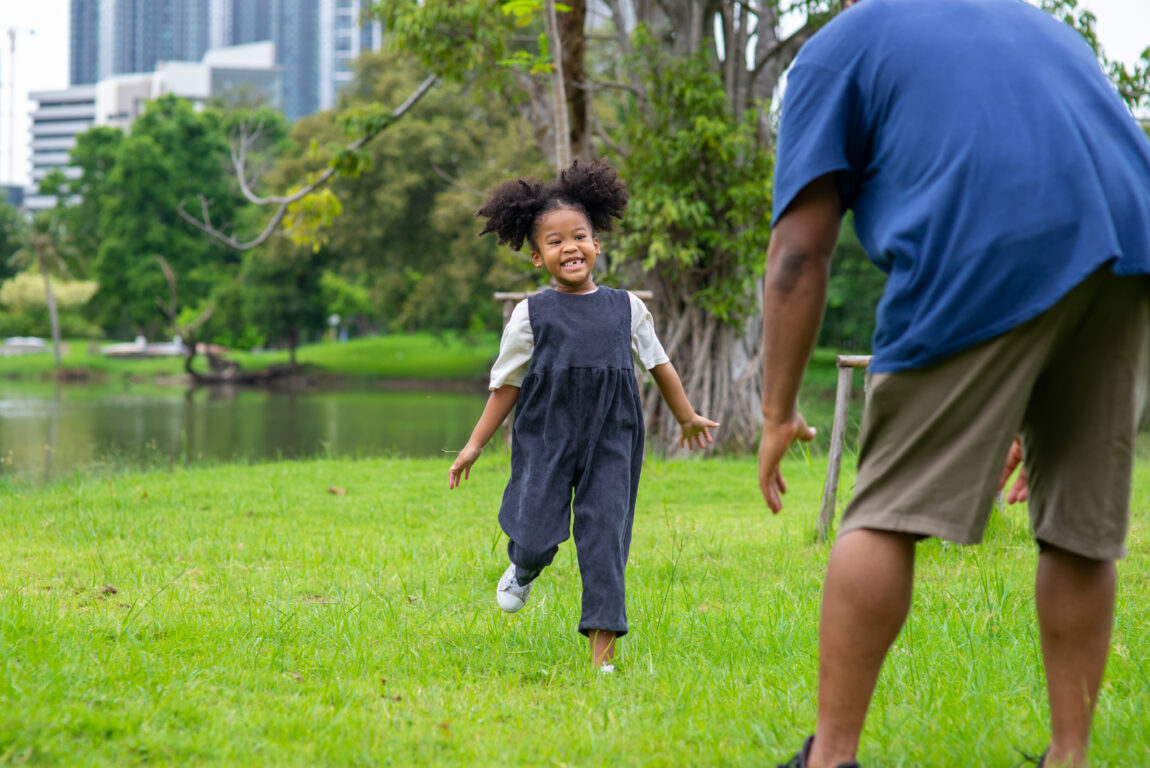
As cities continue to expand, safe public spaces where children can play, move and connect are increasingly disappearing. A new global guide released today by the World Health Organisation (WHO), UNICEF and UN-Habitat urges governments and city leaders to place children at the centre of urban design, emphasising that public spaces are vital to children’s health, development and well-being. The guide offers practical, evidence-based guidance to support cities in creating streets, parks and public places that are safer, more inclusive and more resilient, while advancing equity, climate action and healthier urban living for all.
Globally, only 44 per cent of urban residents live within close proximity to an open public space, a figure that falls to just 30 per cent in low- and middle-income countries. Millions of children living in towns and cities continue to lack access to such spaces. Pollution, traffic congestion, overcrowding and climate-related hazards increasingly restrict children’s ability to move freely, play and thrive. By contrast, well-designed public spaces enable children to move, play, learn and engage safely with nature.
“Access to safe, inclusive public space is directly linked to children’s health, development, learning and social connections, and is a child’s right,” said Dr Etienne Krug, Director of the WHO Department for Health Determinants, Promotion and Prevention.
The Guide to Creating Urban Public Spaces for Children aims to support governments, urban planners and partners in developing and improving safe, inclusive and child-friendly public spaces. It draws on global evidence, expert contributions, consultations with children, and examples from cities across diverse contexts.
“This guide demonstrates how child-centred urban design can fulfil the right to play and accelerate progress towards safe and accessible public spaces for everyone by 2030,” said Dr Nathalie Roebbel, Technical Lead for Urban Health at the WHO Department for Health Determinants, Promotion and Prevention.
The guide introduces the SPACES framework, built around six core principles: Safety, Play, Access, Child Health, Equity and Sustainability. It provides practical guidance and tools to support the planning, design and management of public spaces.
Key calls to action outlined in the guide include: reducing safety risks through traffic-calming measures, safe crossings, well-lit pathways, and secure routes to schools, parks and play areas; embedding play opportunities across all types of public spaces, including streets, courtyards, neighbourhood areas and public facilities; prioritising access where needs are greatest by using mapping and spatial assessments to guide planning and investment in low-income, high-density and informal settlements; meeting environmental and health standards by ensuring clean air, shade, cooling, safe materials, effective waste management and protection from climate-related hazards; promoting equity and inclusion through universal design, community participation and the removal of social, gender and physical barriers that limit children’s access; and strengthening sustainability and resilience by expanding green and blue infrastructure, revitalising underused land, and integrating child-friendly public spaces into climate and resilience strategies.
More than 55 per cent of the world’s population currently lives in urban areas, a proportion expected to rise to 68 per cent by 2050. As most future urban growth will occur in developing countries, there is a critical opportunity to shape urban development in ways that protect health and promote well-being for current and future generations.
(Source: World Health Organisation)