

Kenya’s Transition from Clean Energy to Economic Opportunity
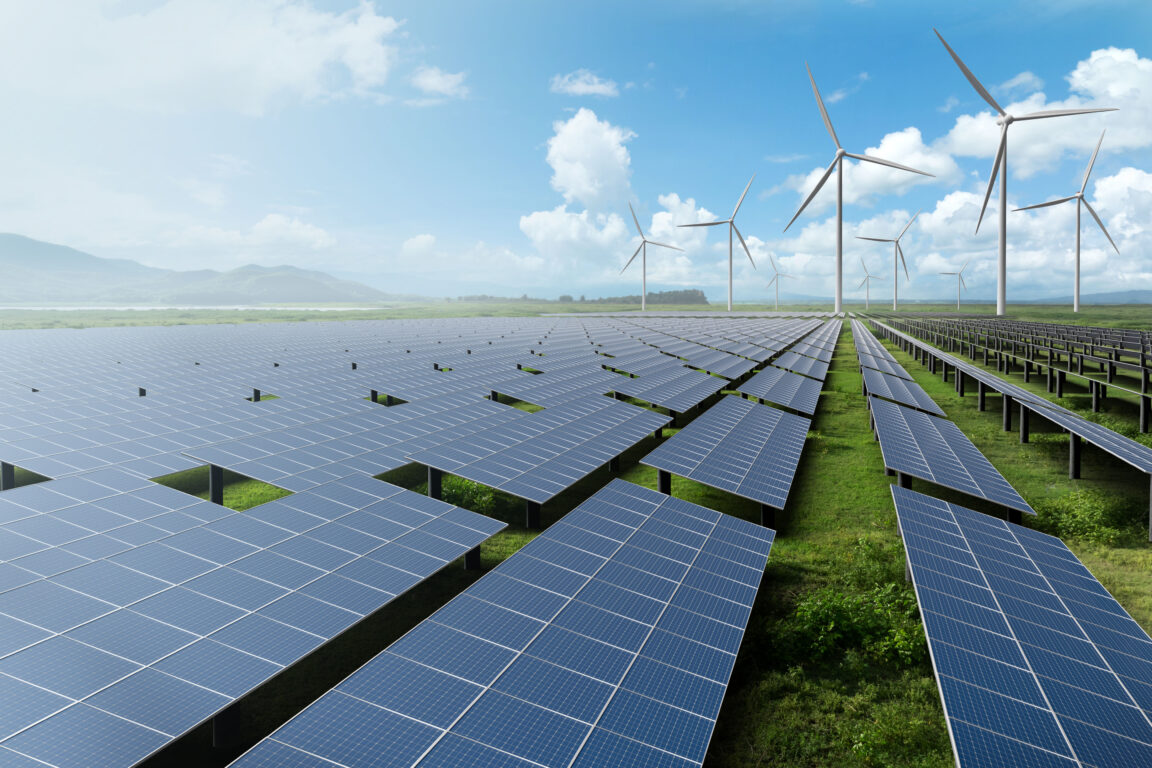
In Africa, Kenya has one of the strongest renewable energy foundations. Geothermal, hydro and wind are major contributors to electricity generation, with geothermal accounting for 39.51%, followed by hydro at 24.21% and wind at 13.18% in 2025.
The International Energy Agency notes that Kenya’s renewable-energy potential and skilled workforce position the country to attract green industry. Coordinated investment by government and the private sector could support economic growth, employment and the production of low-carbon goods. A solar installation on a farm can power irrigation and cold storage. Electricity from geothermal plants can support manufacturing, while solar systems can enable businesses where grid supply remains limited.
As companies increasingly consider the carbon intensity of their supply chains and investors place greater emphasis on environmental performance, access to reliable renewable electricity could make Kenya more attractive for green investment.
Clean energy can therefore be positioned not only as an environmental asset, but also as an industrial and investment asset.
Contribution to the Electricity System
Developed about 600 kilometres from Nairobi, the 310 MW Lake Turkana Wind Power project demonstrates the scale at which renewable energy can contribute to Kenya’s electricity system. It also offers an important lesson on what a successful energy transition should look like.
Renewable infrastructure can bring investment and electricity to the national system, but communities around these projects also need tangible benefits. Research on the Lake Turkana project has raised concerns about neighbouring pastoralist communities remaining economically and socially marginalised despite renewable infrastructure being developed on their land.
The success of renewable projects should therefore be measured not only by megawatt output, but also by whether communities can participate, earn income, develop businesses and benefit from investment.
The Financing Gap
Renewable generation is only one part of the infrastructure required. Transmission lines, distribution networks, storage systems, mini-grids and decentralised energy solutions all require significant capital.
Kenya’s energy transition and investment pathway estimates that achieving a net-zero energy pathway could require around US$600 billion in capital investment, much of it directed towards power and transport. It also identifies potential for the transition to create additional employment.
Financing needs vary widely: a small solar business, a geothermal project, a farmer purchasing irrigation equipment, and a company investing in electric vehicles all require different financial products. The challenge is therefore not simply to mobilise more capital, but to make it accessible to businesses and communities that can turn clean-energy technologies into economic activity.
Taking Clean Energy to Rural Kenya
For rural communities, energy access can have an immediate economic impact. Electricity can enable longer business hours and power refrigeration, irrigation, welding, water systems and digital services. The value of electrification lies not simply in providing a household with light, but in what that electricity enables people and businesses to do.
Cleaner cooking technologies can also reduce reliance on traditional fuels while creating new markets for affordable technologies and distribution solutions. Kenya’s transition is therefore about more than how electricity is generated; it is about how energy is produced, distributed, consumed and used to create value.
A Just Energy Transition
If the benefits of clean energy flow mainly to corporations, urban consumers and investors while host communities remain excluded, Kenya could achieve a cleaner energy system without a fairer one.
Communities should have a voice in projects developed around them, while local businesses should have opportunities to participate in supply chains. Workers need the skills required for emerging industries, and consumers should be able to access clean energy at affordable prices.
The Road Ahead
Kenya’s clean-energy transition should be measured not only by how much renewable electricity it generates, but by how effectively that energy translates into economic opportunity.
Communities must be part of the transition, not simply locations for renewable projects. The country’s geothermal fields, wind corridors, solar potential and hydropower resources can support manufacturing, agriculture, digital businesses, transport, investment and employment.
The opportunity is to make clean energy a foundation for broad-based economic growth — delivering not only a lower-carbon economy, but a more productive, inclusive and resilient one.