

Kenya Switches to Single-Dose HPV Vaccine to Boost Uptake
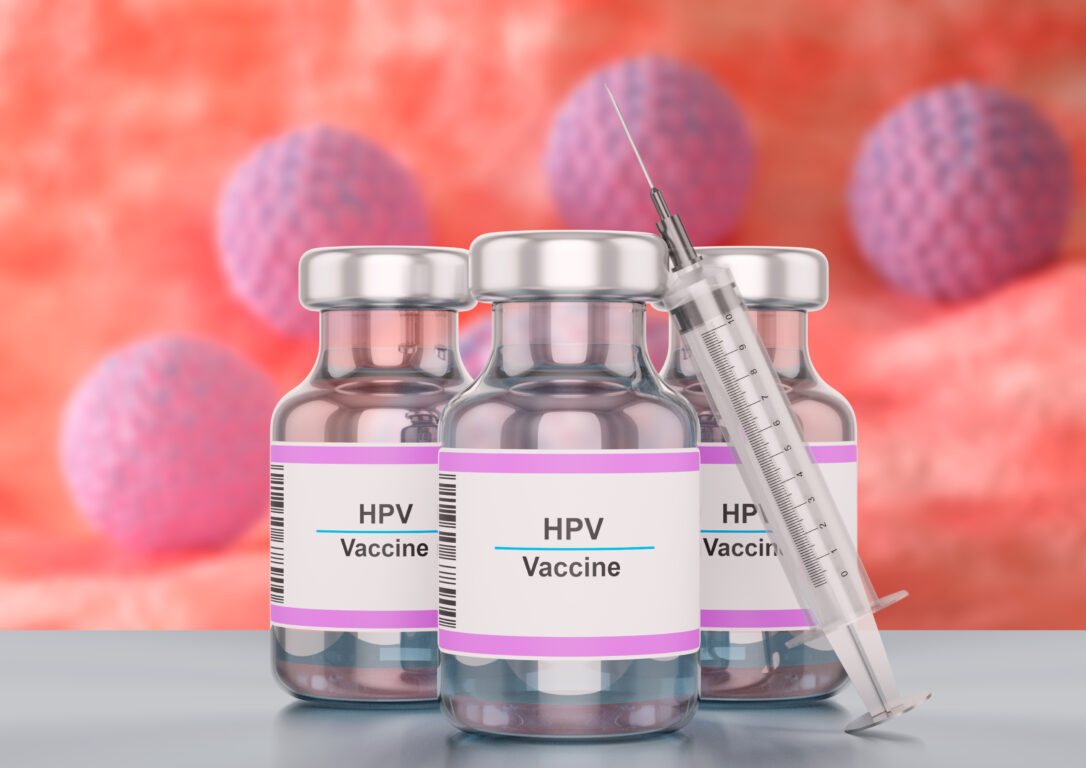
Kenya has taken a major step in fighting cervical cancer by adopting a single-dose human papillomavirus vaccine. The new plan, announced by the Ministry of Health, aims to increase vaccine coverage among girls and simplify the process for families. Health experts say the change is supported by strong research showing that one shot provides effective protection against HPV, the virus responsible for most cervical cancer cases.
For years, Kenya has faced low vaccination rates. Only six out of 10 girls have received the first dose, while fewer than four have completed the second. The ministry now hopes that by adopting a one-dose system, more girls will be protected, especially in rural and hard-to-reach areas where follow-up visits are difficult.
Health Director General Dr. Patrick Amoth said the new policy will make vaccines more accessible and reduce costs. The money saved, he added, will be redirected to other essential health programmes. The change, he said, is not just about convenience but about ensuring no girl is left behind in the country’s effort to eliminate cervical cancer by 2030.
The decision came after months of review by the Kenya National Immunisation Technical Advisory Group, working alongside local scientists and international experts. The shift also aligns with World Health Organisation guidance, which acknowledges the single dose as safe and effective.
Health officials say the change will not only increase efficiency but also strengthen public trust in the country’s vaccination programme. They are advocating for stronger partnerships between scientists, health workers, and the media to combat misinformation and help communities understand the importance of vaccines.
The HPV vaccine was first introduced in Kenya in 2019, targeting girls aged 9 to 14. Since then, the government has fought misinformation and social stigma that have slowed uptake. With the single-dose plan, officials believe the country can now overcome these barriers and boost protection for millions of young girls.
This marks a new chapter in Kenya’s public health journey. It demonstrates a clear commitment to evidence-based action, prudent investment, and safeguarding future generations from diseases that should no longer claim lives. The focus now is on reaching every part of the country and ensuring that every girl has access to a life-saving vaccine.
(Source: The Star)