

From Forecast to Action: Kenya Steps Up El Niño Preparedness
With above-normal rainfall expected during the October–December (OND) season, the government has shifted its focus from forecasting El Niño’s impacts above-normal rainfall expected during the October–December (OND) season. The government has shifted its focus from forecasting the impacts of El Niño to preparing for them.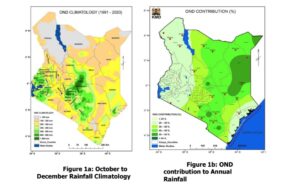 National and county agencies have begun implementing a coordinated contingency plan to reduce the disruption that often accompanies heavy rains, from flooding and damaged roads to displacement, disease outbreaks and interruptions to schools and businesses.
The latest measures, announced by the Ministry of Interior and National Administration, reflect lessons from previous El Niño seasons, when emergency response often followed disasters rather than anticipating them. The government will emphasise early intervention, stronger coordination and protecting vulnerable communities before the first major downpour.
A Seven-Point Preparedness Plan
At the heart of the government’s response is a National Contingency Plan built around seven priority interventions. Authorities have already completed hotspot mapping to identify counties and communities most vulnerable to flooding, landslides and transport disruptions. The exercise has enabled emergency agencies to prioritise evacuation planning and allocate resources to areas expected to experience the greatest impact.
The government has also identified road corridors and transport infrastructure likely to be affected across the North Eastern, Tana River, Coastal, Western/Nyanza, Rift Valley, Turkana, Nairobi, Central and Eastern regions, allowing agencies to strengthen monitoring and undertake preventive works before the rains intensify.
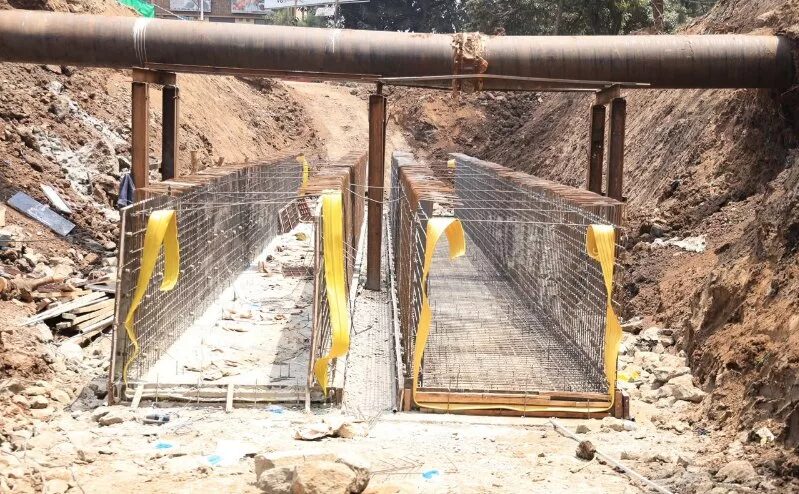
Meanwhile, drainage systems are being unclogged, culverts desilted and flood-prone waterways cleared in collaboration with agencies such as the Kenya Urban Roads Authority (KURA). Climate WorX teams are also supporting waste collection and drainage maintenance in urban areas where blocked waterways have previously worsened flooding.
Evacuations Before Emergencies
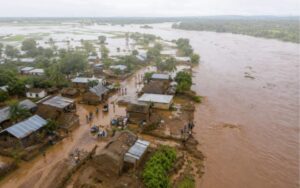
Perhaps the clearest indication of the government’s new approach is its decision to encourage early evacuations rather than waiting until flooding occurs. Communities living along riverbanks, riparian reserves, low-lying settlements, landslide-prone hillsides and other high-risk locations have been urged to relocate when advised by authorities. Temporary holding grounds have already been identified to accommodate families displaced by flooding or other weather-related emergencies.
Meanwhile, the authorities are keeping an eye on the water levels along the major rivers and dams in order to determine whether any communities will need early warning or evacuation. This change is based on a key lesson learned from past flood incidents: that early evacuation can greatly reduce the number of fatalities and help lessen the strain on emergency responders.
Strengthening Local Response
Readiness goes beyond infrastructure; the government states that community-level early warning systems are being enhanced via the use of chiefs, assistant chiefs and Nyumba Kumi structures so that information can get quickly to households. At the same time, public awareness campaigns are being increased in order to help communities know the actions they should take before, during and after heavy rainfall.
Emergency relief supplies including: food, medical supplies and essential non-food items are being pre-positioned in strategic locations, while rapid response teams remain on standby to undertake search and rescue operations, evacuation support and post-disaster assessments where necessary.
Coordination has also been expanded to include county governments, the Kenya Red Cross Society, the National Drought Management Authority (NDMA), security agencies and health workers, creating a multi-agency response framework intended to improve speed and effectiveness once the rains begin.
Protecting Critical Services
In addition to saving lives, the government is also trying to reduce disruption to important public services. Inspections are being carried out on roads, bridges and key utilities in areas prone to flooding to identify vulnerabilities before they become emergencies. Special attention is being paid to schools and centres where national examinations take place since authorities want to avoid the kind of disruption seen during earlier seasons of heavy rainfall. 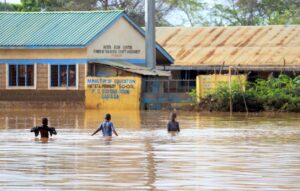
For businesses, the emphasis on preparedness is equally significant. Flooded transport corridors can interrupt supply chains, delay deliveries and affect access to markets, while damage to electricity, water and communication infrastructure can increase operational costs. Reducing those disruptions is therefore not only a humanitarian priority but also an economic one.
A Test of Preparedness
The most recent actions taken by the government indicate a deliberate move away from reactive disaster management and towards proactive risk reduction; hotspot mapping, better drainage, planning for early evacuation and coordinated emergency response all show that the approach this time is more structured than in the previous El Niño seasons.
Whether those preparations prove sufficient will depend on the intensity of the rains and, perhaps more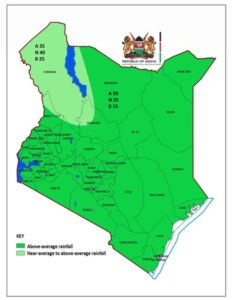 importantly, how effectively national agencies, county governments and local communities work together when the season begins.
The rains may be inevitable, but their impact need not be. By investing in preparedness before the first floods, Kenya hopes to ensure this El Niño season is remembered less for the disasters it causes and more for the resilience the country demonstrates.