

Drilling Dry: Turkana’s Oil Dilemma and the Mounting Ecological Risks
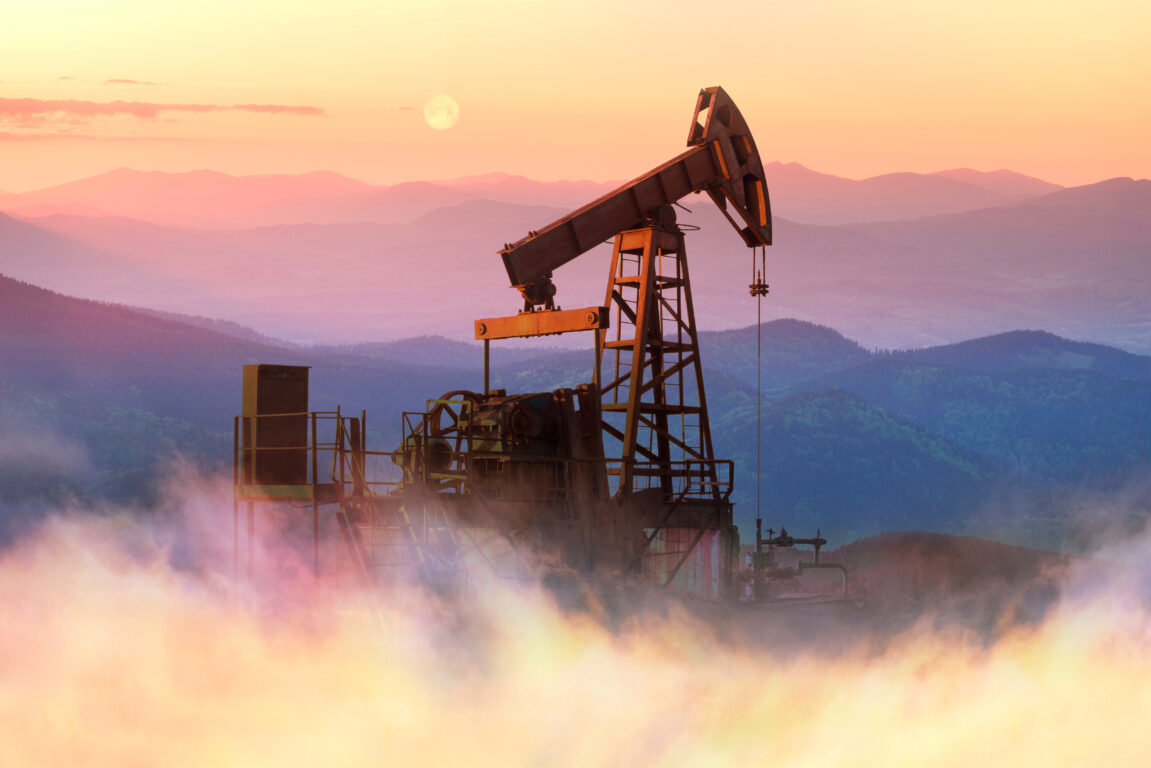
This past week, media platforms have been buzzing with news of the revival of the South Lokichar Basin Oil Drilling Project, with the awarding of the contract to Gulf Energy and its subsidiaries to start production as early as 2026, with general sentiment being both negative, positive, and neutral across most online conversations. The discussions mostly focused on revenue caps and tax exemptions, with minimal mention of the project’s environmental and community impacts.
Every community’s source of income must be safeguarded, and this remains true for the people of Turkana. For any pastoral community, its ecosystem is its primary means of livelihood. Without it, everything is lost, and this project endangers much of that. For example, infrastructure development – ranging from installing drilling equipment to setting up camp facilities and constructing access roads – tends to fragment habitats, alter landscapes, and degrade soils by disrupting their structure. This, in turn, affects grazing lands such as communal reserves, access for local communities, and migratory routes for wildlife.
Water is essential for any mining activity, particularly for drilling methods such as hydraulic fracturing used in Lokichar. Given that the area is arid, any disruption to the water supply or access, even minor, could have severe consequences for the region. This can happen by obstructing underground wells and dry riverbeds through infrastructure development, or through groundwater depletion, as these mining techniques require large amounts of water, which strains the already low water table.
Additionally, any mining activity produces large volumes of waste that, if not correctly disposed of, are hazardous to the environment. Wastewater is one, with the drilling process itself generating a significant amount, which, according to a 2022 study by Kenyatta University, was found to be improperly disposed of, posing a substantial threat to water wells near the lake through contaminated water tables. This ongoing obstruction and contamination affect and contribute to declining water levels, which could become a long-term problem in an already fragile ecosystem.
We cannot ignore the impacts of emissions from the drilling process, as well as from furnaces, vehicles, and dust, along with the production of large volumes of carbon dioxide and hydrocarbons observed near the oil fields. These may contribute to a rise in respiratory illnesses among local residents. Hazardous waste disposal is also a major concern, as it is the only way to mitigate its effects on the environment. Poor wastewater disposal methods and minimal investment in emission purification processes are key factors in waste pollution. This generally increases the area’s greenhouse gas emissions, significantly raising its carbon footprint and making it highly vulnerable to extreme heat and disrupted weather patterns.
Throughout all this, the socio-economic and socio-environmental impact shouldn’t be overlooked. This project directly affects livelihoods both positively and negatively. Even though job opportunities may arise from the revival of the project, the long-term effects on the communities’ economic resilience and their ability to sustain themselves are threatened, considering literacy levels and occupations of the local inhabitants, with issues like the loss of critical grazing lands, which are mostly communal, due to landscape deformation affecting livelihoods and sources of subsistence. Another problem is health issues caused by contaminated water sources or air, making the population highly vulnerable to disease and weakening their economic stability.
Turkana and its biodiversity are among the most sensitive ecosystems in the region. In an arid area bordered by different countries, managing it should be a major concern and priority. Although most drilling occurs inland in South Lokichar, some drilling blocks border the lake basin. Conservationists have warned that any long-term drilling poses a risk of polluting the lake’s inflow system, which would subsequently affect its aquatic and surrounding ecosystems. Increased noise and vibrations from drilling machines and infrastructure, as well as light pollution from camps and flares, disturb and displace wildlife, disrupting feeding, migration, and breeding patterns. Destruction of specific patches of vegetation and landscapes may also lead to a potential loss of local biodiversity.
As we seek ways to become energy-independent, provide cheaper energy, and improve living standards, let’s also discuss how we can achieve this. What are the long-term consequences? Are our actions and policies sufficiently future-proof? Let’s consider the best ways to grow while keeping sustainability in mind.