

Dr. Duncan Oburu Ojwang, Chairperson, IPOA
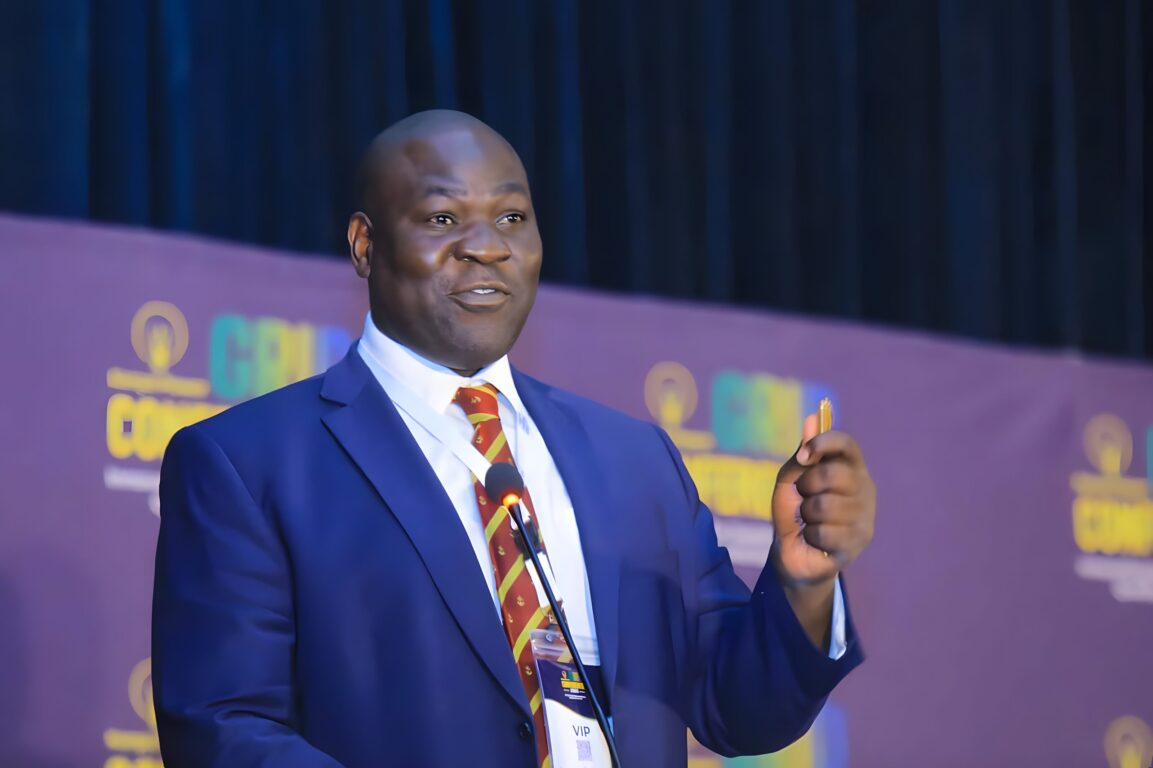
Dr. Duncan Oburu Ojwang was appointed Chairperson of the Independent Policing Oversight Authority (IPOA) for a six-year term effective 31 August 2026. Nominated by President William Ruto in July 2026 and subsequently approved by the National Assembly, Ojwang succeeds Justice Ahmed Issack Hassan, who left the position following his appointment to the Court of Appeal. As IPOA Chairperson, he is responsible for providing strategic leadership to the Authority as it investigates complaints against the National Police Service, promotes accountability, and strengthens public confidence in law enforcement.
Before assuming the role, Ojwang built a distinguished career spanning academia, legal practice, public policy, and governance. He served as Dean of the School of Law at Africa Nazarene University after years of teaching law there and at the University of Nairobi. His expertise includes constitutional law, human rights, environmental law, governance, and institutional reform. Beyond academia, he has contributed to electoral governance and public policy as an African Union election observer and as a member of the National Dialogue Committee (NADCO) technical team. During his parliamentary approval hearing, he pledged to uphold IPOA’s independence while strengthening constructive oversight of the National Police Service.
Ojwang’s academic journey reflects an international legal education focused on public law and governance. He earned a Bachelor of Arts in Psychology from Indiana University in 2006, followed by a Juris Doctor (J.D.) from Southern Illinois University in 2008. He then completed a Master of Laws (LL.M.) in Human Rights and International Law at Indiana University in 2011, before earning a Doctor of Philosophy (PhD) in Law and Policy from the University of Arizona in 2013. His academic work has centred on constitutional governance, human rights, environmental justice, and institutional reform.
Today, Dr. Ojwang assumes leadership of IPOA at a pivotal moment for policing and accountability in Kenya. As the country enters the build-up to the 2027 General Election, the Authority is expected to play a critical role in strengthening public confidence in police oversight, ensuring accountability in the use of force, and promoting constitutional policing during what is likely to be an increasingly active political period. His blend of academic scholarship, legal expertise, and public policy experience positions him to steer the Authority while reinforcing its independence and commitment to the rule of law.