

Demystifying Green Bonds and Loans: Funding a Greener Tomorrow
Climate change impacts in Kenya are increasingly tangible and immediate. Urban areas such as Nairobi face rising air pollution and traffic-related emissions, while recurrent droughts continue to disrupt agricultural production and livelihoods in rural regions. These realities demonstrate that climate change is no longer a distant concern but a pressing socio-economic and environmental challenge.
Within this context, the strategic use of finance is critical. Investment and borrowing decisions can be structured not only to generate financial returns but also to deliver environmental and climate benefits. Sustainable finance instruments provide mechanisms to redirect capital toward activities that support climate resilience, emissions reduction, and long-term development objectives. This is where instruments like green bonds and loans come into play.
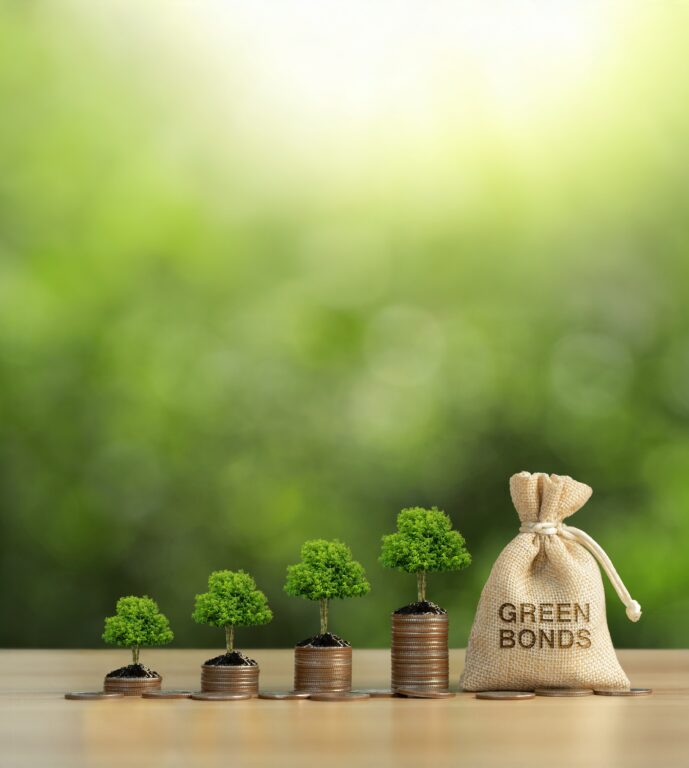
A green bond is a loan from investors to an organisation, such as a government, company, or developer. In return, they promise to repay the money with interest. The difference? The funds must go entirely to environmentally friendly projects. Think solar farms powering homes with clean energy, energy-efficient buildings that slash electricity use, electric buses reducing city pollution, or reforestation to combat soil erosion. These follow strict guidelines, such as the Green Bond Principles from the International Capital Markets Association, which ensure transparency: issuers report exactly how the money is spent and its impact.
Green bonds are often publicly sold to investors and, in some cases, listed on stock exchanges, enabling them to raise large sums for major initiatives. The market has grown hugely; outstanding green bonds surpassed $3 trillion by late 2025, showing strong demand for climate action.
Now, green loans are similar but more straightforward. Instead of tapping a broad investor pool, a company borrows directly from a bank or lender for green purposes. The money is ring-fenced for eco-projects, guided by the Green Loan Principles. Loans are usually private, smaller, and quicker to arrange, perfect for a business wanting to install solar panels on its roof or upgrade a factory to save water.
The main differences? Bonds are like a public fundraiser, on a bigger scale, with more investors, and are often traded. Loans are a direct chat with the bank, simpler, and more flexible for mid-sized needs. Both demand transparent reporting to avoid “greenwashing” (claiming green credentials without real impact).
Why do these matter so much? We’re facing a massive funding gap to meet climate goals, like those in the Paris Agreement. Traditional finance often ignores the environment, but green bonds and loans channel billions into solutions that cut emissions, boost renewables, and build resilience against floods or heatwaves. For issuers, they attract ethical investors, sometimes at lower costs, and burnish their reputation. For investors, including everyday people via pension funds or savings products, it’s a chance to earn returns while supporting positive change.
In Kenya and Africa, these tools are gaining traction. Acorn Holdings issued East Africa’s first certified green bond in 2019 to fund eco-friendly student housing in Nairobi, proving local players can meet global standards. Companies like Safaricom have secured sustainability-linked loans to shift to renewable energy. Globally, issuance remains robust, with green bonds funding everything from AI-driven, efficient data centres to clean water projects.
Of course, challenges exist; ensuring projects truly deliver benefits requires strong oversight. But overall, these instruments are a win: they blend profit with purpose, create green jobs, and help transition to a low-carbon economy.
In short, green bonds and loans make it easier for money to work for the planet. Whether you’re an investor, business owner, or just someone who cares about Kenya’s future, these tools let us all contribute. A cleaner, more resilient world isn’t a distant dream; it’s being financed right now, one green project at a time.