

Climate Change and Poor Drainage Drive Spike in Mosquito Numbers
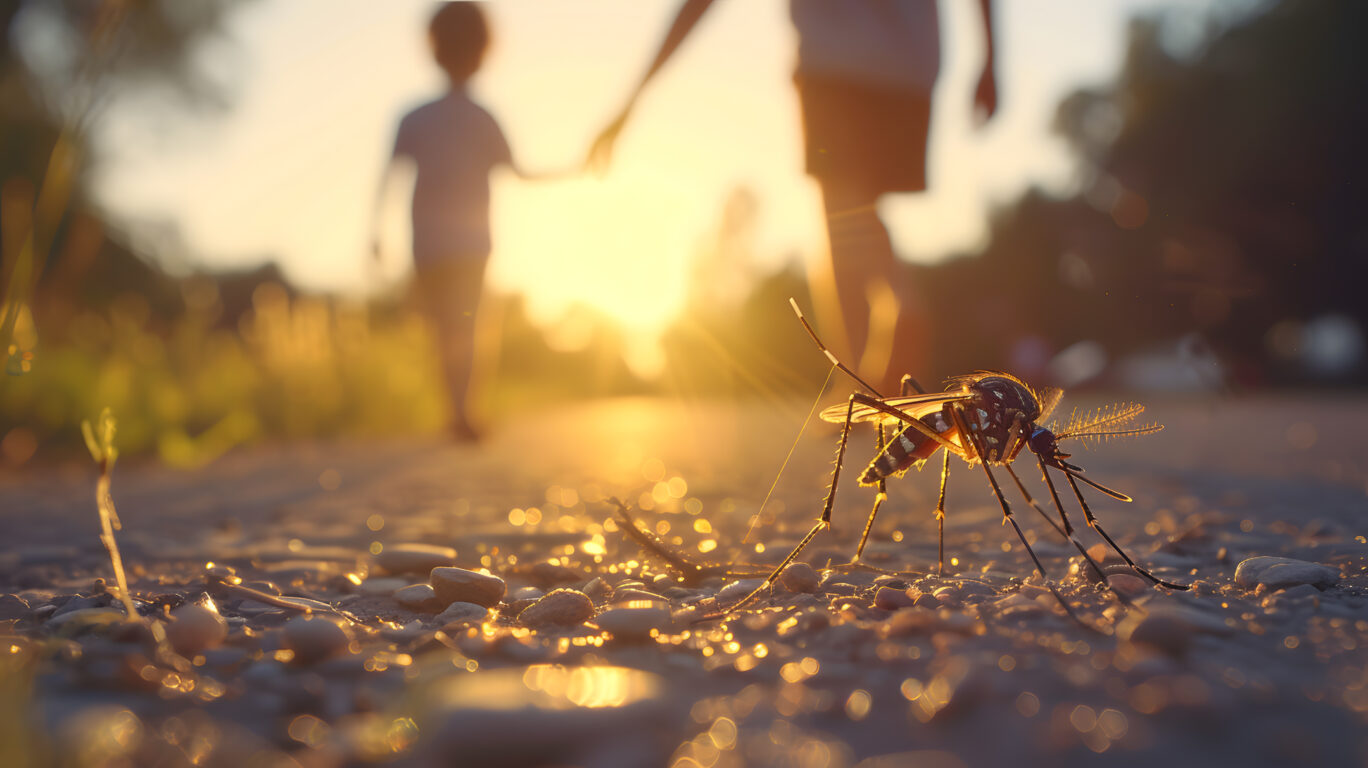
Scientists and public health experts are raising concerns over a steady rise in mosquito populations across several urban centres, attributing the surge to a combination of climate change, environmental degradation, and rapid urbanisation. Warmer temperatures and shifting rainfall patterns have created favourable breeding conditions, allowing mosquito species to multiply faster and survive longer. Increased heat shortens the mosquito life cycle, accelerating reproduction, while intermittent heavy rains leave behind stagnant water that serves as ideal breeding grounds.
Urban growth has compounded the problem. Poor drainage systems, blocked sewer lines, unmanaged waste, and water storage practices in densely populated areas have created countless micro-habitats where mosquitoes can thrive. Construction sites, discarded containers, clogged gutters, and open water tanks are increasingly becoming breeding hotspots, particularly in informal settlements where sanitation infrastructure is limited.
Health experts warn that the spike in mosquito numbers heightens the risk of mosquito-borne diseases such as malaria, dengue, and chikungunya. Some species are also expanding into areas previously less affected, raising fears of broader transmission patterns. The combination of environmental and climatic shifts means outbreaks could become more frequent if mitigation measures are not strengthened.
Authorities are urging sustained preventive action, including improved waste management, elimination of stagnant water, use of treated mosquito nets, indoor residual spraying and heightened public awareness. Experts emphasise that without coordinated environmental management and public health interventions, the “buzzing crisis” could evolve into a broader health challenge in the coming years.
(Source: Daily Nation)