

Beyond Borders: Kenya’s Expanding Military Footprint and the Question of Global Positioning
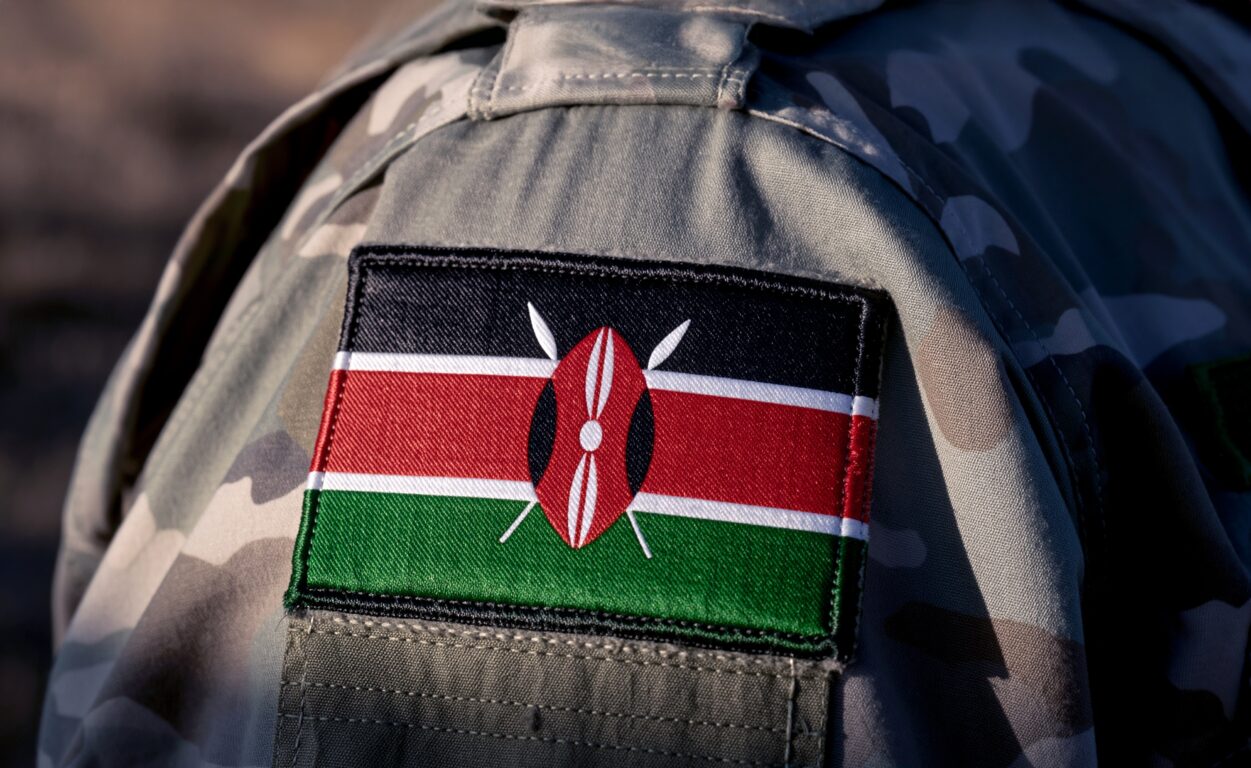
Recent reports indicate that several former members of the Kenya Defence Forces (KDF) have participated in Russia’s invasion of Ukraine. This development provides an unexpected dimension to Kenya’s evolving foreign policy narrative.
These individuals are no longer active military personnel, and there is no evidence that their actions represent Kenya’s official policy. Nevertheless, the timing is significant, as Kenya is currently in the global spotlight for leading the United Nations-backed security mission in Haiti.
Collectively, these developments prompt a wider inquiry: How is Kenya’s role in international security evolving, and what strategies are most effective for guiding this transformation?
From Regional Peacekeeper to Global Security Actor
Kenya has long helped maintain peace and stability in the region. Sending troops to Haiti is a major step forward, showing Kenya’s readiness to assume security leadership beyond Africa and its aim to be seen as a steady partner in global efforts.
Kenya’s mission in Haiti went beyond military deployment; it also served to showcase the country’s diplomatic capabilities. This initiative underscored Kenya’s status as a responsible participant in international organisations and in line with its objective to improve its worldwide presence.
Consequently, the country’s military engagements have grown integral to its foreign identity.
The Complication of Unofficial Participation
The involvement of former Kenyan soldiers in the Russia–Ukraine conflict adds further complexity. These individuals, now private citizens, act independently and do not represent Kenya’s official policy.
In today’s divided world, subtle differences are often missed, and opinions can form before all the facts are known. When Kenyan nationals are seen in major conflicts, it draws attention, even if there is a legal difference between official missions and private actions.
This situation shows how foreign policy and national reputation are closely linked.
Managing Perception in a Fragmented World
Kenya has regularly sought to maintain a balanced position in major international disputes, such as the Russia–Ukraine war. Its approach stresses dialogue, respect for sovereignty, and multilateral engagement rather than alignment with specific blocs.
The independent actions of former military officers do not alter Kenya’s official position. However, such developments complicate the country’s reputation. In an environment formed by sanctions and global competition, perceptions are highly consequential.
To be recognised as a principled peacekeeper and diplomatic actor, Kenya must communicate its positions with clarity. The distinction between official missions and private actions should be consistently articulated and reinforced.
Why this Matters Beyond Defence Policy
Initially, these developments may appear limited to defence or foreign affairs. However, Kenya’s international image has greater implications.
For investors and multinational companies in Kenya, how the world sees the country affects how they judge risk. They look at political stability, foreign policy, and reputation before investing. Even if policies do not change, uncertainty can make them more cautious.
Banks, consumer brands, and telecommunications firms are particularly sensitive to international scrutiny. With the prevalence of Environmental, Social and Governance (ESG) regulations, sanctions, and reputational assessments, companies frequently respond to overall perceptions rather than nuanced details.
Even though immediate business challenges may not arise, clear and consistent foreign policy communication is important for effective economic management.
Trade Diplomacy and International Relationships
Kenya’s economy is deeply integrated with global markets, engaging with Western nations, emerging powers, and international organisations. Upholding a moderate approach has been central to its trade strategy.
As Kenya increases its involvement in international security, the consistency of its foreign messaging becomes even more critical. Official missions, such as the deployment to Haiti, can enhance Kenya’s credibility and leadership. However, the growing trend of former soldiers seeking employment abroad introduces new challenges which call for careful management. The primary concern is not the legality of distinct actions, but the consistency between Kenya’s conduct and its official messaging.

The Globalisation of Military Labour
Kenya is not unique in this regard. Globally, former military personnel from various countries pursue security roles, private contracts, and positions in conflict zones. As military training standards rise, these skills become increasingly transferable.
For Kenya, whose defence forces are internationally respected, this global employability provides both opportunities and risks. While it demonstrates professionalism, veterans’ actions could also influence the nation’s image.
The central policy issue is not the permissibility of post-service employment abroad, but whether Kenya possesses adequate processes to manage the resulting diplomatic and reputational implications.
Strategic Clarity in a Changing Environment
These developments do not indicate a fundamental shift in Kenya’s foreign policy. Kenya remains a respected partner in peace initiatives and continues to serve as a balancing force in its region.
However, as Kenya’s military presence becomes more visible through both official and unofficial means, the need for a clear strategy grows stronger.
A key question arises: Is Kenya actively building a global security role through international cooperation, or is its military presence abroad growing without a clear plan? The distinction between these two trajectories is nuanced yet highly consequential.
The Question Ahead
Ultimately, the issue centres less on individual participation in foreign conflicts and more on how Kenya manages and defends its international image.
Contemporary foreign policy surpasses official declarations; it is equally formed by external perceptions, prevailing narratives, and the tangible effects of national actions.
As Kenya takes on a bigger role in global affairs, from Haiti to other security efforts, the main challenge is not just about operations but also about reputation. Kenya’s global standing will depend on clear communication, strong policies, and making sure its actions match its stated goals.