

After the Floods, Then What? Rethinking Climate Resilience in East Africa
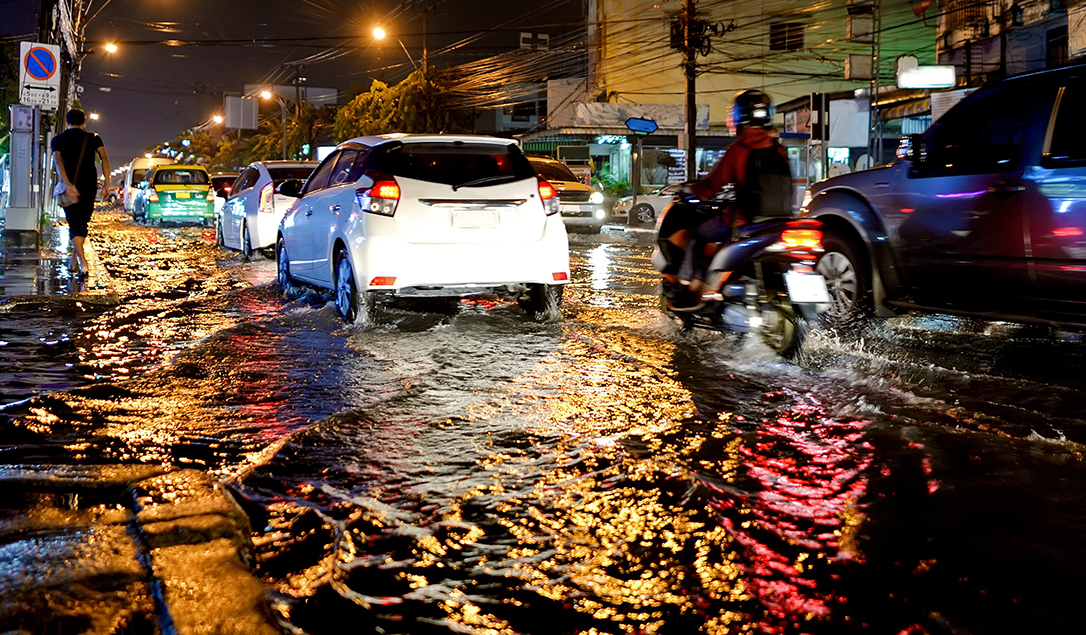
The recent rains that swept across East Africa returned with renewed intensity. Riverbanks overflowed, and poor drainage caused flooding throughout the region. The torrential rains have resulted in the loss of personal belongings, businesses, and lives.
From coastal towns to inland farming areas, these flooding episodes are not just ordinary weather events; they signify that the situation is becoming increasingly urgent and persistent. There has been a shift in the rhythm of our climate system, and we are unprepared.
Heavy rains have repeatedly overwhelmed drainage systems, displaced households, disrupted livelihoods, and, in severe cases, caused fatalities. Roads in urban areas have been transformed into makeshift canals, and people have had to swim through murky waters to reach their destinations. Food security faces threats from crop failures and soil erosion in rural areas, which are also affected by these issues. Health risks, including waterborne and vector-borne diseases, become more prevalent, the already fragile economic gains are compromised, and the human toll extends beyond immediate destruction. The unpredictability of rainfall patterns is shifting from a periodic nuisance to a fundamental concern for a country that largely relies on rain-fed agriculture.
Similar incidents occurred in Tanzania. Homes and infrastructure have been flooded, especially in low-lying areas and rapidly growing urban centres. Farmers who relied on somewhat predictable planting seasons now face the dual unpredictability of delayed rains followed by heavy downpours. As a result, a cycle of damaging flooding alternates with drought stress. Planning for national development becomes more challenging due to this climatic whiplash, which also strains disaster response systems and highlights the close link between environmental stability and economic resilience.
Scientists and policy experts are increasingly identifying climate change as a major factor exacerbating these extremes. Warmer air temperatures allow the air to hold more moisture, which causes storms to produce more rainfall. In the meantime, the natural ability of our landscapes to absorb excess water has been diminished by land-use changes
Such as deforestation, wetland encroachment, and uncontrolled urban expansion, which are extremely widespread in East Africa. Therefore, flooding is a story about how human systems have altered biological buffers over time, as well as a story of rising rainfall intensity.
With all this disruption, there lies an opportunity for transformation. As East African countries begin to integrate climate adaptation into their national policies, we are investing in early warning systems, resilient infrastructure, and sustainable land management practices. Although the progress faces various institutional and governance barriers, as is common, the time to act is yesterday. If we cannot prevent it, we should adapt and improve our bounce-back to avoid further losses.
Ultimately, the flooding crises unfolding across East Africa remind us that climate change is not an abstract future risk. It is a lived-present reality shaping our daily routines, economic prospects and social well-being. Addressing it will require more than emergency responses. We need a deliberate transition toward climate-resilient development, where urban planning respects natural drainage patterns, agriculture embraces climate-smart techniques, and environmental stewardship becomes a shared societal priority. These events convey a quiet message that sustainability is no longer optional but the key to our survival and a secure future.