

A Future Without Plastic Pollution
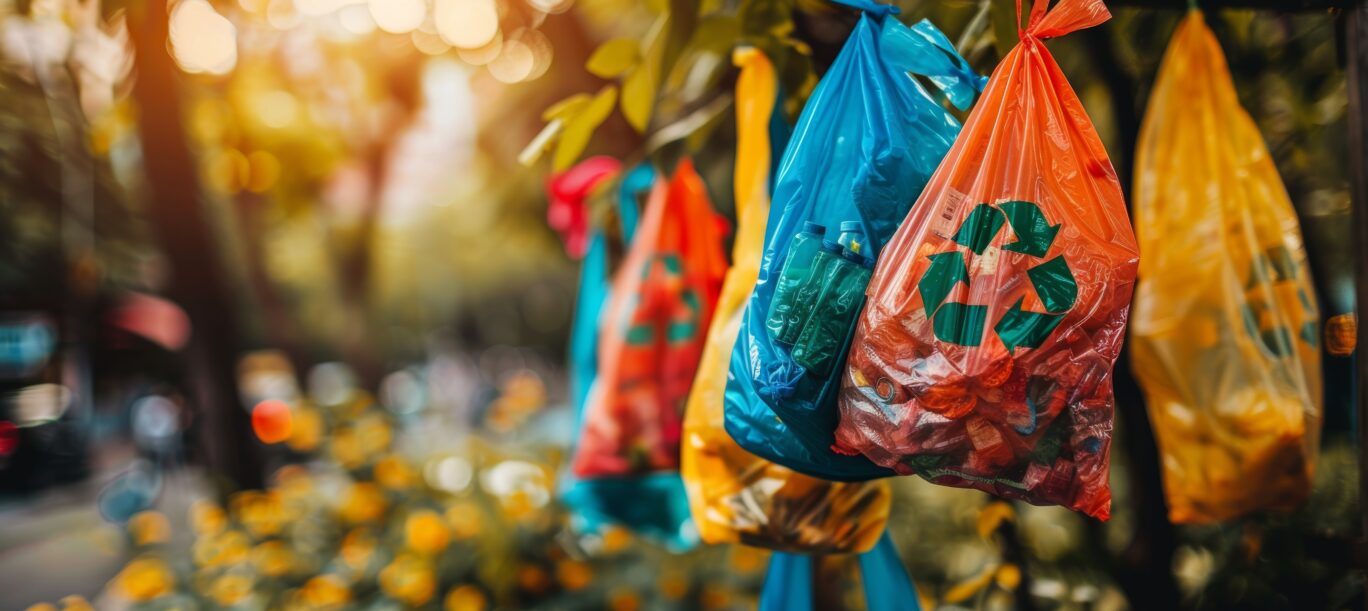
Plastics are everywhere – in the packaging that protects our food, in the clothes we wear, and in the products we use daily. Their strength and durability, once seen as virtues, have become one of the most stubborn environmental challenges of our time. From the beaches of Mombasa to the coral reefs off Zanzibar, discarded plastics are a pervasive threat to marine life, livelihoods, and ecosystems. But what if plastics could be designed so they don’t persist forever? What if they disappear when they reach the ocean?
In a breakthrough that could redefine how we think about materials, scientists in Japan have developed a new type of plastic that dissolves in saltwater within hours. Crucially, it does so without leaving behind harmful microplastics. This innovation, led by chemist Takuzo Aida at the RIKEN Centre for Emergent Matter Science in collaboration with the University of Tokyo, addresses one of the most vexing problems of modern waste: plastics that break down into tiny fragments that continue to pollute water and enter the food chain.
Unlike conventional plastics we are used to seeing, which are built to last and can take centuries to decompose, this new material behaves like a regular plastic during use but rapidly transforms when exposed to salt in seawater. The key lies in its molecular structure: the plastic is held together by reversible “salt bridges” created from two ionic compounds. In everyday conditions, these bridges keep the material strong and functional. But when plastic enters a saltwater environment, it breaks down into its original building blocks, which can be further processed by naturally occurring bacteria.
In lab tests, researchers observed a small piece of the material completely vanish in saltwater after just a couple of hours, a stark contrast to today’s plastics, which can linger in the environment for countless generations. Even in salty soils, on land, the plastic fully decomposed in under 10 days in trials. Importantly, this dissolution leaves no trace of microplastics, addressing a major concern for environmental scientists and ocean advocates.
This invention is not just a scientific curiosity; it could be a game-changer for how corporations and governments approach plastic use and waste management. Much of the world’s plastic pollution enters the oceans via rivers and coastal cities, including those in East Africa. The United Nations Environment Programme (UNEP) has warned that plastic waste could triple by 2040, adding tens of millions of tonnes to marine pollution annually if current trends continue.
For us, where single-use plastics have long posed environmental and economic problems, this research points toward a future in which materials are designed for planned disappearance in nature itself. We have already taken regulatory steps to manage waste more sustainably and demonstrated how policy can reinforce innovation through measures like banning single-use plastics. Still, technological breakthroughs like saltwater-soluble plastics could accelerate progress by offering real alternatives to fossil-fuel-based plastics.
Corporations, too, are watching closely. Industries that rely heavily on plastic packaging are under increasing pressure from consumers and regulators to reduce their environmental footprint. A plastic that maintains performance but dissolves harmlessly in the ocean could redefine supply chains and open the door to truly circular materials.
There are still challenges before such plastics become widespread. At the moment, the material is still in the research phase, with scientists working on practical concerns like coatings that protect the plastic until its useful life ends and scalable manufacturing techniques. But the level of interest from industry and environmental advocates suggests that this type of innovation could soon move from the lab to real-world use.
Beyond the science, this breakthrough offers a powerful lesson: sustainability isn’t simply about reducing harm; it’s about rethinking materials at their core. For East Africa, which has one of the fastest-growing youth populations and dynamic entrepreneurial ecosystems, innovations like this could inspire new local solutions: from biodegradable fishing gear that protects marine biodiversity, to packaging that harmlessly dissolves after.