

Middle East Tension Frustrates CBK’s Push for Cheaper Loans
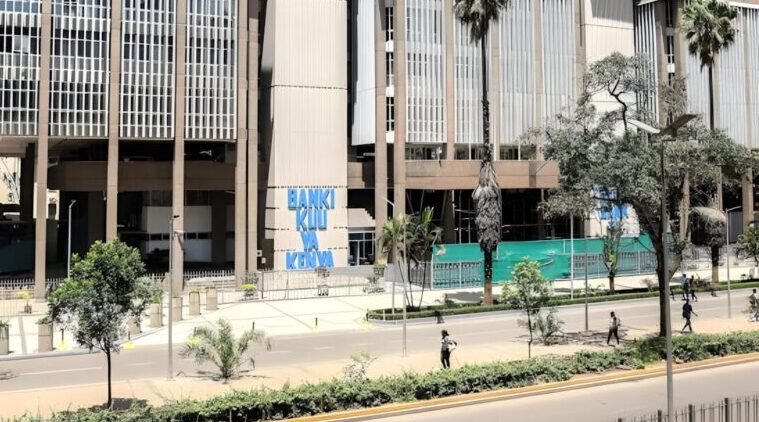
Kenyan borrowers hoping for cheaper credit face a longer wait after the Central Bank of Kenya (CBK) paused its rate-cutting cycle, citing the escalating Middle East conflict as a threat to domestic price stability.
The Monetary Policy Committee (MPC) held the Central Bank Rate (CBR) at 8.75%, freezing a series of benchmark rate cuts intended to stimulate business borrowing. While local economic fundamentals remain stable, external supply shocks have forced policymakers into a defensive stance.
Key factors driving the decision include:
- Surging Energy Costs: The Middle East conflict has disrupted key maritime routes, driving up global crude oil prices and international freight charges.
- Imported Inflation Risk: As a net oil importer, Kenya faces immediate upward pressure on transport, manufacturing, and food production costs whenever global energy prices spike.
- Currency Volatility: Heightened geopolitical risks prompt global investors to flock to safe-haven currencies, putting pressure on emerging-market currencies in foreign exchange markets.
For consumers and small businesses, the pause means that commercial banks will keep interest rates elevated, currently averaging 14.3% to 14.7%. High borrowing costs continue to strain cash flows and constrain business expansion, keeping non-performing loans in the banking sector near 14.6%.
Although Kenya’s foreign exchange reserves provide roughly six months’ import cover, offering a crucial cushion against commodity price shocks, the CBK has signalled that further monetary easing will remain on hold until global supply chains stabilise. Borrowers are advised to prioritise debt restructuring and strict cash-flow management until local lending rates resume their downward trend.