
Today is Mon, 22 Jun 2026


Executive Walkway![]()
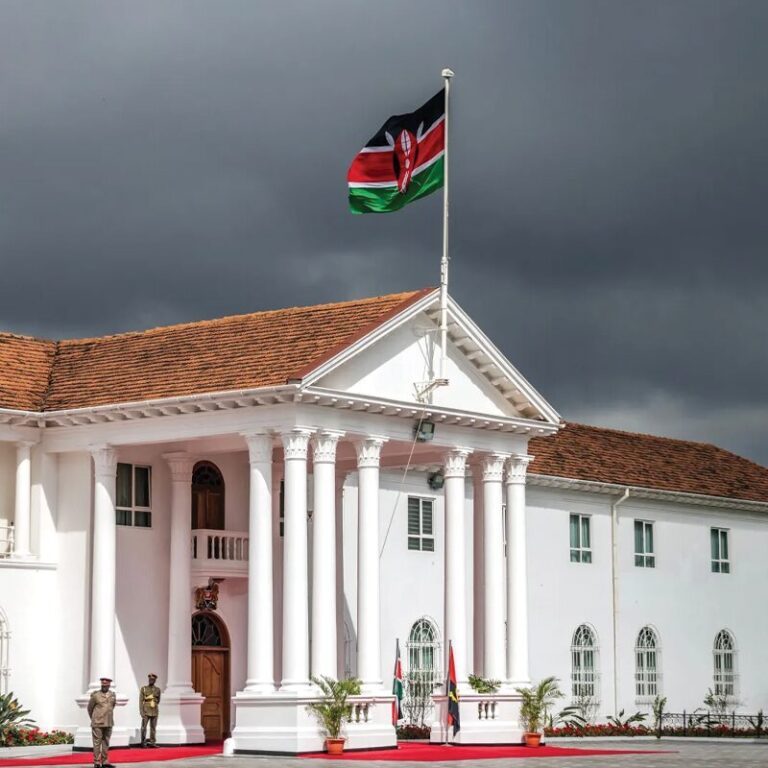
All Eyes on State House as Finance Bill 2026 Awaits Presidential Assent
Following its passage through Parliament, the Finance Bill, 2026, now awaits President William Ruto’s signature, with assent expected on 22–23 June 2026. The move will formally activate the government’s revenue strategy for the coming financial year and set the tone for fiscal policy implementation. The Bill outlines the government’s revenue-raising measures for FY 2026/27. It is one of the most consequential pieces of legislation in the fiscal calendar, shaping how the government finances its budget and delivers on its policy priorities.
Parliamentary Aisle![]()

Invitation to Submit Memoranda in the Matter of Consideration by the National Assembly of: (1) The Architects Bill (National Assembly Bill No. 3 of 2026) and (2) The Trust Administration Bill (National Assembly Bill No. 29 of 2026)
The National Assembly has invited public submissions on two proposed pieces of legislation: the Architects Bill, 2026, and the Trust Administration Bill, 2026. This signals the next phase of parliamentary scrutiny before the Bills advance through the legislative process. The Architects Bill seeks to modernise the regulation of architectural practice through a framework for the training, registration, licensing, and professional oversight of architects and architectural technicians. Meanwhile, the Trust Administration Bill proposes a comprehensive overhaul of Kenya’s trust law by repealing and replacing existing legislation, introducing new provisions on trust formation, registration, beneficial ownership disclosure, trustee responsibilities, and regulatory oversight. Stakeholders and members of the public have until 2 July 2026 to submit memoranda to Parliament, underscoring the growing emphasis on public participation in shaping legislation with implications for professional practice, governance, and transparency.
Corridors ofJustice![]()
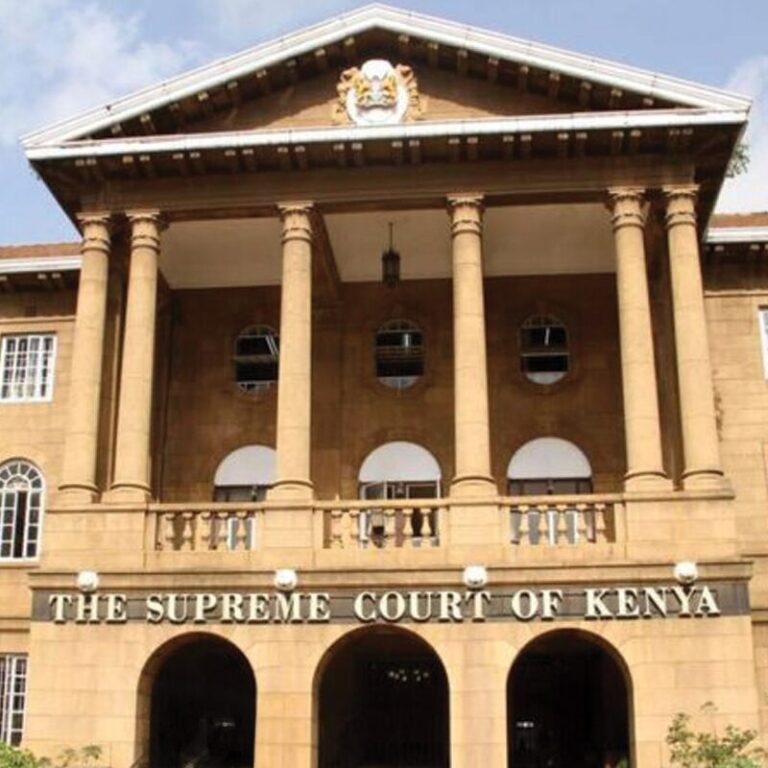
Supreme Court Set to Hear Multi-Billion Shilling Nguruman Land Dispute
The Supreme Court is set to consider SCPT/E015/2025: State Law Office v Nguruman Limited, a high-stakes appeal arising from a long-running dispute over approximately 26,993 hectares (66,700 acres) of land in Narok County. At the centre of the case is whether the State can be held liable for failing to prevent the invasion and occupation of private land by third parties, and whether that failure amounted to a violation of the constitutional right to property under Article 40. The appeal follows a Court of Appeal decision that upheld liability against the State and awarded Nguruman Limited compensation exceeding KSh17 billion for the loss of land and destruction of property.
Beyond the substantial financial implications, the case raises important constitutional questions on the role of the police during evictions, the extent of the State’s duty to protect private property, and whether government inaction can amount to “constructive deprivation” of property rights. The Supreme Court’s eventual determination is expected to clarify the boundaries among private property protection, land occupation disputes, and State responsibility, potentially setting a significant precedent for future land and compensation claims across the country. It is coming up for mention on Friday, 26th June 2026.
Talking of Which![]()
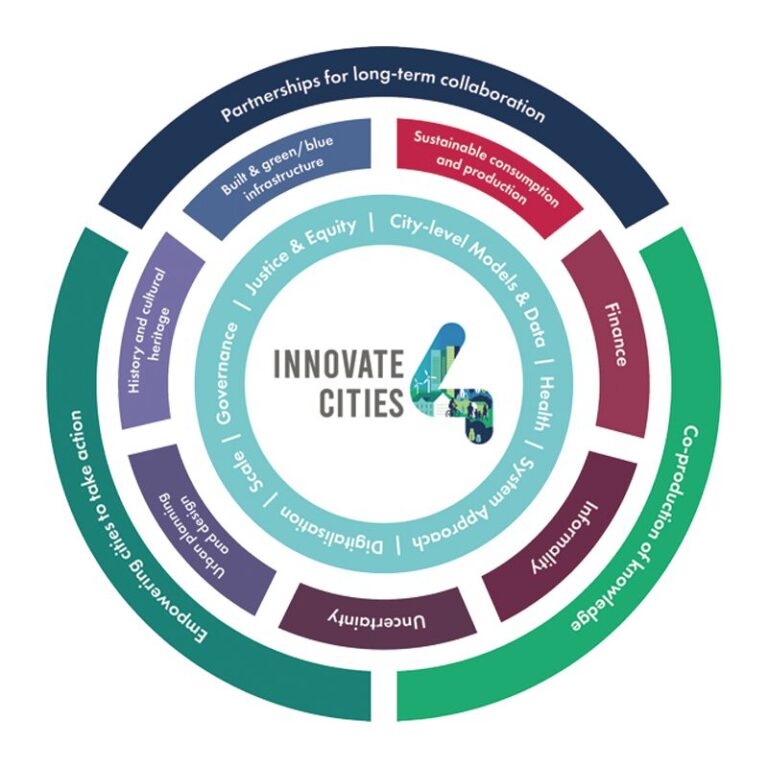
Innovate4Cities Conference 2026 (I4C26)
Nairobi will take centre stage in the global climate and urban development conversation from 21–24 June 2026 as it hosts the Innovate4Cities Conference (I4C26) at the UN-Habitat Headquarters. Co-hosted by UN-Habitat and the Global Covenant of Mayors for Climate and Energy, the conference marks the first time the event is being held in Africa. It brings together city leaders, policymakers, researchers, civil society organisations, and private-sector innovators to explore solutions for sustainable urban development. Discussions are expected to focus on climate adaptation, urban resilience, green infrastructure, data-driven city planning, and financing mechanisms for sustainable development.
Watch out for![]()

Africa Internet Summit 2026 (AIS’26)
Africa’s internet governance and digital infrastructure community will converge in Nairobi from 22–26 June 2026 for the Africa Internet Summit (AIS’26), one of the continent’s premier gatherings on internet development, connectivity, and digital policy. The event will bring together policymakers, regulators, network operators, technical experts, technology companies, and international internet governance organisations to discuss the future of Africa’s digital ecosystem. As African governments accelerate digital transformation agendas and expand access to online services, AIS’26 is expected to spark important discussions on internet resilience, cybersecurity, digital inclusion, internet governance, IPv6 adoption, and the growth of Africa’s digital economy.
MovingUp![]()
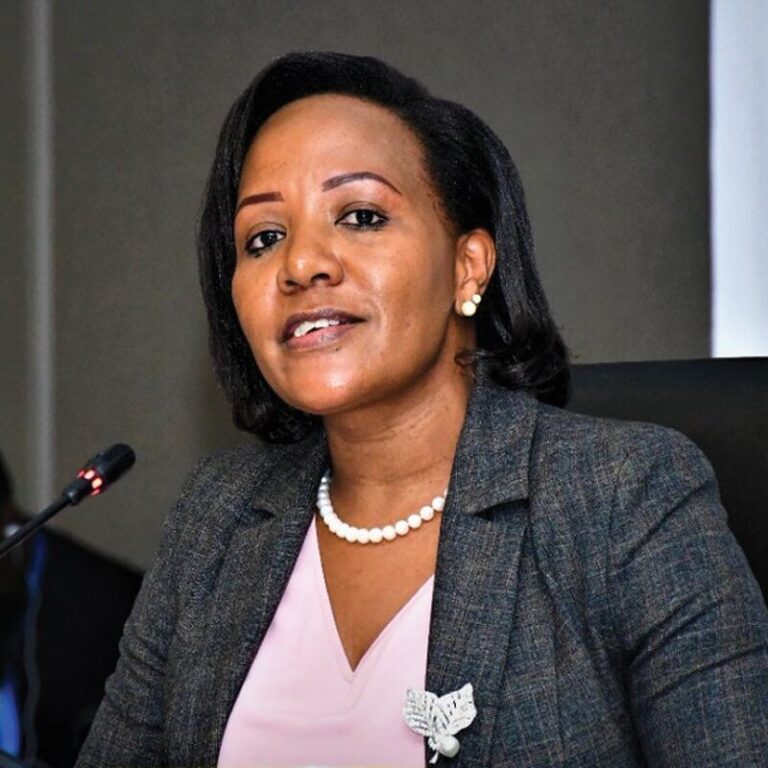
Naisiae Paloshe Tobiko, CEO, Commission on Administrative Justice
Naisiae Paloshe Tobiko has been appointed Chief Executive Officer of the Commission on Administrative Justice, taking over leadership of the constitutional commission responsible for promoting administrative justice and protecting citizens from maladministration in public institutions. She assumes the role at a time when demand for transparent, responsive, and citizen-centred public service delivery continues to grow across government institutions.
Tobiko brings more than 15 years’ experience in governance, electoral management, and public administration. Prior to her appointment, she held several senior positions at the Independent Electoral and Boundaries Commission (IEBC), including County Elections Manager, Manager of Commission Services, Manager of Field Services, Constituency Elections Coordinator, and Office Executive to the Chairperson. In these roles, she developed extensive experience in institutional leadership, stakeholder management, and public service administration. Her appointment signals confidence in her ability to strengthen the Ombudsman’s role as a bridge between citizens and public institutions, while advancing accountability and responsive service delivery across government. As she assumes the CEO role, she is expected to focus on enhancing complaint-resolution mechanisms, deepening public awareness of administrative justice, and strengthening the Commission’s capacity to hold public institutions accountable while improving the citizen experience.